


Introduction
When choosing a 3D Fence, panel size is one of the first things buyers need to consider. Height affects perimeter protection, width influences installation efficiency, and mesh opening plays a role in visibility and security.
For distributors, contractors, and project engineers, choosing the right specifications can also help control material costs and avoid installation problems.
So, what are the common 3D Fence panel sizes, and how do you choose the right combination for your project? Let's break it down.
1. What Is a 3D Fence Panel?
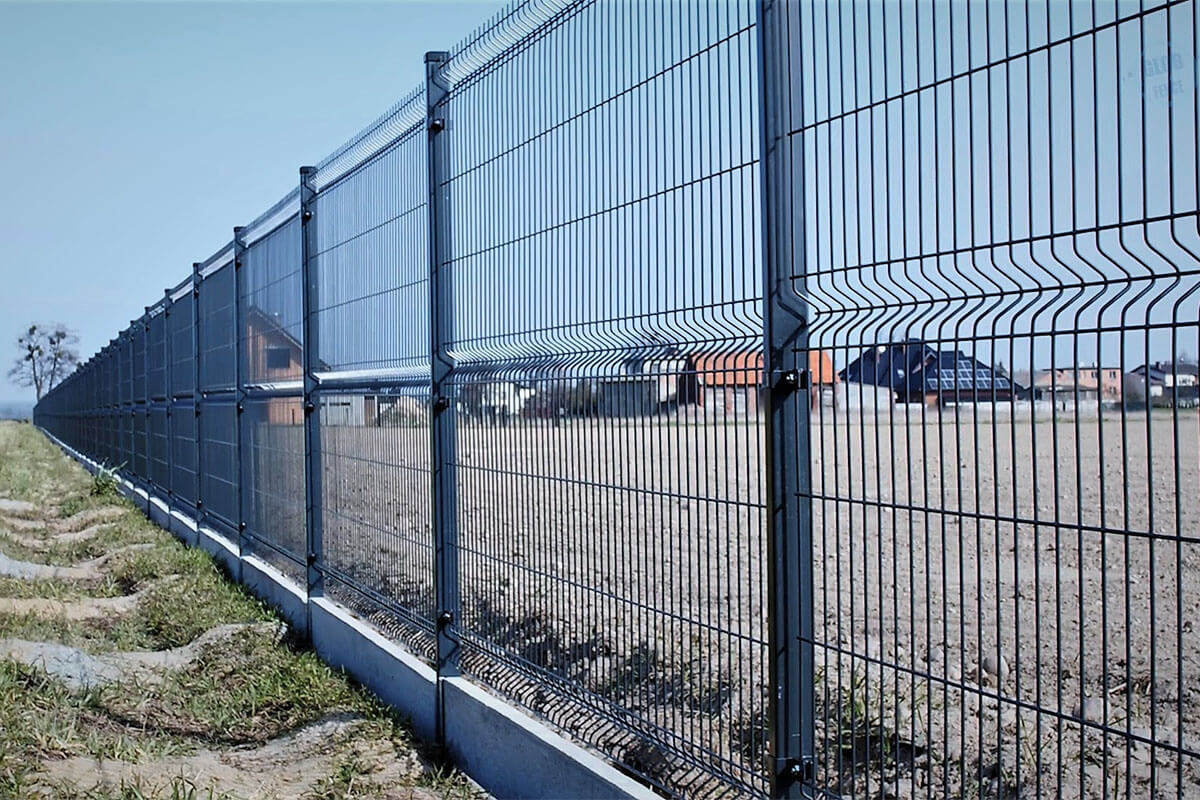
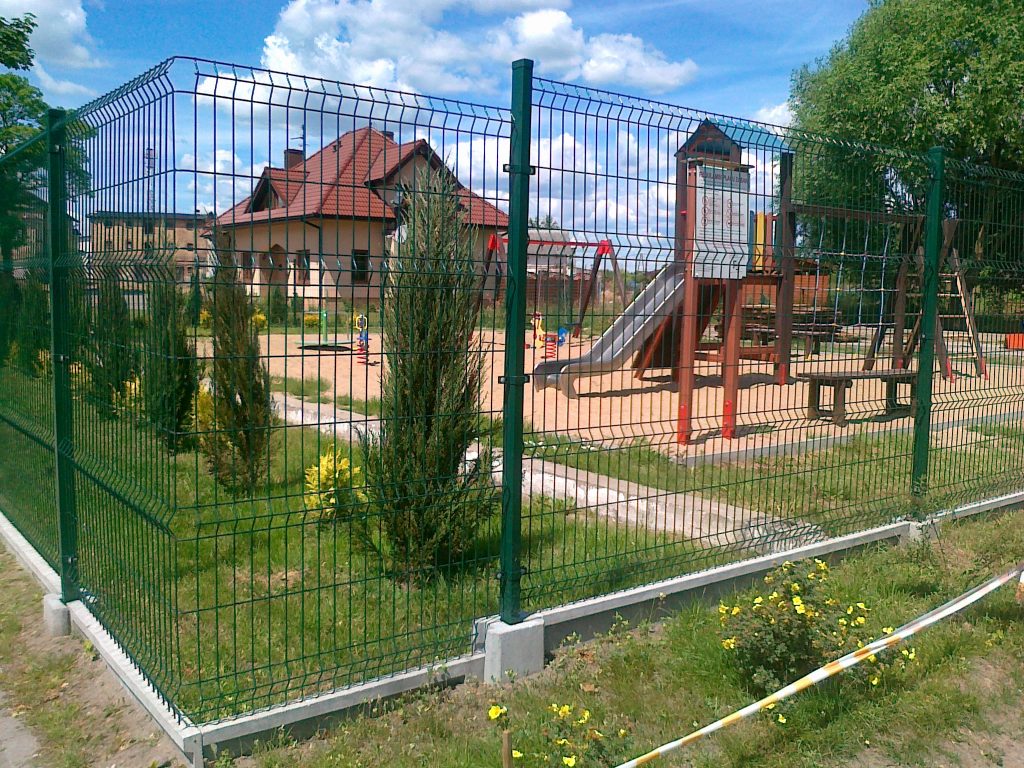
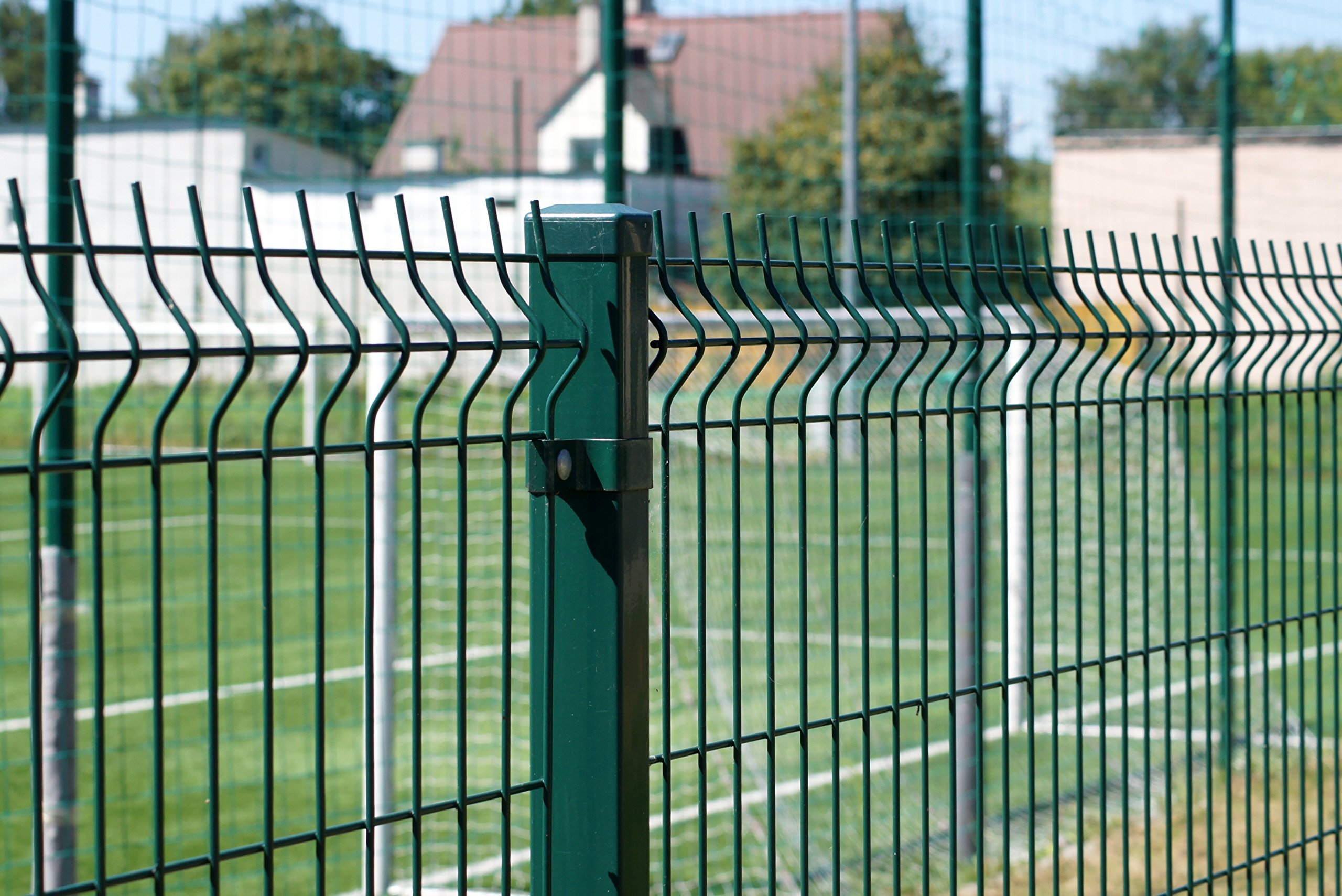
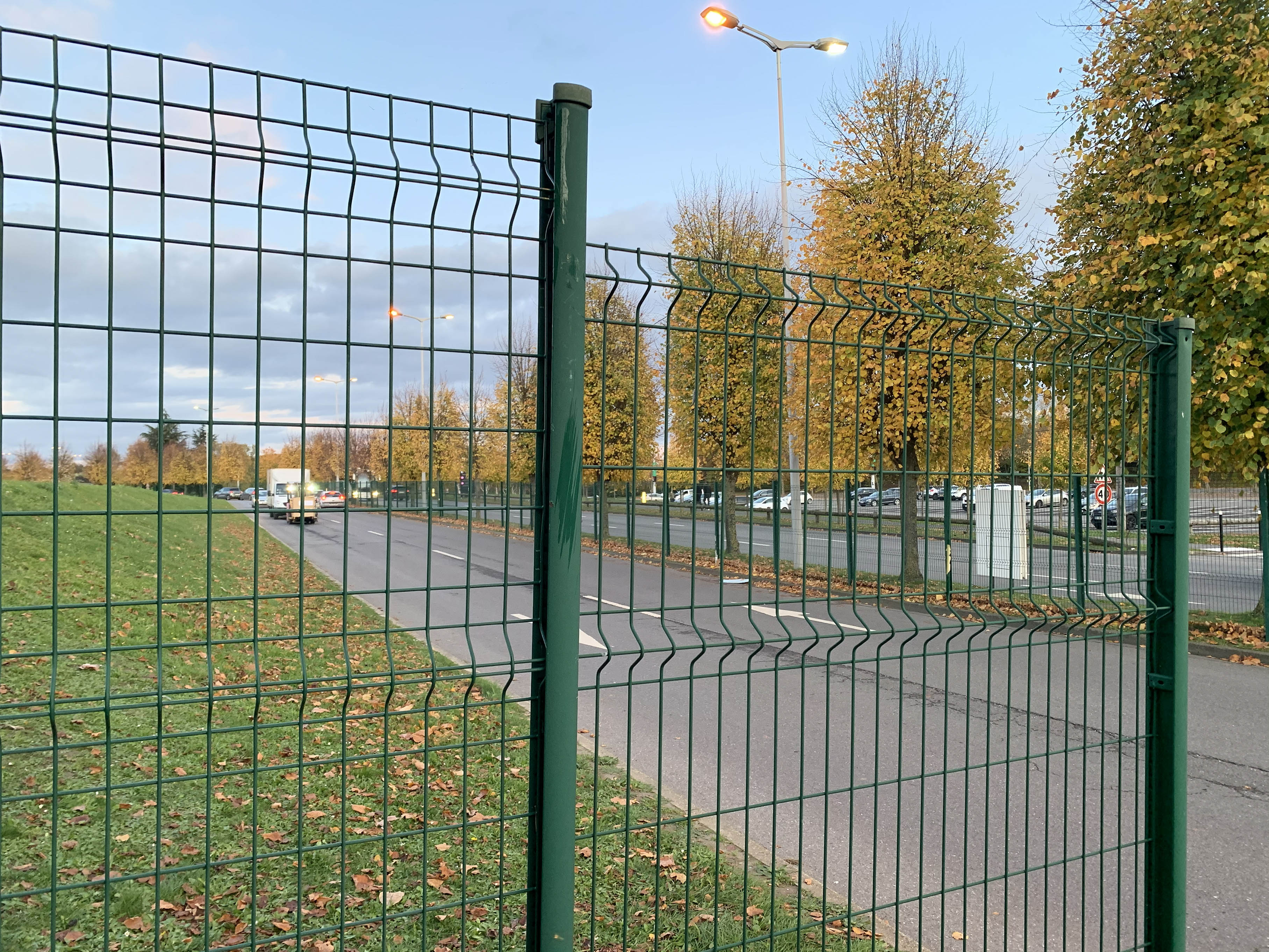
A 3D Fence, also known as a V-bend fence, is a welded wire mesh panel featuring horizontal V-shaped bends. These bends increase panel rigidity compared with a similar flat mesh panel and give the fence its recognizable appearance.
A typical system includes welded mesh panels, steel posts, fixing accessories, and a protective coating.
3D Fence panels are widely used for residential communities, commercial properties, industrial facilities, and public areas where visibility and perimeter protection are required.
2. Common 3D Fence Panel Heights and Widths
Panel dimensions vary depending on the market, manufacturer, and application. The following sizes are commonly encountered in the fencing industry.
|
Specification |
Common Options |
|
Panel height |
1,030–2,430 mm |
|
Panel width |
2,000 / 2,500 / 3,000 mm |
|
Mesh opening |
50 × 100 / 50 × 150 / 50 × 200 mm |
|
Wire diameter |
4.0 / 4.5 / 5.0 mm |
|
V-bends |
Number varies with panel height |
These are illustrative industry configurations, not guaranteed stock specifications. Exact dimensions and tolerances should be confirmed before ordering.
How to Choose Panel Height
Lower panels are often suitable for gardens and residential boundaries, while taller panels may be preferred for commercial or industrial sites.
However, height alone does not determine security. Mesh configuration, post strength, and fixing methods also matter.
How to Choose Panel Width
Wider panels can reduce the number of posts and connections needed along a straight fence line.
However, they may also require additional consideration for wind loads, handling, transportation, and installation.
For large projects, panel width should be selected together with post spacing and site layout.
3. How Do Mesh Openings Affect 3D Fence Performance?
Mesh opening refers to the spacing between adjacent horizontal and vertical wires.
Common nominal mesh configurations include 50 × 100 mm, 50 × 150 mm, and 50 × 200 mm.
Smaller openings generally create a denser mesh structure, while larger openings provide a more open appearance.
When comparing mesh specifications, buyers should consider:
Security: Smaller openings can make handholds and footholds less accessible.
Visibility: Open mesh allows visual monitoring through the fence.
Material consumption: Mesh spacing influences the amount of steel wire used.
Cost: Different mesh configurations affect manufacturing costs.
It is also important to confirm whether the quoted mesh size refers to nominal wire spacing or the actual clear opening.
4. Wire Diameter, V-Bends and Surface Treatment
Panel dimensions are only part of the specification. Wire diameter, bending design, and corrosion protection also affect the finished product.
Wire Diameter and V-Bends
Common nominal wire diameters include 4.0 mm, 4.5 mm, and 5.0 mm.
Thicker wires generally increase panel rigidity and material weight, although actual performance also depends on mesh spacing and welding quality.
The V-shaped bends help stiffen the panel without requiring the same construction as a double-wire fence.
Surface Treatment
Common options include:
Pre-galvanized wire with powder coating.
Hot-dip galvanizing after fabrication, where suitable for the specified product.
For outdoor projects, buyers should confirm zinc coating requirements, powder coating specifications, and environmental exposure conditions.
ISO 9223:2012 can help classify atmospheric corrosivity. The actual coating system should be selected according to the project requirements rather than assuming one finish is suitable for every environment.
5. Applications of 3D Fence Panels
Different applications require different panel configurations.
|
Application |
Main Selection Priority |
|
Residential communities |
Appearance and boundary protection |
|
Commercial properties |
Height, visibility and durability |
|
Industrial facilities |
Panel rigidity and access control |
|
Schools and parks |
Appropriate height and edge safety |
|
Warehouses |
Perimeter layout and installation efficiency |
For projects requiring advanced anti-climb protection, a dedicated security fencing system may be more appropriate than a conventional 3D Fence.
6. Buying Guide for Distributors and Contractors
When purchasing 3D Fence panels in bulk, comparing only panel dimensions and unit prices can be misleading.
Before requesting a quotation, confirm:
1. Panel specifications: Height, width, wire diameter, mesh opening, and number of V-bends.
2. Post system: Post dimensions, wall thickness, spacing, and installation method.
3. Surface treatment: Galvanizing process, coating requirements, and colour.
4. Accessories: Clamps, brackets, bolts, and any security fasteners.
5. Project quantity: Total fence length, gates, corners, and changes in ground level.
6. Packaging and delivery: Loading method, production schedule, and shipping requirements.
For accurate comparisons, request drawings and technical datasheets from suppliers.
A slightly cheaper panel may not reduce the total project cost if it requires additional posts, different accessories, or more installation work.
7. Why Choose Giant Fence?
Hebei Giant Metal Products Technology Co., Ltd. (Giant Fence) is an integrated metal fencing manufacturer and exporter supplying fencing products and solutions to international markets.
With experience in welded wire mesh manufacturing, panel processing, and surface treatment, Giant Fence supports different 3D Fence requirements for residential, commercial, and industrial projects.
Buyers can discuss customized panel dimensions, wire diameters, mesh openings, V-bend configurations, posts, accessories, and protective finishes.
Our goal is to help customers confirm the right specifications before production, reducing misunderstandings during procurement and installation.
8. Frequently Asked Questions About 3D Fence
Q1: What is the most common 3D Fence panel size?
Panel sizes vary by market. Heights around 1.2–2.4 m and widths around 2.0–2.5 m are commonly encountered, but exact specifications should be confirmed with the supplier.
Q2: Is a 5 mm wire stronger than a 4 mm wire?
Under otherwise comparable conditions, a thicker wire generally provides greater stiffness. However, overall fence performance also depends on mesh design, welding, posts, and installation.
Q3: Which mesh opening is best for 3D Fence?
There is no universal best option. Smaller openings provide a denser mesh, while larger openings may reduce material consumption. The choice depends on security needs, visibility, and budget.
Q4: Can 3D Fence panels be customized?
Yes. Panel height, width, mesh opening, wire diameter, and surface treatment can be discussed according to manufacturing capabilities and project requirements.
Q5: How many posts are needed for a 3D Fence project?
Post quantity depends on total fence length, panel width, corners, gates, and site layout. A detailed fence layout helps calculate the required quantity accurately.
Conclusion
Choosing the right 3D Fence panel size means balancing height, width, mesh opening, wire diameter, and installation requirements.
The best configuration is not always the tallest or heaviest panel. It is the one that meets the project's protection needs while keeping material, transportation, and installation costs under control.
Looking for 3D Fence panels for your next project? Contact Giant Fence with your drawings, required dimensions, and estimated quantities. Our team can help review your specifications and discuss a suitable fencing solution.