



A sports stadium needs more than a boundary fence. It needs a fencing system that protects players and spectators, controls access, and keeps the surrounding area visible.
For stadium owners, contractors, and project engineers, finding the right balance between security, visibility, and safety can be challenging. A fence that is too restrictive may affect viewing and airflow, while an unsuitable structure may fail to provide the required perimeter protection.
This is why choosing the right Stadium Fence matters.
From football grounds and tennis courts to multi-purpose sports complexes, different facilities require different fencing configurations. Let's look at the key design considerations and how to choose the right solution.
1. What Makes a Good Stadium Fence?
A stadium fence is designed to define boundaries, restrict unauthorized access, and help protect people and facilities.
Unlike ordinary property fencing, sports fencing must consider how people interact with the space. Spectators need clear views, players need safe playing areas, and staff need controlled access points.
A suitable stadium fencing system should consider:
Security: Establish clear boundaries and help prevent unauthorized entry.
Visibility: Allow spectators and staff to see through the fence.
Safety: Minimize sharp edges and unsuitable protrusions.
Durability: Withstand regular outdoor exposure and everyday use.
Practical installation: Fit the site layout and surrounding structures.
The right design depends on the sport, facility layout, expected crowd levels, and applicable safety requirements.
2. How Do Stadium Fences Balance Security and Visibility?
2.1 Open Mesh for Better Visibility
Visibility is important in sports facilities. Spectators, coaches, and security personnel often need unobstructed views of the playing area.
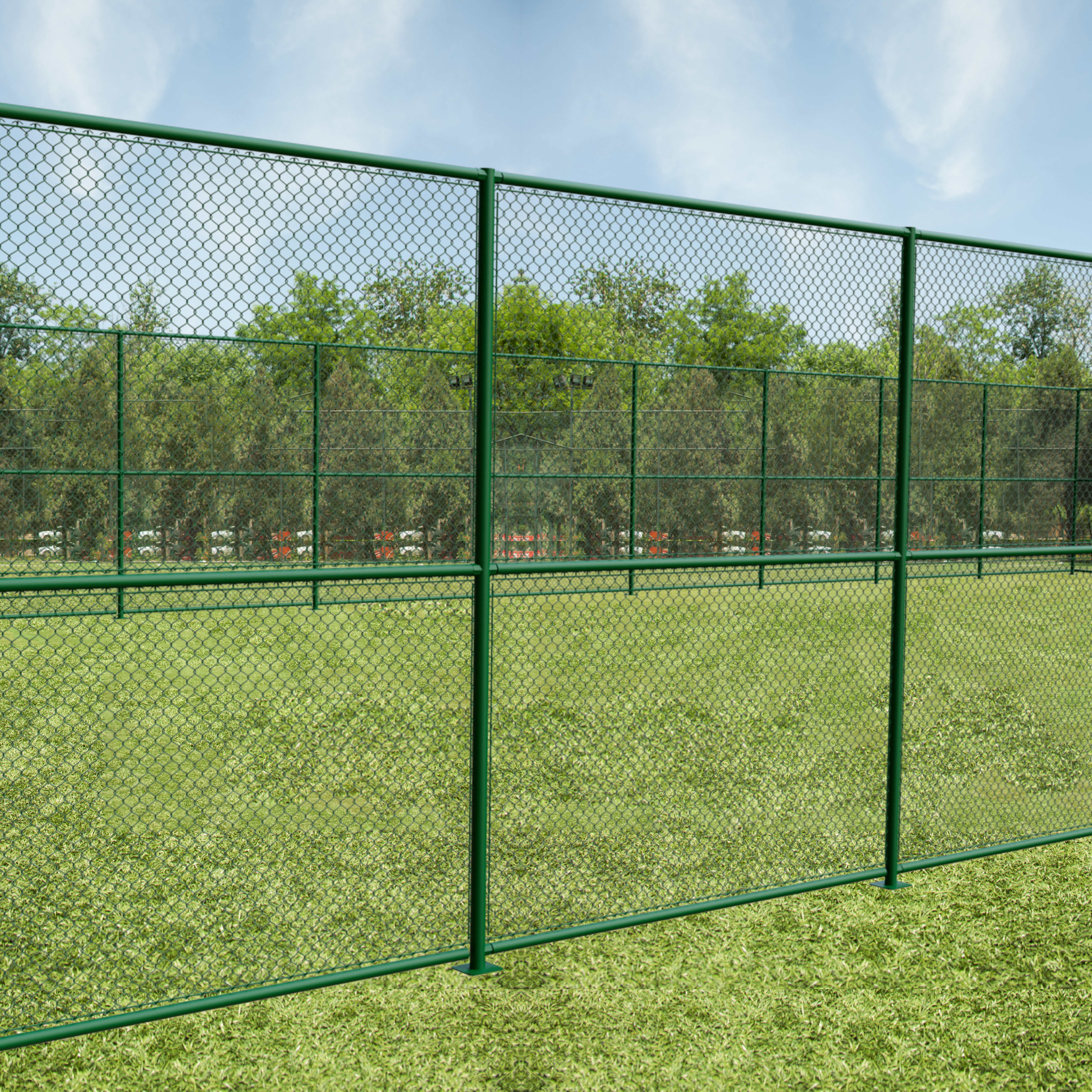
Welded wire mesh and chain link fencing provide open structures that allow people to see through the fence without creating a completely solid barrier.
The mesh opening and wire configuration should be selected according to the application, considering both visibility and the required level of protection.
2.2 Strong Structures for Perimeter Protection
A stadium fence needs sufficient structural strength for its intended use.
Wire diameter, mesh configuration, post dimensions, fixing systems, and foundation design all contribute to the performance of the complete fencing system.
For example, Double Wire Fence offers a rigid welded mesh structure, while 3D Fence provides a practical option for general sports ground boundaries.
For higher-security areas, a more specialized fencing configuration may be required.
2.3 Controlled Access Points
Security is not only about the fence panels. Gates are equally important.
Pedestrian gates, double swing gates, and controlled entrance systems help manage movement between different areas of a stadium.
Gate positions should be planned around spectator circulation, emergency access, maintenance requirements, and the facility's overall security layout.
3. What Materials and Fence Designs Are Suitable for Stadiums?
Different sports facilities have different fencing requirements. Selecting the right product starts with understanding the intended application.
|
Fence Type |
Main Characteristics |
Typical Applications |
|
3D Fence |
V-shaped bends and welded mesh structure |
General sports grounds |
|
Double Wire Fence |
Twin horizontal wires and rigid panels |
Sports facilities requiring stronger mesh panels |
|
Chain Link Fence |
Flexible diamond-shaped mesh |
Tennis courts and sports boundaries |
|
Steel Tubular Fence |
Open steel bar structure |
Stadium perimeters and public areas |
|
Crowd Control Barriers |
Movable pedestrian separation |
Event and spectator management |
Wire and Mesh Specifications
Wire diameter and mesh opening affect panel rigidity, visibility, and material consumption.
Smaller mesh openings may be preferred where smaller gaps are important, while larger openings can provide a more open appearance.
The correct specifications should reflect the sport, expected use, and project drawings.
Surface Treatment and Corrosion Protection
Outdoor stadium fences are exposed to rain, humidity, sunlight, and sometimes industrial or coastal environments.
Common surface treatment options include:
Galvanizing: Provides zinc-based corrosion protection.
Powder coating: Adds a coloured protective finish.
Galvanizing plus powder coating: Combines metallic protection with an additional coating layer.
The appropriate system depends on environmental exposure and project requirements.
ISO 9223:2012 can help classify atmospheric corrosivity, while the actual coating specifications should be confirmed separately with the manufacturer.
4. How Can Stadium Fencing Improve Safety?
Security and safety are closely related, but they are not the same thing.
A fence may prevent unauthorized access while still creating risks if its design includes sharp edges, unsuitable gaps, or poorly positioned gates.
Several details deserve attention.
4.1 Smooth Edges and Safe Finishing
Exposed wire ends, sharp corners, and protruding fasteners should be avoided in areas accessible to players and spectators.
Appropriate panel finishing and fixing arrangements help reduce unnecessary contact risks.
4.2 Suitable Fence Height and Configuration
Fence height should reflect the sport and the function of each area.
For example, a tennis court may require different fencing from a football ground or an external stadium boundary.
The design should also consider ball containment, access restrictions, and spectator movement.
4.3 Proper Gate and Emergency Access Planning
Gates should be positioned to support normal circulation, maintenance, and emergency procedures.
Emergency exits must follow the approved stadium safety and evacuation design. Fence layouts should never obstruct designated escape routes.
4.4 Structural Stability
Posts, foundations, connections, and panels must be designed for the loads expected in their specific locations.
Areas exposed to wind, frequent contact, or crowd pressure may require additional engineering assessment. A standard fence panel should not automatically be treated as a crowd barrier.
5. Applications of Stadium Fence
Stadium fencing is used in different sports and recreational environments.
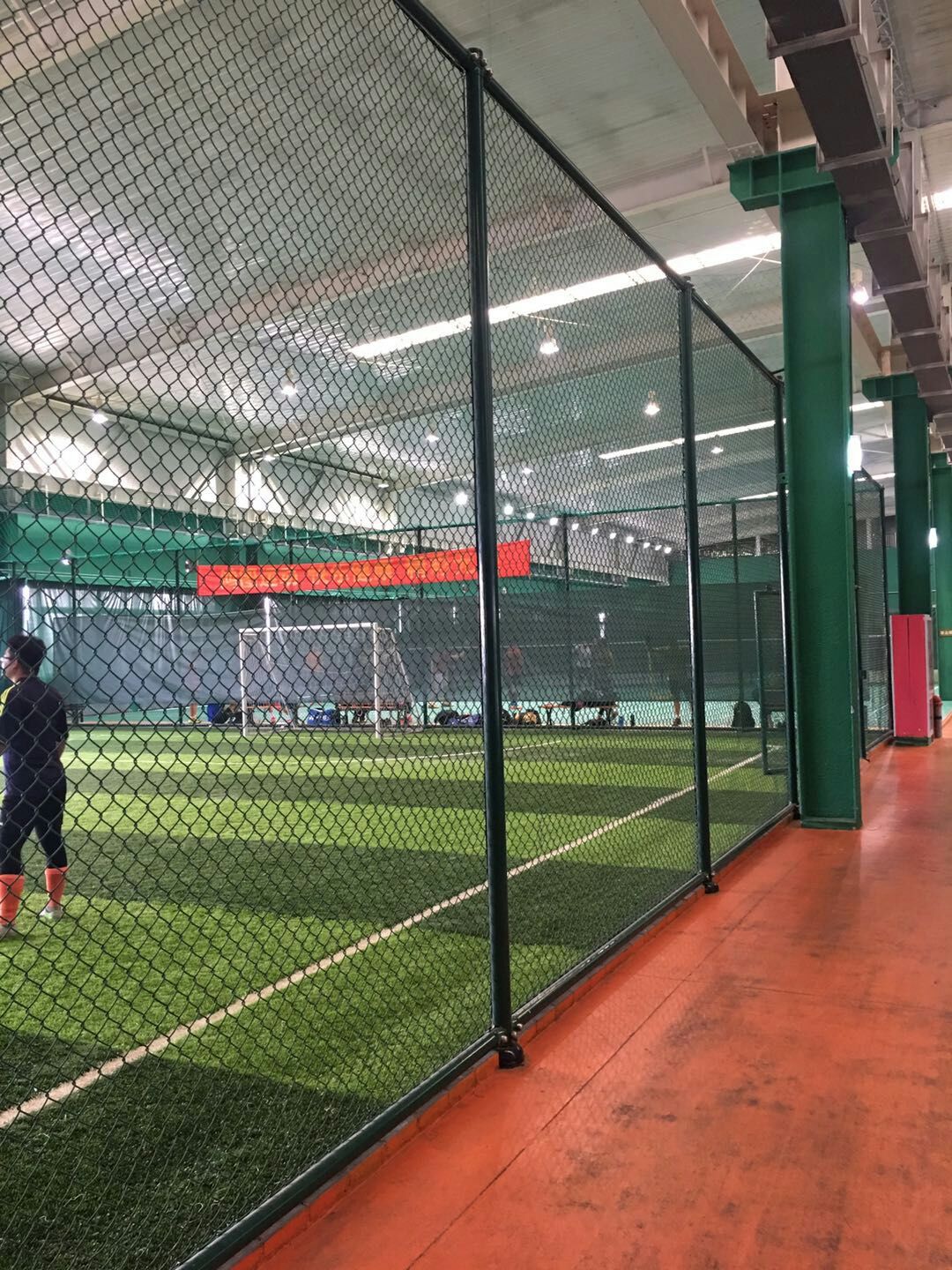
Football Stadiums: Defines playing areas and external boundaries while maintaining visibility.
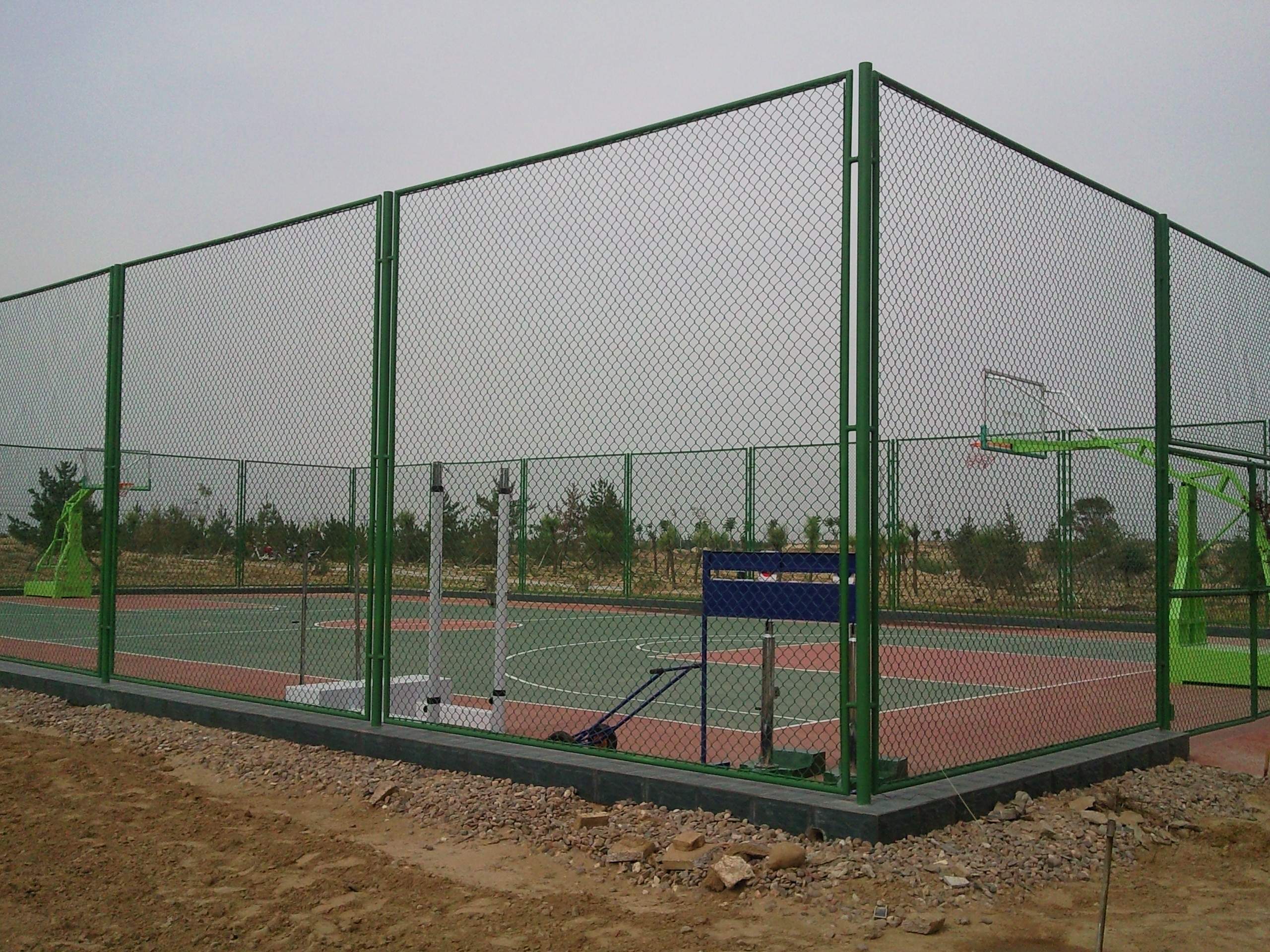
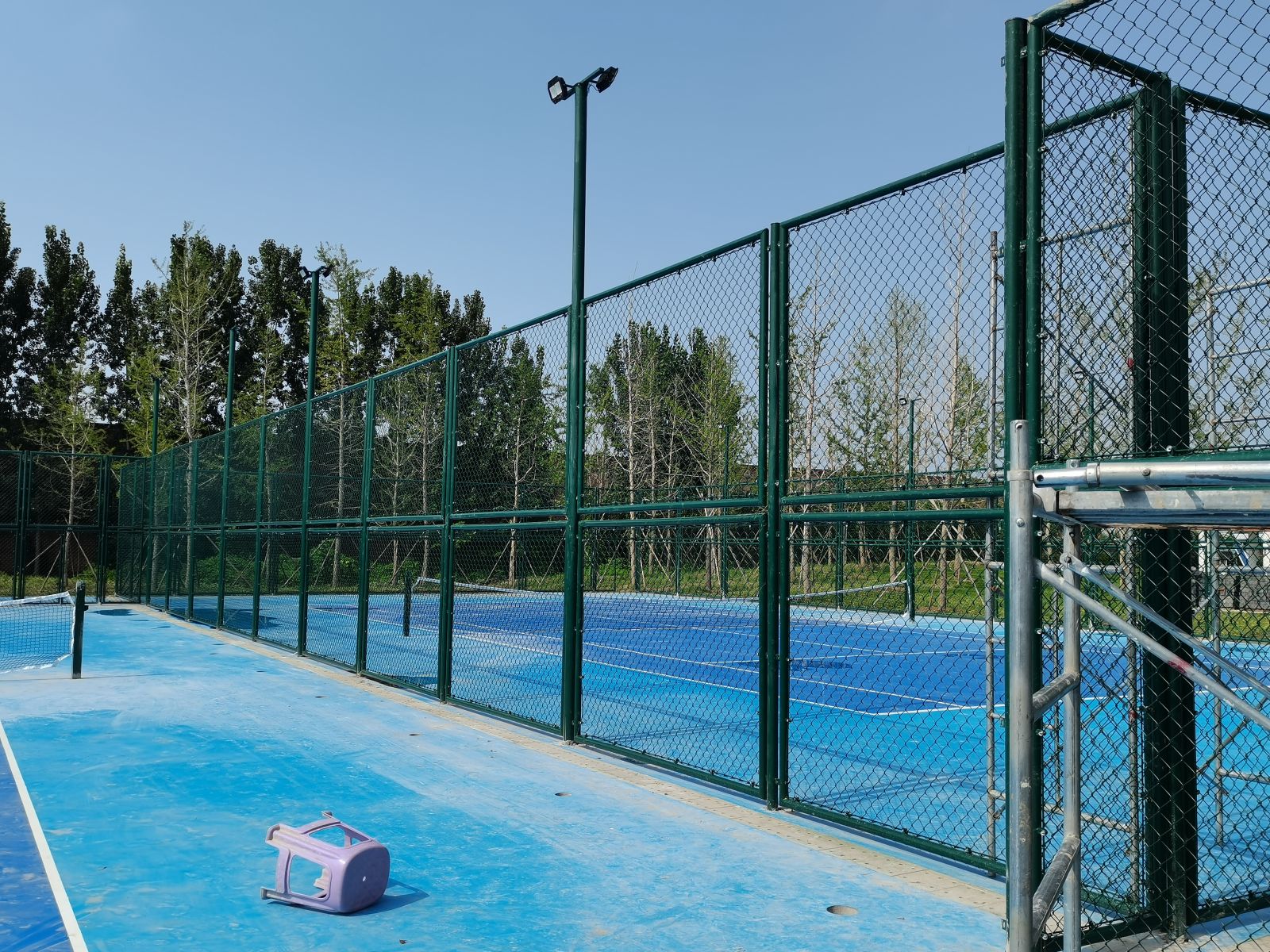
Tennis Courts: Helps contain balls and separate playing areas.
Basketball Courts: Provides perimeter separation and controlled access.
Athletics Facilities: Defines track and field boundaries.
Multi-purpose Sports Complexes: Combines different fencing types for courts, entrances, and restricted areas.
Public Sports Parks: Provides practical boundary protection around recreational facilities.
Each area should be assessed separately because the requirements for spectator protection, ball containment, and perimeter security may be different.
6. Buying Guide for Distributors and Contractors
When sourcing Stadium Fence for a sports facility, buyers should compare complete systems rather than focusing only on panel prices.
Before requesting a quotation, confirm the following:
|
Item |
What to Confirm |
|
Application |
Sport type and installation area |
|
Panel dimensions |
Required height and width |
|
Mesh opening |
Visibility and safety requirements |
|
Wire diameter |
Required material specifications |
|
Post system |
Dimensions and foundation method |
|
Surface treatment |
Galvanizing and coating requirements |
|
Gates |
Quantity, opening direction, and hardware |
|
Accessories |
Clamps, brackets, and fasteners |
|
Installation |
Ground conditions and layout |
|
Delivery |
Quantity, packaging, and lead time |
For larger projects, drawings and site layouts are particularly helpful.
They allow manufacturers to understand the fence arrangement, calculate quantities, and identify the required panels, posts, gates, and accessories before production.
7. Why Choose Giant Fence?
Hebei Giant Metal Technology Co., Ltd. (Giant Fence) is an integrated metal fencing manufacturer and exporter, supplying fencing products and related solutions to international markets.
With experience in welded wire mesh manufacturing, fence panel processing, and surface treatment, Giant Fence supports different fencing requirements for sports facilities, commercial properties, industrial sites, and public infrastructure.
For stadium fencing projects, buyers can discuss:
3D Fence and Double Wire Fence panels.
Chain Link Fence for sports courts.
Customized panel dimensions and mesh openings.
Galvanizing and powder coating options.
Matching posts, gates, and fixing accessories.
Bulk production and export packaging.
Our approach is to understand the project requirements first and then discuss a suitable fencing configuration based on the drawings, application, and technical specifications.
8. Frequently Asked Questions About Stadium Fence
Q1: What type of fence is best for a stadium?
It depends on the application. 3D Fence and Double Wire Fence are suitable for many general sports boundaries, while Chain Link Fence is commonly considered for tennis courts and similar facilities.
Q2: How high should a stadium fence be?
There is no universal height. It depends on the sport, ball containment requirements, security level, and applicable project regulations.
Q3: How can stadium fences maintain good visibility?
Open mesh designs, such as welded wire mesh and chain link fencing, allow spectators and staff to see through the fence while maintaining a physical boundary.
Q4: What surface treatment is suitable for outdoor stadium fencing?
Galvanizing and galvanizing combined with powder coating are common options. The final choice should reflect environmental exposure and project specifications.
Q5: Can stadium fences be customized?
Yes. Panel dimensions, wire specifications, mesh openings, colours, posts, and gate configurations can be discussed according to manufacturing capabilities and project requirements.
9. Conclusion
A good Stadium Fence needs to do more than define the edge of a sports facility. It should provide practical security, maintain visibility, and support a safe environment for players, spectators, and staff.
The right combination of mesh design, wire specifications, posts, surface treatment, and access gates makes a significant difference to the final system.
For stadium developers, contractors, and distributors, confirming these details before purchasing helps avoid unnecessary costs and installation problems.
Looking for Stadium Fence for your next sports facility project? Contact Giant Fence with your drawings, required dimensions, and estimated quantities. Our team can help review your specifications and discuss a suitable fencing solution.