



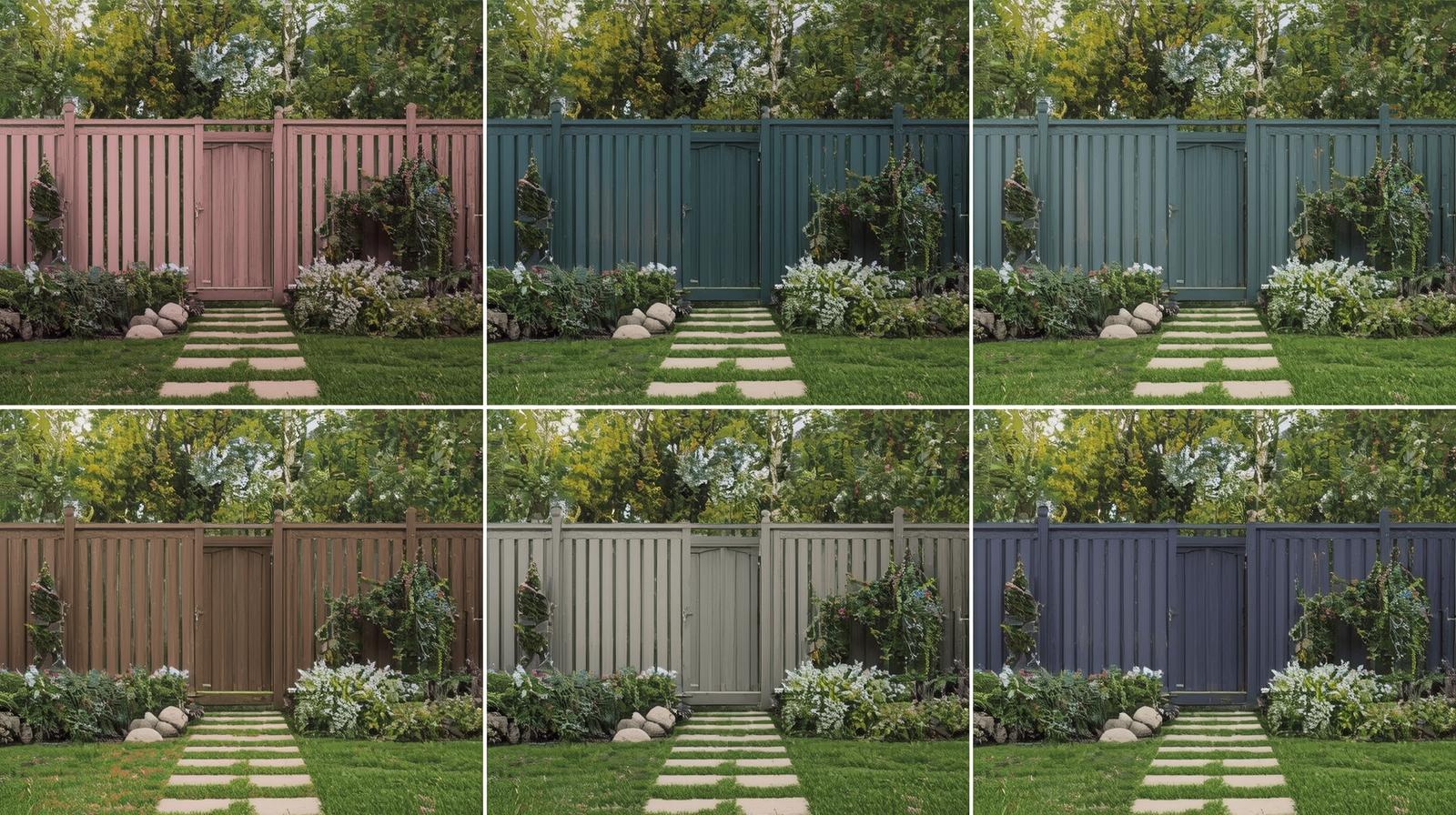
The Role of Color Psychology in Outdoor Fence Design
Why Color Defines Outdoor Experience
In modern architectural landscapes, a fence is no longer just protection—it’s part of the emotional and visual identity of a space. Color, more than any other design factor, determines how people perceive comfort, openness, and security within outdoor environments.
The psychological impact of color extends beyond aesthetics. The right tone can calm, energize, or define the visual flow between architecture and nature. In garden and urban fencing, color choice has become a core design variable rather than a finishing detail.
Understanding the Psychology of Outdoor Colors
Different hues trigger distinct emotional and perceptual responses. Choosing the right fence color can influence how people interact with a landscape, and how the boundary itself visually integrates—or stands out.
| Color | Psychological Effect | Typical Application |
|---|---|---|
| Green (RAL 6005) | Tranquility, nature blending | Gardens, parks, residential zones |
| Gray (RAL 7016) | Balance, stability, modernity | Urban villas, commercial areas |
| Black (RAL 9005) | Strength, contrast, sophistication | Minimalist and industrial projects |
| White (RAL 9010) | Cleanliness, openness, order | Public facilities and educational spaces |
| Brown (RAL 8017) | Warmth, earthiness, natural tone | Rural and ecological zones |
Color works as a psychological boundary tool—a way to signal transition between private and public zones, or to visually “soften” a fence so it complements its surroundings rather than dominating them.
Color, Material, and Light: The Engineering Perspective
While color psychology focuses on emotion, material science defines how color performs over time. Outdoor fences face UV exposure, humidity, and oxidation, which can distort perceived color if coatings are not properly stabilized.
Key performance factors:
-
Pigment stability: Use light-fast pigments rated ≥8 on the Blue Wool Scale for UV resistance.
-
Gloss retention: Matte finishes reduce glare, maintaining visual comfort in strong sunlight.
-
Surface texture: Fine-textured coatings scatter light evenly, preventing color patching.
-
Base substrate: Galvanized or aluminum substrates reflect color differently depending on coating thickness.
When engineering outdoor color systems, RAL-standard powder coatings provide the most reliable consistency, ensuring design intent remains stable for over a decade of exposure.
Strategic Color Use in Different Architectural Settings
| Environment | Recommended Tone | Design Goal | Practical Benefit |
|---|---|---|---|
| Urban Landscape | Anthracite Gray (RAL 7016) | Visual uniformity | Hides pollution and dust |
| Residential Garden | Moss Green (RAL 6005) | Nature integration | Blends with vegetation |
| Luxury Villa | Jet Black (RAL 9005) | Architectural contrast | Highlights structure lines |
| Public Park | Olive Green (RAL 6021) | Relaxed atmosphere | Enhances depth perception |
| Industrial Complex | Graphite Gray (RAL 7024) | Professional tone | Low maintenance appearance |
Through deliberate color planning, designers can guide attention, frame perspectives, and modulate emotional tone within an outdoor space.
The Connection Between Color and Brand Identity
For commercial or institutional spaces, fence color also acts as a branding element. Consistent RAL tones aligned with corporate identity reinforce recognition and trust.
-
Educational institutions: Prefer calm, light tones like RAL 9002 (gray white).
-
Hospitality projects: Use deep, warm tones to express exclusivity and comfort.
-
Corporate campuses: Gray and black blends communicate reliability and order.
Giant Fence’s powder coating system allows custom RAL matching, ensuring that architectural branding and color psychology align with long-term durability.
FAQ: What Clients Commonly Ask
Q1. Does darker color absorb more heat?
Yes, but modern polyester coatings are thermally stable; even black finishes maintain surface temperatures safely below 70°C under sunlight.
Q2. Can color fade over time?
With UV-stable powders (TGIC-free polyester), color loss remains below ΔE 2.0 after 10 years of exposure.
Q3. Is it possible to repaint a powder-coated fence?
Yes. Surfaces can be lightly sanded and recoated after years of service to refresh tone without full replacement.
Designing Emotion through Color
Color transforms perception. It defines boundaries without walls, and emotion without words.
By combining color psychology with coating technology, outdoor fences become part of the environment’s visual story—calm in tone, strong in protection, and lasting in impression.
For expert guidance or color sample requests, visit Giant Fence or contact our design team.