


Industrial facilities need more than a fence that simply marks their boundaries. Factories, warehouses, power stations and storage yards often contain valuable equipment, materials and restricted areas that need proper protection.
This is where a Palisade Fence becomes a practical choice.
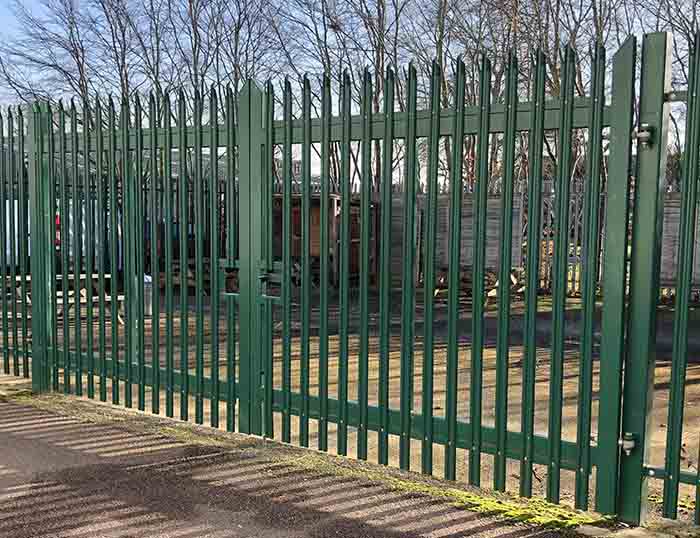
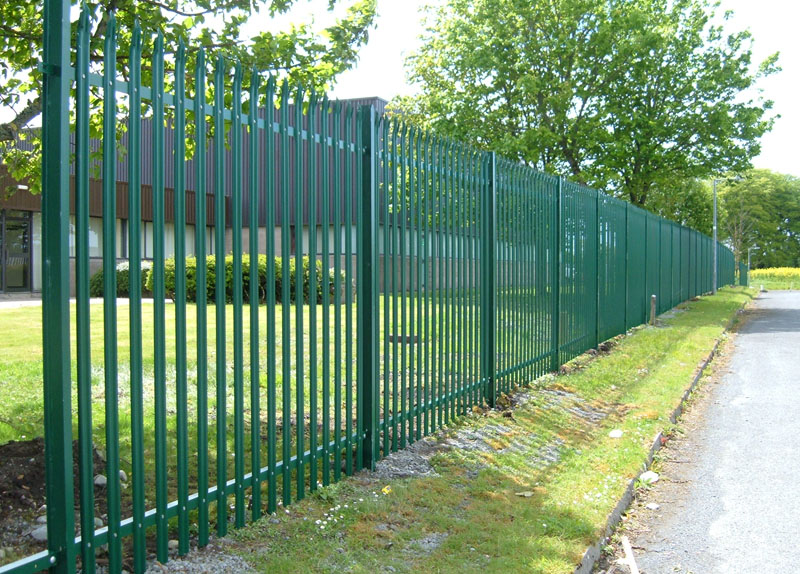
Unlike standard welded mesh fencing, a Palisade Fence uses vertical steel pales fixed to horizontal rails, creating a rigid and visible security barrier. Its structure, height and pale-top design can make unauthorized access more difficult while providing a strong physical boundary.
At Giant Fence, we manufacture steel fencing systems for industrial, commercial and infrastructure projects. Let's look at what makes Palisade Fence suitable for demanding industrial environments and what you should check before choosing one.
What Is a Palisade Fence?
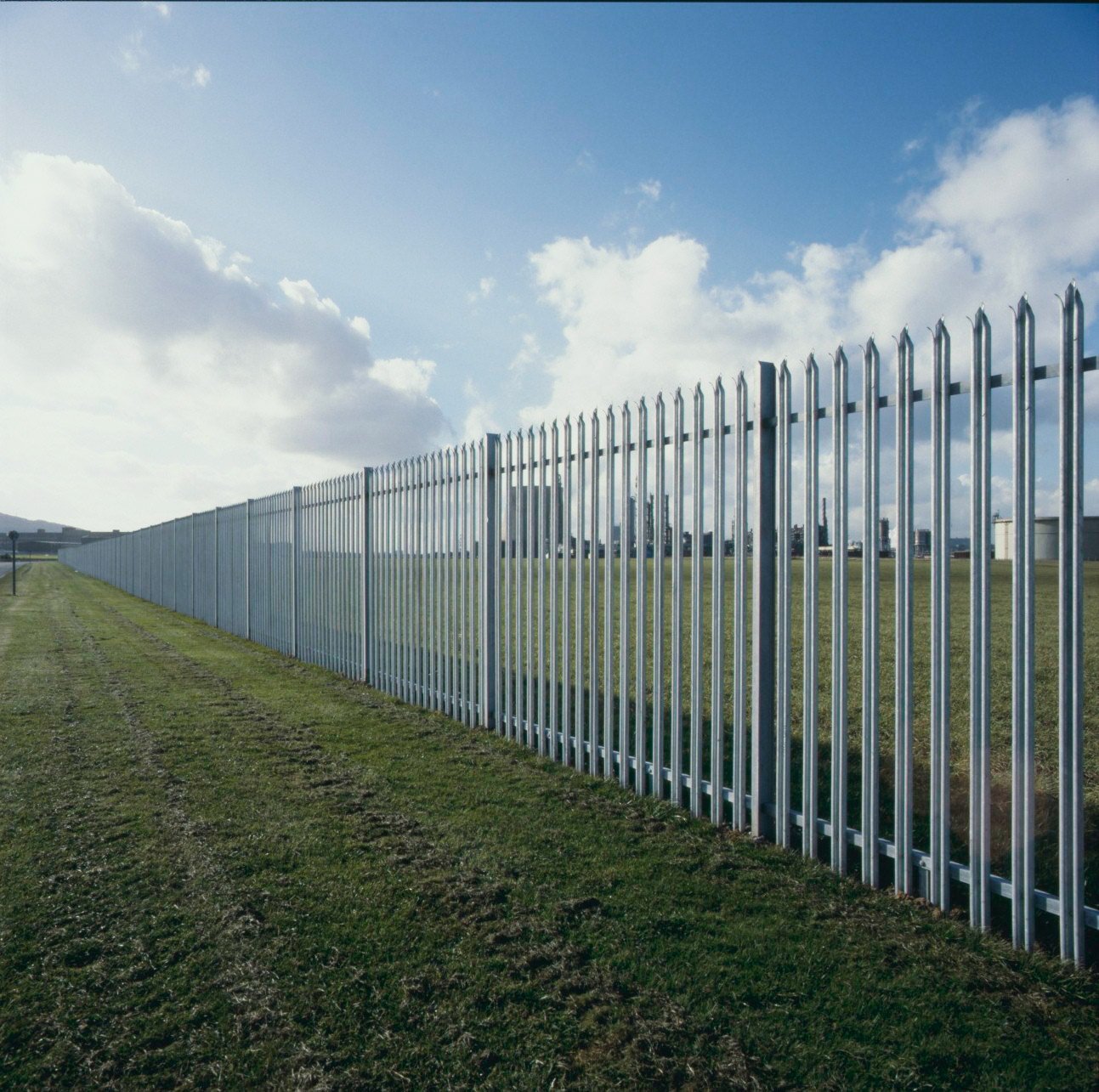
A Palisade Fence is a steel security fencing system made up of vertical steel pales, horizontal rails, support posts and fixing accessories.
The vertical pales are usually manufactured from steel sections and attached to horizontal rails using bolts or other specified fixing methods.
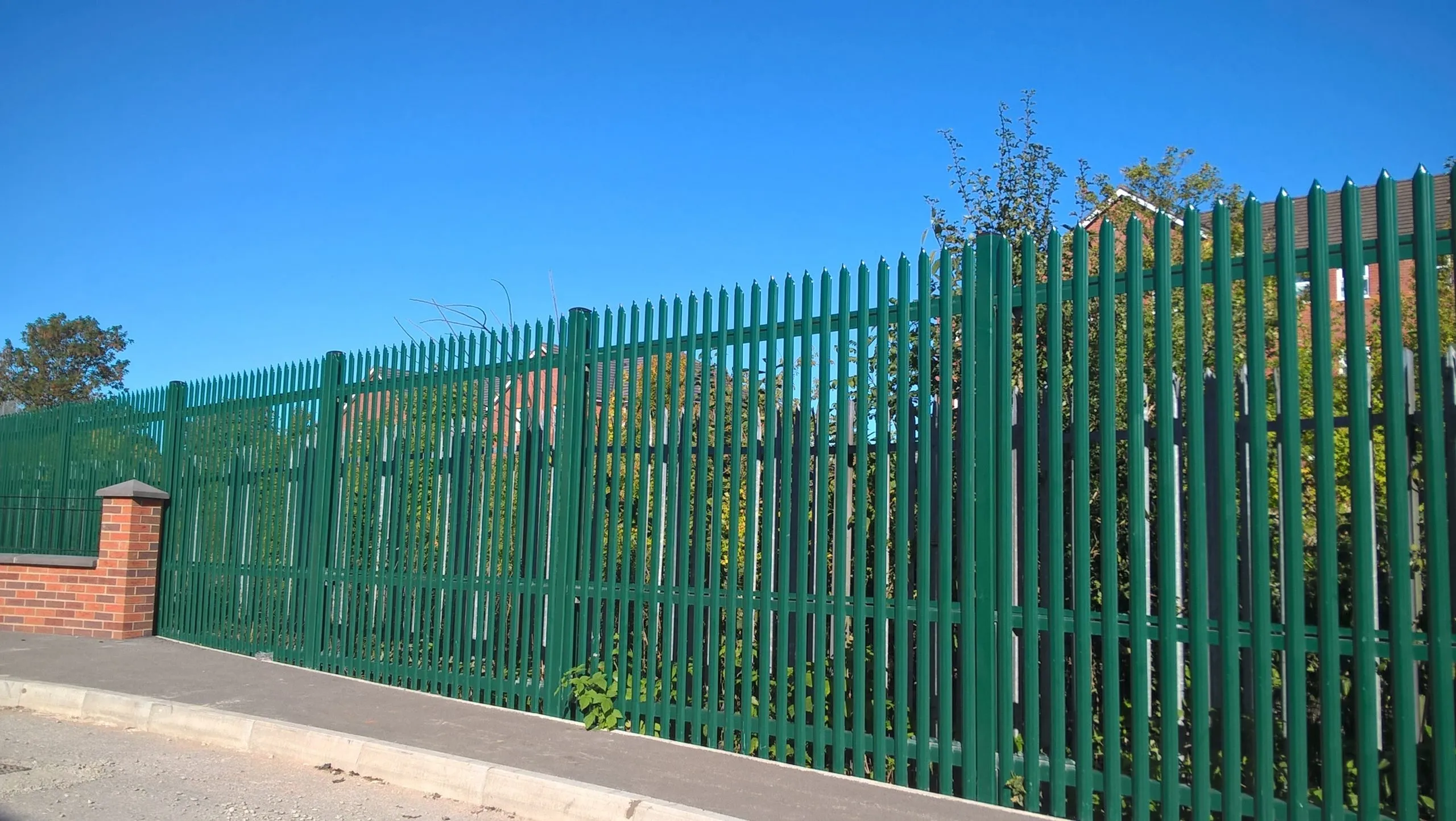
Depending on the security requirements, the pales can have different profiles and top finishes, such as pointed, rounded or flat tops.
One of its main advantages is its rigid construction. Compared with lightweight mesh fencing, a properly designed Palisade Fence provides a more substantial physical barrier and can be difficult to climb or force open.
Why Choose Palisade Fence for Industrial Facilities?
1. Strong Physical Security
The steel pales and rigid rail structure provide a solid boundary around industrial properties.
The pale spacing and top design can also make climbing more difficult, particularly when the fence is installed at an appropriate height with suitable security features.
2. Different Pale Designs for Different Security Needs
Palisade Fence can be manufactured with different pale profiles, including D-section and W-section designs.
D-section pales offer a straightforward structural design, while W-section pales provide a different profile and can be selected for projects requiring specific structural characteristics.
The choice should consider the required strength, appearance and project specification.
3. Suitable for Large Industrial Perimeters
Factories, warehouses and utility facilities often have long boundaries.
Palisade Fence panels can be arranged in continuous sections with matching posts, rails and gates, making them suitable for large perimeter projects.
4. Long-Term Outdoor Performance
With suitable galvanizing and additional coating protection, Palisade Fence can be used in different outdoor environments.
The coating system should match the local climate, especially for facilities located near the sea or in industrial areas.
Where Is Palisade Fence Commonly Used?
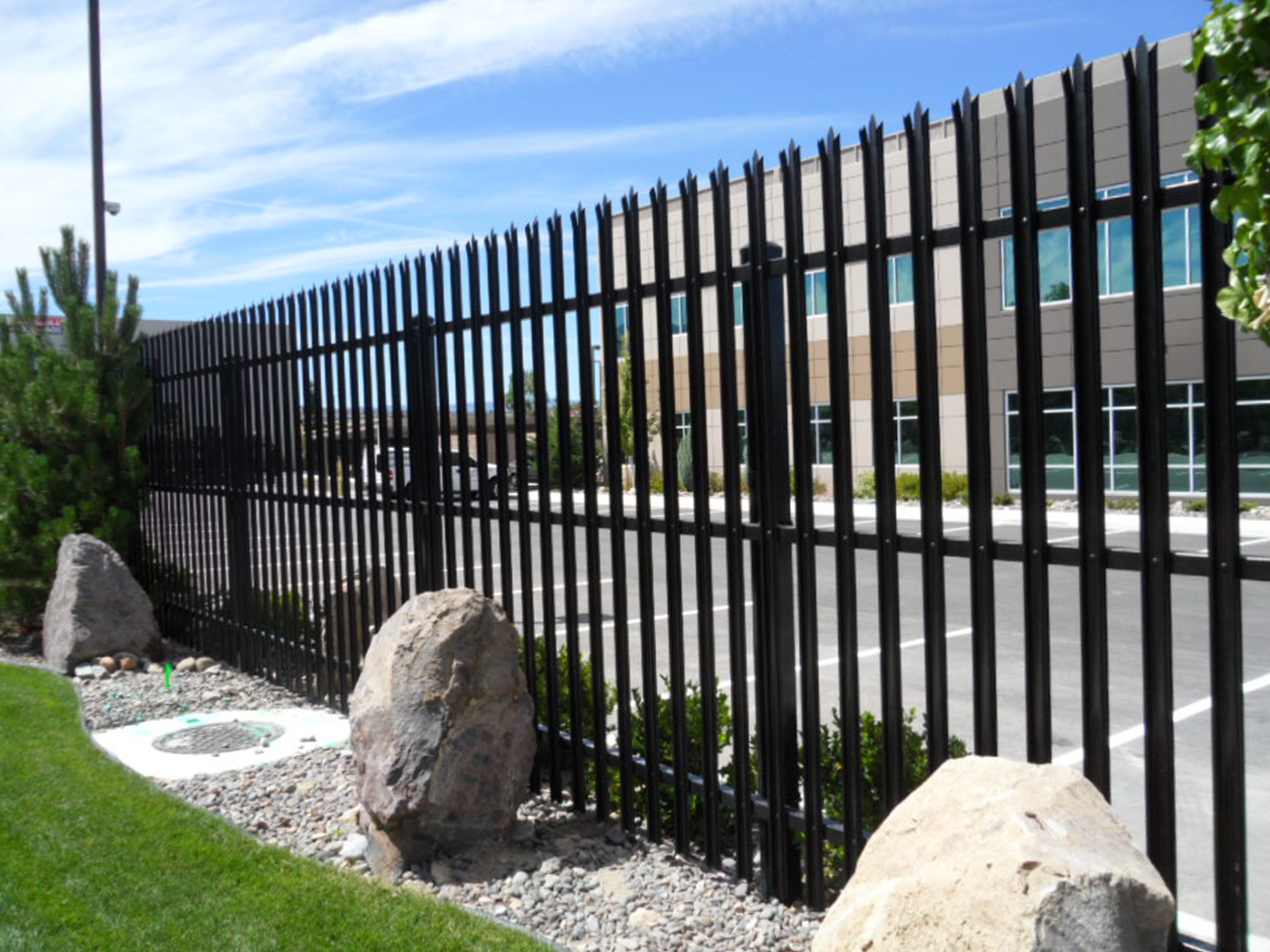
Factories and Industrial Parks: Protects production areas, equipment and storage facilities.
Power Stations and Utilities: Helps restrict unauthorized access to critical infrastructure.
Warehouses and Logistics Centers: Defines secure boundaries around goods and loading areas.
Transportation Facilities: Suitable for selected railway, depot and infrastructure boundaries.
Commercial Properties: Provides a strong and clearly visible perimeter.
For particularly high-risk locations, additional security features such as anti-climb toppings, security gates and intrusion detection systems may be required.
What Specifications Should You Check Before Ordering?
Not all Palisade Fence systems are the same. Before comparing quotations, pay attention to these details:
Pale Profile and Thickness: D-section and W-section pales have different structural profiles. Steel thickness should match the project requirements.
Fence Height: Common heights vary according to the security level and site conditions.
Pale Spacing: The spacing between vertical pales affects the physical barrier and overall appearance.
Horizontal Rails: Rail dimensions and thickness influence the stability of the complete panel.
Posts and Fixings: Post dimensions, wall thickness, spacing and fixing methods should be designed to support the fence structure.
Top Design: Pointed, rounded and flat tops can be selected according to security and safety requirements.
What About Corrosion Protection?
Industrial fencing is often exposed to rain, humidity, pollution and changing weather conditions. Choosing the right surface treatment is essential for long-term durability.
At Giant Fence, we consider the installation environment when recommending galvanizing and powder coating solutions.
For environmental assessment, we refer to ISO 9223:2012, which classifies atmospheric corrosivity from C1 to CX.
C1–C3: Low to medium corrosivity, covering many inland environments. Suitable galvanized or galvanized-plus-powder-coated systems can be considered.
C4–CX: High to extreme corrosivity, including coastal areas and heavily polluted industrial environments. Higher zinc coating weights or more protective coating systems may be required.
For our welded mesh fencing products, manufacturing follows UNE-EN-10223-7:2013, with production controls covering steel wire materials, coating weight and welding processes. This standard applies to welded steel wire mesh products, not directly to the structural design of Palisade Fence.
How Long Can Palisade Fence Last?
There is no single service life for every Palisade Fence.
Under ideal conditions, with proper installation and no external damage, different coating systems can achieve their corresponding theoretical durability periods.
Actual performance depends on zinc coating weight, additional coating quality, atmospheric exposure, installation and maintenance.
ISO 9223:2012 helps identify the environmental corrosion risk, but it does not guarantee a fixed number of service years.
For coastal and industrial projects, confirming the coating specification before production is always worthwhile.
How Does Giant Fence Control Manufacturing Quality?
At Giant Fence, manufacturing quality starts with material selection and continues through fabrication, assembly and surface treatment.
Our production capabilities support different steel fencing structures, including the cutting, forming and processing of steel components.
For Palisade Fence projects, important inspection points include:
Steel material and pale thickness.
Pale profile and dimensions.
Rail and post specifications.
Connection and fixing quality.
Galvanizing and powder coating requirements.
Finished dimensions and packing condition.
We can also supply matching posts, rails, gates and fixing accessories to help customers source a complete fencing system.
Choosing the Right Palisade Fence with Giant Fence
If you need a simple boundary for a general-purpose area, standard welded mesh fencing may be sufficient.
But if your project requires a more rigid steel structure, stronger physical protection and a traditional industrial security appearance, Palisade Fence is worth considering.
At Giant Fence, we help customers review their project requirements and select suitable pale profiles, steel thicknesses, fence heights and corrosion protection systems.
Planning an industrial fencing project?
Share your required fence height, total length, preferred pale design and project location with Giant Fence. Our team can help review your specifications and recommend a suitable Palisade Fence solution.
A good industrial fence should provide reliable protection today and remain practical to maintain in the years ahead.
Frequently Asked Questions About Palisade Fence
Q1: What is Palisade Fence mainly used for?
A: It is commonly used around factories, warehouses, power stations, industrial parks and other facilities requiring a rigid security boundary.
Q2: What is the difference between D-section and W-section pales?
A: They have different steel profiles and structural characteristics. The suitable option depends on the required strength, appearance and project specification.
Q3: Can Palisade Fence be galvanized and powder coated?
A: Yes. Galvanized and powder-coated finishes can be selected according to the installation environment.
Q4: Is Palisade Fence suitable for coastal areas?
A: Yes, provided that an appropriate corrosion protection system is selected. C4–CX environments under ISO 9223:2012 may require higher zinc coating weights or additional protective coatings.
Q5: Can Giant Fence customize Palisade Fence dimensions?
A: Yes. Pale profiles, steel thickness, fence height, pale spacing, posts, rails and gate configurations can be customized according to project requirements.
Q6: What information is needed for a Palisade Fence quotation?
A: Buyers should provide the required height, total length, pale profile, steel thickness, surface treatment, project location and any available drawings.