



When selecting a Roll Top Fence, appearance is often the first thing buyers notice. But for distributors, contractors, and project engineers, panel dimensions are just as important.
Height determines the boundary coverage, width affects post spacing and installation, and mesh opening influences visibility and the overall fence structure.
Choosing the wrong combination can lead to unnecessary material costs or installation problems. So, what sizes should you consider, and how do these specifications affect the finished fence?
Let's take a closer look.
1. What Is a Roll Top Fence Panel?
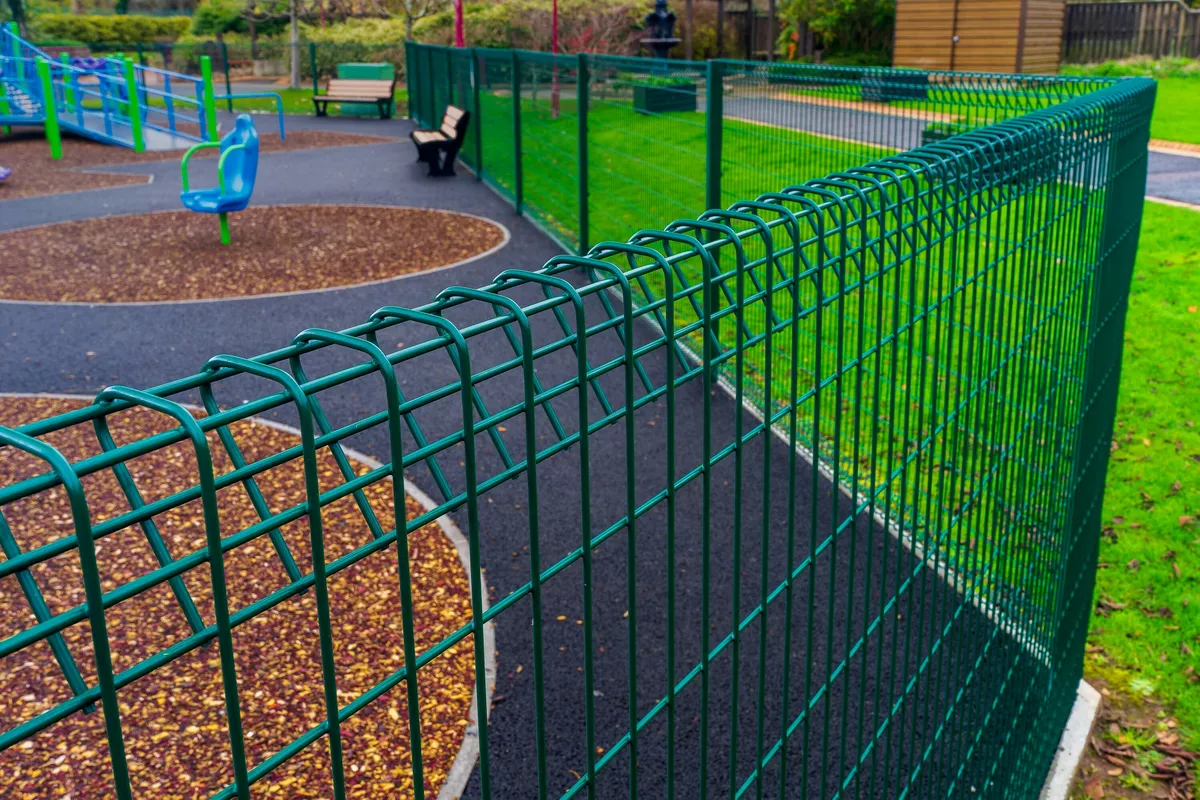
A Roll Top Fence is a welded wire mesh fencing system with rolled or folded edges along the top and bottom of the panel.
Unlike conventional flat-top mesh panels, its rounded edge design provides a smoother finish and helps reduce exposed sharp wire ends.
A typical panel consists of:
Horizontal wires: Form the main mesh structure.
Vertical wires: Connect the horizontal wires through welding.
Rolled edges: Create the characteristic rounded top and bottom.
Fence posts: Support the panels along the perimeter.
Fixing accessories: Secure panels to the posts.
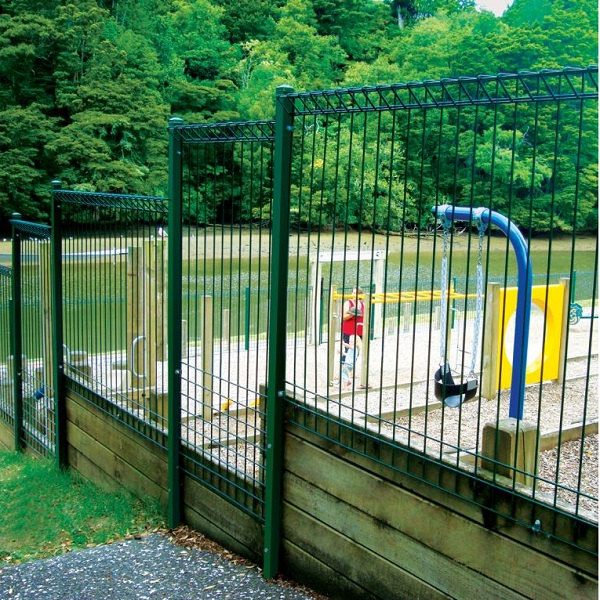
The combination of welded mesh and rolled edges makes this system suitable for residential communities, schools, parks, and commercial properties.
2. Common Roll Top Fence Panel Heights and Widths
Panel dimensions vary by manufacturer, market, and application. Common configurations include:
| Specification | Common Reference Options |
|---|---|
| Panel height | 1,000 / 1,200 / 1,500 / 1,800 / 2,000 mm |
| Panel width | 2,000 / 2,400 / 2,500 mm |
| Mesh opening | 50 × 200 mm or other customized sizes |
| Wire diameter | Depends on project requirements |
| Edge design | Rolled top and bottom |
These are illustrative industry options rather than guaranteed standard specifications. Actual dimensions should be confirmed with the supplier.
How to Choose Panel Height
Lower panels may be suitable for gardens and decorative boundaries, while taller panels are often considered for schools, commercial properties, and public facilities.
The right height depends on:
Required boundary protection.
Site layout and surrounding structures.
Visibility requirements.
Local safety regulations.
A taller fence does not automatically provide better security. Mesh configuration, post strength, and installation also matter.
How to Choose Panel Width
Panel width affects the number of posts and connections required along a fence line.
Wider panels may reduce the number of posts, but transportation, handling, and installation conditions should also be considered.
For bulk projects, panel width should be coordinated with post spacing and the overall site layout.
3. How Do Mesh Openings and Wire Diameter Affect Performance?
Mesh opening and wire diameter are two important specifications when comparing Roll Top Fence panels.
Mesh Opening
Mesh opening refers to the spacing between horizontal and vertical wires.
Smaller openings create a denser mesh, while larger openings provide a more open appearance.
Buyers should consider:
Visibility: Larger openings generally provide a more open view.
Security: Smaller openings may make climbing more difficult, depending on the overall design.
Material consumption: Mesh spacing affects the amount of steel wire used.
Appearance: Different mesh configurations create different visual effects.
Always confirm whether the quoted mesh dimensions refer to centre-to-centre spacing or clear opening.
Wire Diameter
Wire diameter affects panel weight, stiffness, and material consumption.
Thicker wires generally provide greater rigidity under comparable conditions, but the overall performance also depends on welding quality, mesh dimensions, and post configuration.
The right wire diameter should match the project's intended use rather than simply choosing the thickest available option.
4. Rolled Edge Design and Surface Treatment
Why Does the Rolled Edge Matter?
The rolled edges are the most recognizable feature of this fencing system.
They create a smoother top and bottom finish, helping reduce exposed wire ends and improving the overall appearance.
For schools, residential developments, and public spaces, this can be an important consideration.
However, edge design alone does not determine fence strength. Wire specifications, welding quality, and supporting posts remain essential.
Surface Treatment and Corrosion Protection
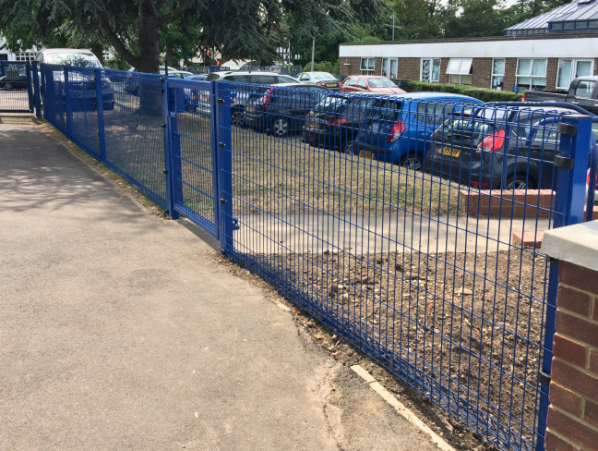
Outdoor Roll Top Fence panels need suitable corrosion protection.
Common options include:
Pre-galvanized wire with powder coating: Uses zinc-coated wire followed by a powder-coated finish.
Galvanized welded panels with powder coating: Provides metallic protection with an additional coating layer.
Hot-dip galvanizing after fabrication: Can be considered where the product design and technical requirements permit it.
The selected process should match the project environment.
Buyers should confirm zinc coating weight, powder coating thickness, surface preparation, and relevant inspection requirements instead of comparing products by colour alone.
5. Applications of Roll Top Fence Panels
Different applications may require different panel dimensions and configurations.
| Application | Main Selection Priorities |
|---|---|
| Residential communities | Appearance and boundary protection |
| Schools and playgrounds | Suitable height and safer edges |
| Parks and public spaces | Visibility and attractive appearance |
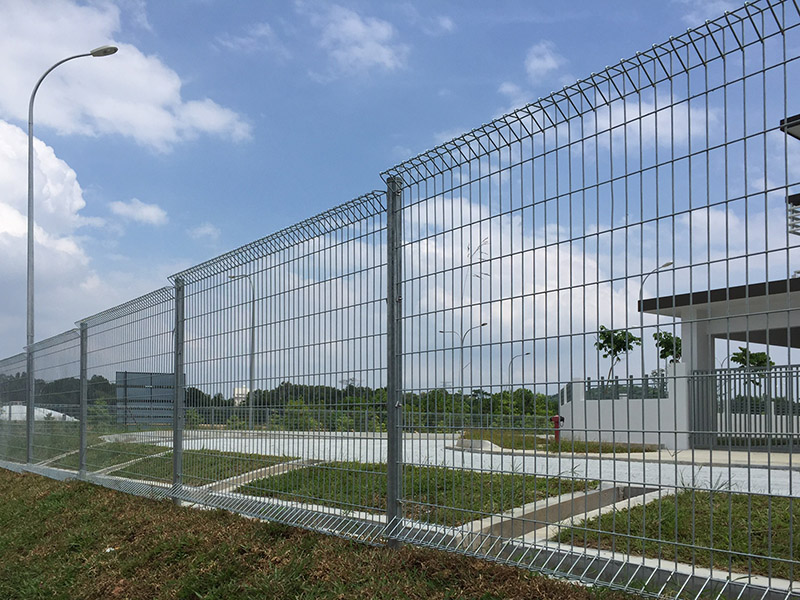
| Commercial properties | Perimeter control and durability |
| Sports facilities | Visibility and suitable boundary configuration |
For sites requiring advanced anti-climb protection, a dedicated high-security fencing system may be more appropriate.
6. Buying Guide for Distributors and Contractors
When purchasing Roll Top Fence panels in bulk, comparing only height and unit price is not enough.
Before requesting a quotation, confirm:
Panel dimensions: Height, width, and dimensional tolerances.
Mesh opening: Exact spacing and measurement method.
Wire diameter: Horizontal and vertical wire specifications.
Rolled edge design: Top and bottom configurations.
Post system: Post dimensions, spacing, and fixing method.
Surface treatment: Galvanizing process and coating requirements.
Accessories: Clamps, brackets, and bolts.
Packaging and delivery: Bundle dimensions, loading arrangement, and lead time.
For large projects, drawings or a site layout can help the manufacturer calculate the required quantities and confirm compatible posts and accessories.
A complete specification also makes supplier quotations easier to compare.
7. Why Choose Giant Fence?
Hebei Giant Metal Products Technology Co., Ltd. (Giant Fence) is an integrated metal fencing manufacturer and exporter, supplying fencing products and related solutions to international markets.
With experience in welded wire mesh manufacturing, panel processing, and surface treatment, Giant Fence supports different Roll Top Fence requirements for residential, commercial, and public projects.
Buyers can discuss:
Customized panel heights and widths.
Different mesh openings and wire diameters.
Rolled edge configurations.
Galvanizing and powder coating options.
Matching posts and fixing accessories.
Bulk production and export packaging.
Our focus is to understand the project requirements first and help customers confirm suitable specifications before production.
8. Frequently Asked Questions About Roll Top Fence
Q1: What is the common width of a Roll Top Fence panel?
Common reference widths include 2,000 mm, 2,400 mm, and 2,500 mm. The final width depends on the project layout and supplier specifications.
Q2: What height should I choose for Roll Top Fence?
It depends on the application. Residential boundaries may use lower panels, while schools and commercial facilities may require taller configurations.
Q3: Does a smaller mesh opening make Roll Top Fence stronger?
Not necessarily. Smaller openings create a denser mesh, but overall strength also depends on wire diameter, welding quality, panel dimensions, and post design.
Q4: Can Roll Top Fence panels be customized?
Yes. Panel dimensions, mesh openings, wire diameters, and surface treatments can be discussed according to manufacturing capabilities and project requirements.
Q5: What surface treatment is suitable for outdoor Roll Top Fence?
Galvanizing and powder coating are common options. The final choice should reflect environmental exposure and project specifications.
Conclusion
Choosing the right Roll Top Fence panel size means balancing height, width, mesh opening, wire diameter, and installation requirements.
The best configuration is not necessarily the tallest or heaviest panel. It is the one that meets the project's protection and appearance requirements while keeping material, transportation, and installation costs under control.
Looking for Roll Top Fence panels for your next project? Contact Giant Fence with your drawings, required dimensions, and estimated quantities. Our team can help review your specifications and discuss a suitable fencing solution.