



Introduction
When shopping for sturdy, clean‑looking perimeter barriers for commercial, industrial or residential projects, steel tubular fences are always a top contender. Built from solid metal tubes instead of welded wire mesh, these fences deliver excellent structural rigidity, neat linear appearance and great impact resistance. They are widely chosen for factory boundaries, residential compounds, sports courts and municipal enclosures.
That said, many buyers feel overwhelmed when faced with dozens of tubular fence specs. Tube size, wall thickness, connection methods and surface finishes all create big differences in price and long‑term performance. Picking incorrect specifications may lead to bending posts, loose joints or premature rusting after installation.
As a trusted fencing supplier, Giant Fence provides full perimeter solutions including steel tubular fences. While our welded mesh range follows UNE‑EN‑10223‑7:2013 for steel wire, coating weight and welding process management, we also apply the same strict quality mindset to tubular fencing fabrication. We reference the ISO 9223:2012 atmospheric corrosion classification system to design customized anti‑corrosion coating packages. Under ideal operating circumstances, without surface damage and with professional installation, each coating system can reach its theoretical service life.
This buying guide is written in simple conversational language. We’ll break down all essential specifications, coating choices, site considerations and practical tips to help you select suitable steel tubular fences for your project.
What Are Steel Tubular Fences
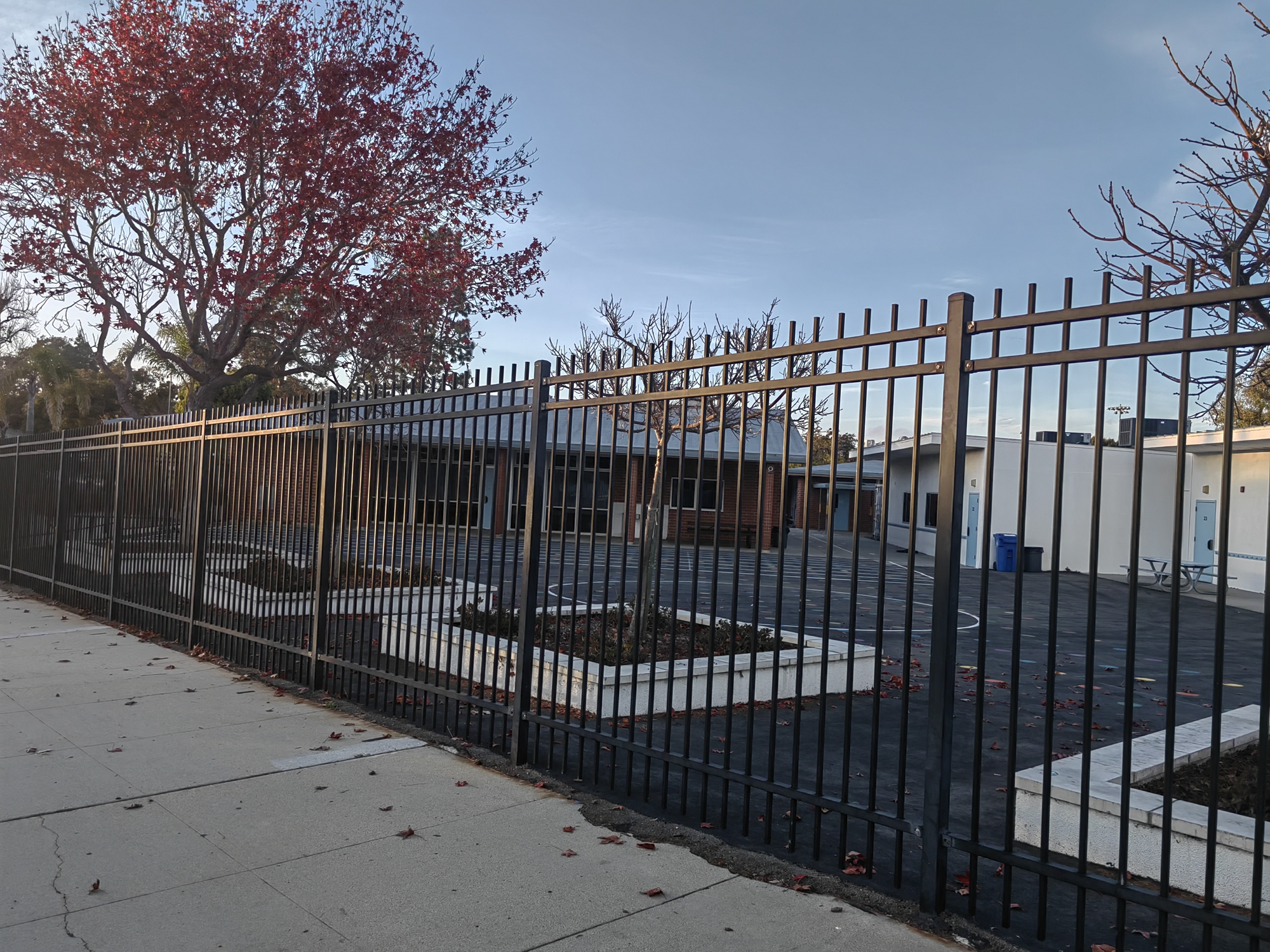
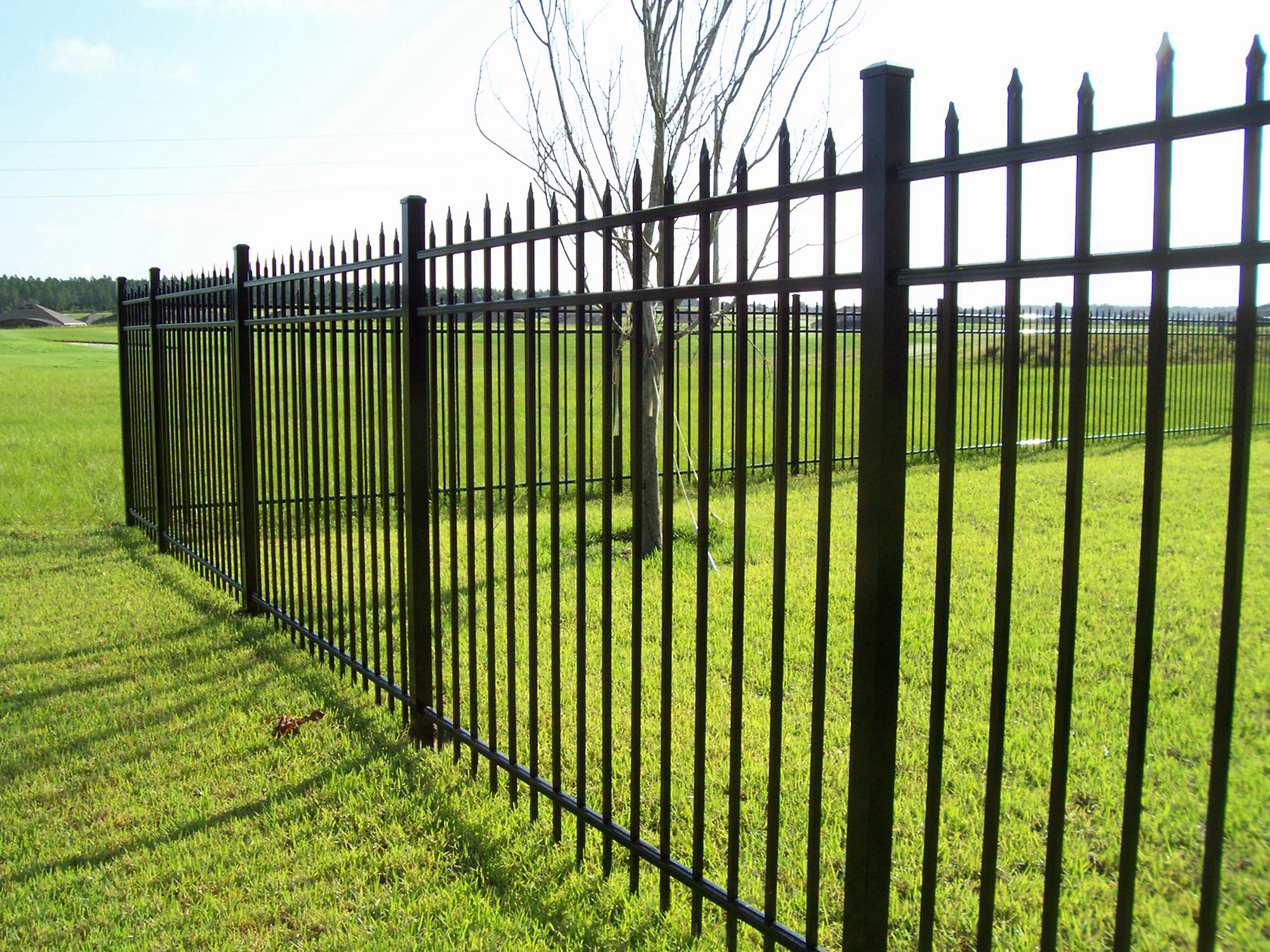
steel tubular fences are constructed using hollow steel tubes for vertical pickets, horizontal rails and support posts. Tubes can be round, square or rectangular profiles, joined together by welding or mechanical assembly. The whole structure forms a rigid barrier. Compared with mesh fencing, tubular fences have a more solid visual effect and stronger load‑bearing capacity.
Not all tubular fences are made equal. Low‑cost options often use thin‑wall tubes and poor welding, which deform easily when hit. Giant Fence carefully selects raw steel tubing and controls every welding joint, ensuring consistent quality for every batch of steel tubular fences.
Key Specifications You Must Confirm Before Ordering
Tube Profile & Dimensions
Steel tubes come in square, rectangular and round profiles. Square and rectangular tubes are the most popular for steel tubular fences, easier for welding and assembly. You need to confirm tube outer diameter or side width, as this directly decides overall strength. Thicker profiles suit high‑security industrial projects; slimmer profiles work well for residential decorative fencing.
Tube Wall Thickness
Wall thickness is one of the most critical specs. Thin‑walled tubing saves upfront cost but bends easily under impact. Thicker walls greatly improve rigidity and anti‑bending performance. Giant Fence offers multiple wall thickness options to match different security grades and project budgets. Never ignore wall thickness and judge strength only by tube outer size.
Spacing Between Vertical Pickets
The gap between vertical tubes affects safety and anti‑climb performance. For sites with children, such as playgrounds, narrow spacing is required to prevent trapping risks. For general industrial zoning, wider picket spacing helps cut material cost while maintaining basic perimeter protection.
Connection Methods
Two common assembly ways: welded connection and bolted assembly. Welded tubular fences have stronger integrity, better impact resistance. Bolted type is easier for transportation and on‑site assembly, convenient if you need frequent disassembly. Giant Fence can produce either connection type according to your project preference.
Surface Coating
Coating determines rust resistance. This is where ISO 9223:2012 corrosion grading helps you select the proper finish.
Anti‑Corrosion Coating Solutions Based on ISO 9223:2012
Even the thickest steel tube will fail quickly without reliable anti‑corrosion protection. Giant Fence categorizes project environments following ISO 9223:2012 and supplies matched coating options for steel tubular fences.
C1‑C3 Low‑to‑moderate corrosion (inland environments)
Most inland residential communities, city parks, regular factories and municipal projects fall into C1‑C3 corrosion grade. When installed properly and kept free of scratches or impact damage, our standard hot‑dip galvanized plus powder coated steel tubular fences can achieve the theoretical service life. This configuration is widely used for inland projects.
C4‑CX High‑to‑extreme corrosion (coastal & heavy‑industrial zones)
Coastal salt spray, chemical fumes and heavy industrial pollution create harsh C4‑CX environments. Standard coatings cannot hold up long in these conditions. For coastal or chemical plant sites, Giant Fence provides upgraded heavy‑duty anti‑corrosion packages for steel tubular fences. Enhanced hot‑dip galvanizing combined with premium outdoor powder coating slows rust development effectively.
Important reminder: The theoretical service life of coatings only holds under ideal working conditions. If the protective coating gets scraped or struck to expose bare steel, local rust may occur no matter which coating grade you pick. Regular visual inspection after installation is recommended.
Typical Application Scenarios for Steel Tubular Fences
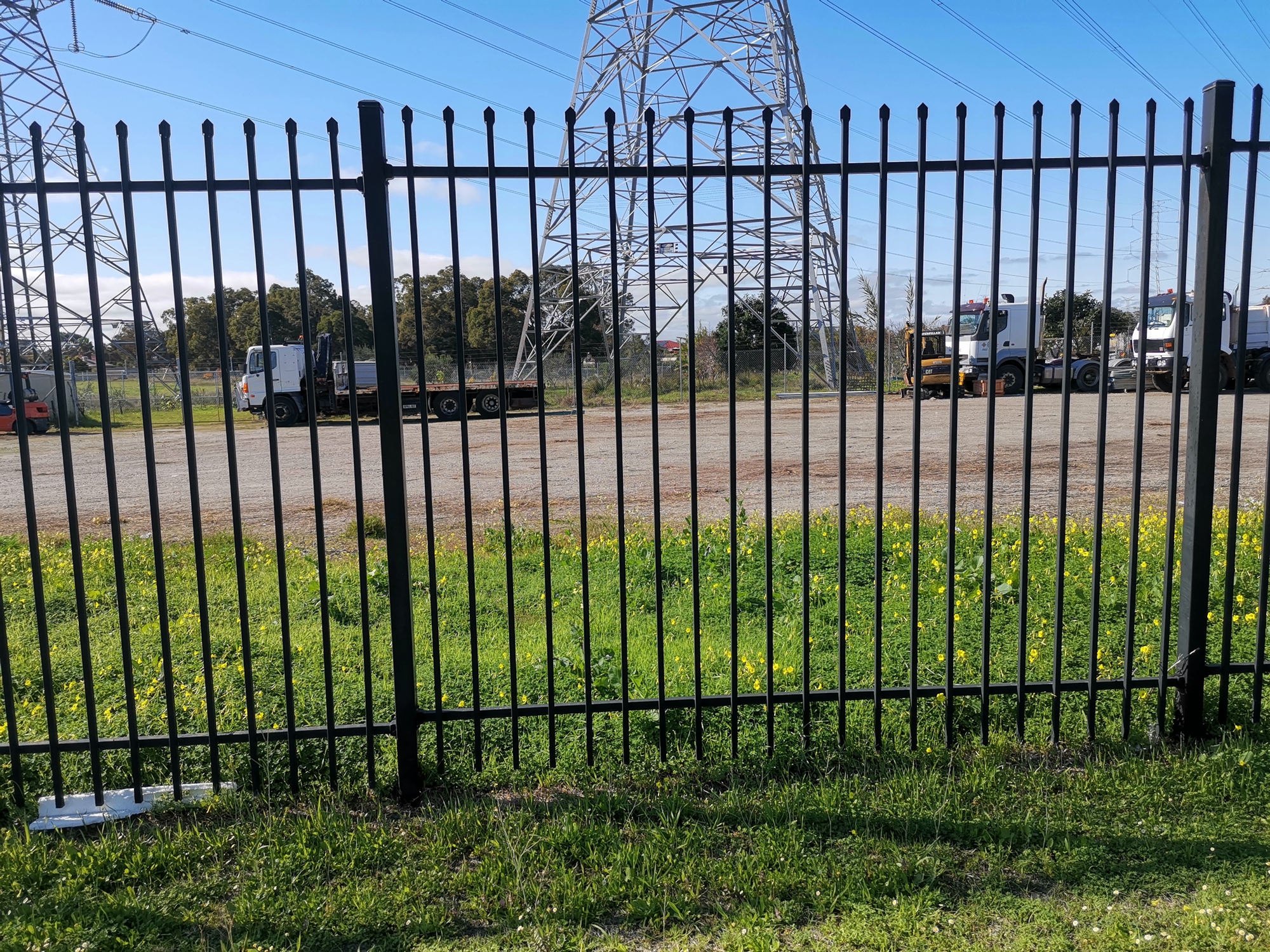
steel tubular fences combine robustness and neat appearance, ideal for many types of projects:
✅ Factory perimeter boundaries and warehouse enclosures
✅ Residential villa and community fencing
✅ Sports courts, playground and recreation zone barriers
✅ Municipal green belt and public facility separation
✅ Parking lot isolation fencing
✅ Commercial plaza perimeter protection
Practical Buying Tips
When sourcing steel tubular fences from Giant Fence, keep these practical points in mind:
Match tube specs with your site security requirements. High‑impact industrial locations should choose thicker wall tubes. Decorative residential fencing can adopt medium‑thickness tubing.
Confirm corrosion level of your project site, select the matching anti‑corrosion coating. Do not use one coating solution for all locations.
Check ground condition. Soft soil requires larger base plates or deeper post embedding to prevent tilting.
Support accessories should not be overlooked. Gate sets, base plates, fixing bolts and caps are all available from Giant Fence for a complete fencing system.
Request drawings and samples before mass production, especially for custom height, tube size or special color requirements.
Frequently Asked Questions
Q1: Does UNE‑EN‑10223‑7:2013 apply to steel tubular fences?
A1: UNE‑EN‑10223‑7:2013 is mainly designed for welded wire mesh fences. Giant Fence applies the same strict quality philosophy of this standard to our welding and coating control on steel tubular fences, to guarantee reliable welding quality and qualified coating weight.
Q2: Can steel tubular fences be installed along the seaside?
A2: Yes, but you have to select Giant Fence’s heavy‑duty anti‑corrosion coating option. Coastal sites are generally ISO 9223:2012 C4‑CX grade. Ordinary coating cannot resist salt spray corrosion effectively.
Q3: Are bolted tubular fences less strong than welded ones?
A3: Bolted designs are convenient for shipping and assembly. But for high‑security sites with frequent impact risk, welded steel tubular fences deliver better overall structural stability. Giant Fence will recommend the best connection method based on your usage scenario.
Conclusion
Choosing suitable steel tubular fences relies on evaluating tube dimensions, wall thickness, picket spacing, connection type and anti‑corrosion coating. These parameters together decide the strength, service life and total cost of your perimeter barrier.
Giant Fence maintains strict welding and coating quality controls for steel tubular fences, with anti‑corrosion coating plans guided by ISO 9223:2012 to serve C1‑C3 inland and C4‑CX coastal or heavy industrial environments.
If you are comparing specifications for your upcoming fencing project and need professional guidance, contact the Giant Fence team. Share your site environment, security needs and budget, and we will provide technical drawings, product samples and competitive quotations for your steel tubular fences.