


When choosing a Chain Link Fence, most buyers pay attention to wire diameter, mesh size, fence height and price. These are all important, but there is another detail worth checking before placing an order: the edge finish.
If you look closely at a Chain Link Fence, you will notice that the wire ends along the top and bottom edges can be finished in two different ways. Some are folded back into smooth loops, while others are twisted together with exposed pointed ends.
These are known as Knuckle Edge and Twist Edge.
The difference may look small, but it can make a difference in safety, security and the way the fence is used. So, which one should you choose?
At Giant Fence, we supply Chain Link Fence for residential, commercial, industrial and infrastructure projects. Let's take a closer look at these two edge styles and where each one makes the most sense.
What Are Knuckle Edge and Twist Edge on Chain Link Fence?
A Chain Link Fence is made by weaving steel wires together to form a diamond-shaped mesh. After weaving, the wire ends along the top and bottom need to be finished to keep the mesh in its required shape.
There are two common finishing methods.
Knuckle Edge: A Smooth and Safer Finish
A knuckle edge is formed by bending the wire ends back into small loops and interlocking them with the mesh.
This creates a relatively smooth edge without exposed sharp wire tips.
It is a popular choice for places where people may regularly come into contact with the fence, such as residential gardens, schools, playgrounds and sports facilities.
Another advantage is its neat appearance. The folded edges give the fence a more finished look, which is often preferred for public and residential applications.
Twist Edge: An Additional Physical Deterrent
A twist edge is made by twisting the wire ends together and leaving the tips projecting outward.
Unlike the smooth knuckle finish, these exposed wire ends create a more aggressive upper or lower edge.
This can make climbing over the fence less comfortable and provide an additional deterrent against unauthorized access.
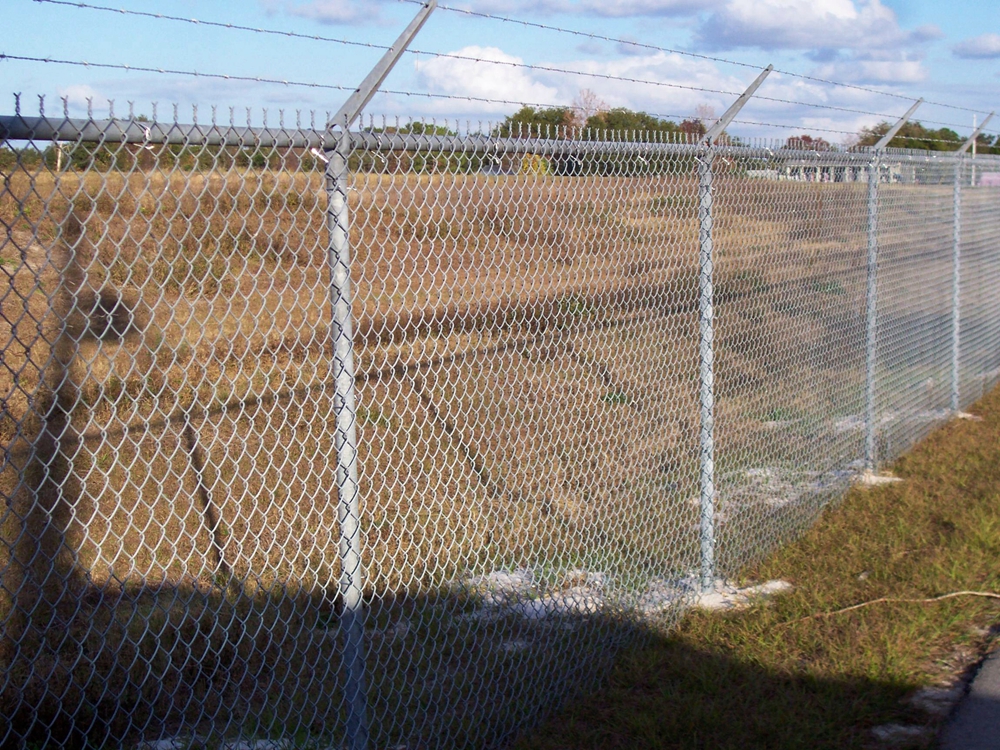
Twist-edge Chain Link Fence is commonly considered for warehouses, industrial sites, storage yards and restricted-access areas.
However, it is worth remembering that a twist edge alone does not make a fence high-security. Fence height, wire diameter, mesh opening and the supporting structure all matter.
Knuckle vs. Twist Edge: What Is the Difference?
The main difference is how the wire ends are finished and how that affects the fence in everyday use.
|
Feature |
Knuckle Edge |
Twist Edge |
|
Edge finish |
Folded and interlocked |
Twisted with exposed tips |
|
Surface |
Relatively smooth |
Pointed and uneven |
|
Contact safety |
More suitable for accessible areas |
Requires extra care |
|
Security |
General boundary protection |
Additional climbing deterrent |
|
Appearance |
Neat and simple |
More aggressive |
|
Typical applications |
Homes, schools, sports grounds |
Industrial sites, warehouses |
Neither option is automatically better. It really comes down to where the fence will be installed and who may come into contact with it.
Which Edge Style Is Better for Different Applications?
Residential Areas and Gardens
For residential fencing, safety and appearance usually come first.
People may walk alongside the fence, children may play nearby, and homeowners often need to carry out gardening or maintenance work around the boundary.
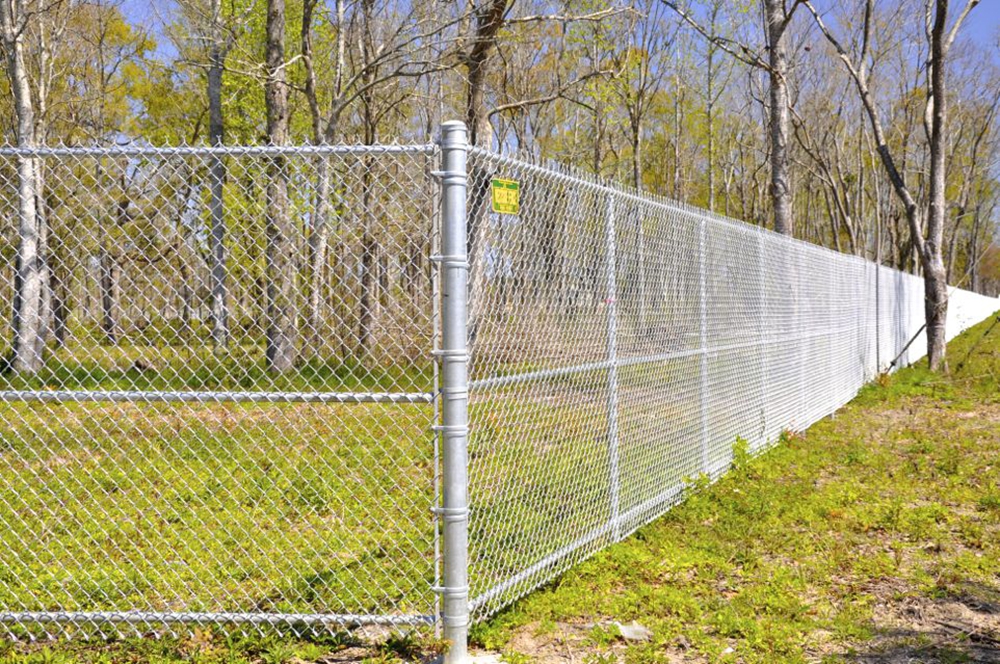
A knuckle-edge Chain Link Fence is generally the more practical option because it has fewer exposed sharp points.
For most residential applications, knuckle edges on both the top and bottom are a sensible choice.
Schools and Sports Facilities
Schools, playgrounds and sports grounds are places where people regularly move close to the fence.
Think about a tennis court or a school playground. Players may run alongside the mesh, and maintenance workers need to access the boundary from time to time.
A smooth knuckle finish helps reduce the risk of accidental scratches and makes the fence more suitable for these environments.
For this reason, K/K (Knuckle/Knuckle) is commonly considered for sports and public-use fencing.
Factories and Industrial Areas
Industrial projects often have different priorities.
For warehouses, factories and storage yards, the fence may need to discourage unauthorized access in addition to marking the site boundary.
In these cases, a twist edge can provide an additional physical deterrent.
Some customers prefer a combination of both finishes: a knuckle edge at the bottom and a twist edge at the top. This gives the lower section a smoother finish while retaining the deterrent effect along the upper edge.
The final arrangement should still consider local safety requirements and the possibility of people accessing the fence.
What Do K/K, K/T and T/T Mean?
If you have received a Chain Link Fence quotation, you may have come across these abbreviations.
They are simply used to describe the finishing method on the two edges of the mesh.
K/K (Knuckle/Knuckle): Both the top and bottom edges have a smooth folded finish. Commonly used for residential, school and sports applications.
K/T (Knuckle/Twist): One edge is knuckled and the other is twisted. Often considered for industrial and commercial perimeter fencing.
T/T (Twist/Twist): Both edges have twisted wire ends. This may be selected for certain restricted-access applications.
One small point is worth confirming when ordering: which edge will face upward after installation?
Especially when purchasing fence rolls, it is better to specify the top and bottom edge requirements clearly rather than relying only on the K/T abbreviation.
Does Edge Treatment Affect the Strength of Chain Link Fence?
Not as much as you might think.
The overall strength of a Chain Link Fence mainly depends on wire diameter, steel quality, mesh opening, tensioning and the supporting posts.
A twist edge provides additional deterrence against climbing, but it does not automatically make the entire fence stronger than a knuckle-edge product.
For example, a properly tensioned fence made with thicker wire may offer better overall structural performance than a lighter fence with twisted edges.
If your project requires stronger perimeter protection, it is better to evaluate the complete fence specification instead of focusing only on the edge finish.
What About Galvanizing and Corrosion Protection?
Edge finishing is only one part of a Chain Link Fence specification. If the fence will be installed outdoors, corrosion protection deserves just as much attention.
A fence in a dry inland area does not face the same conditions as one near the sea or inside a heavily polluted industrial zone.
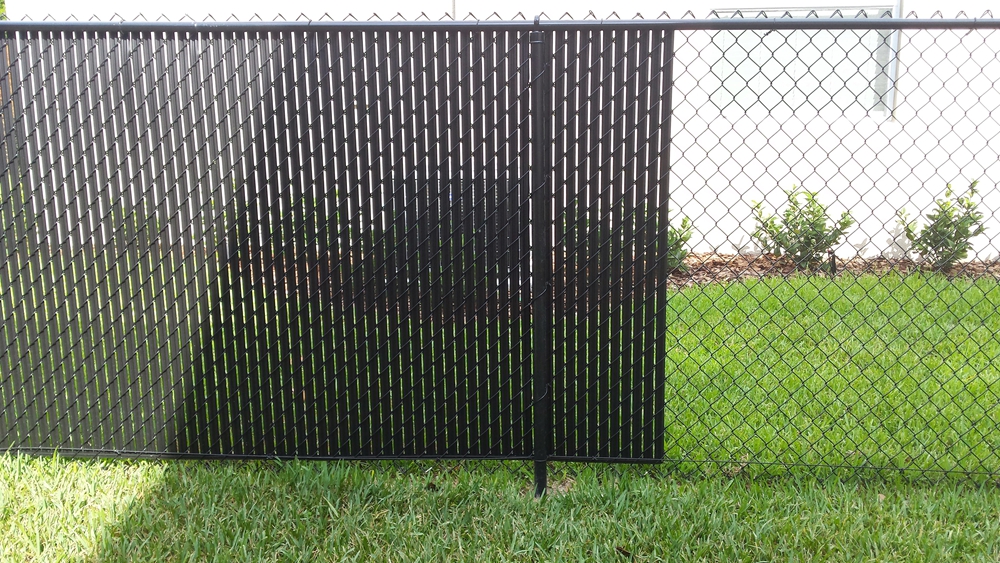
At Giant Fence, we consider the installation environment when recommending galvanized and PVC-coated fencing solutions.
For environmental assessment, we refer to ISO 9223:2012, which provides an atmospheric corrosivity classification from C1 to CX.
C1–C3: Low to medium corrosivity. These categories cover many inland environments. Depending on local conditions, galvanized wire or PVC coating may be suitable.
C4–CX: High to extreme corrosivity. Coastal areas and heavily polluted industrial environments may require higher zinc coating weights or more advanced protective coating systems.
The right coating depends on the actual environment, expected service life and project requirements.
For manufacturing quality, Giant Fence follows UNE-EN-10223-7:2013 for its welded mesh fencing products, with production controls covering steel wire materials, coating weight and welding processes. This standard relates to welded steel wire mesh fencing rather than the edge-forming process of woven Chain Link Fence.
How Long Can a Chain Link Fence Last?
There is no single service life that applies to every galvanized or PVC-coated fence.
Under ideal conditions, with proper installation and no external damage, different coating systems can achieve their corresponding theoretical durability periods.
Actual performance depends on atmospheric exposure, zinc coating weight, additional coating quality, installation and maintenance.
ISO 9223:2012 helps identify the corrosivity of the installation environment. It should be used as a reference for selecting a suitable protection system, not as a guarantee of a fixed number of service years.
For coastal and industrial projects, confirming the coating specification before production is always a better approach than choosing a product based on appearance alone.
What Should You Check Before Ordering Chain Link Fence?
Before comparing prices, make sure the specifications are actually the same.
Here are the main details worth confirming:
1.Wire Diameter: Common options include 2.5 mm, 3.0 mm, 3.5 mm and 4.0 mm, depending on the application.
2.Mesh Opening: Common sizes include 50 × 50 mm, 60 × 60 mm and 75 × 75 mm.
3.Fence Height and Roll Length: Confirm the required dimensions and total perimeter length.
4.Edge Finish: Specify K/K, K/T or T/T, including which edge will be installed at the top.
5.Surface Treatment: Confirm the zinc coating weight and whether PVC coating or another protective finish is required.
6.Accessories: Check whether posts, tension wires, tension bars, clamps, brackets and gates are included.
7.Packing and Delivery: Confirm the roll packaging, loading method and transportation requirements.
These details can have a real impact on installation and long-term performance. A lower quotation is not necessarily a better deal if important specifications or accessories are missing.
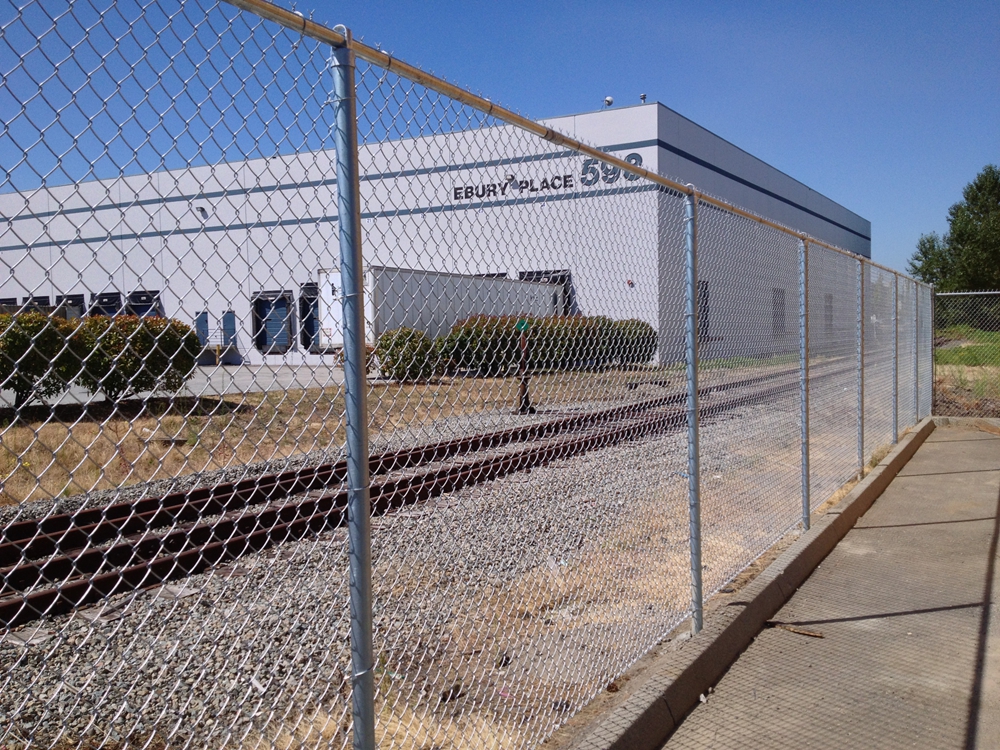
Choosing the Right Chain Link Fence with Giant Fence
So, which edge should you choose?
If safety and everyday contact are your main concerns, knuckle edges are generally the better option.
If you need additional climbing deterrence for an industrial or restricted area, twist edges may be worth considering.
And if your project needs both, a knuckle-bottom and twist-top combination can offer a practical balance.
At Giant Fence, we believe a good fencing solution starts with understanding how the fence will actually be used. The right wire diameter, mesh opening, edge finish and corrosion protection should all work together.
Whether you are a fencing distributor, contractor or project owner, our team can help you review your requirements and select a suitable Chain Link Fence specification.
Planning your next fencing project?
Send us your required dimensions, wire diameter, mesh size, edge finish and installation location. Giant Fence can help you find a practical fencing solution, from the mesh itself to matching posts and accessories.
Getting the small details right at the beginning can save a lot of trouble later.
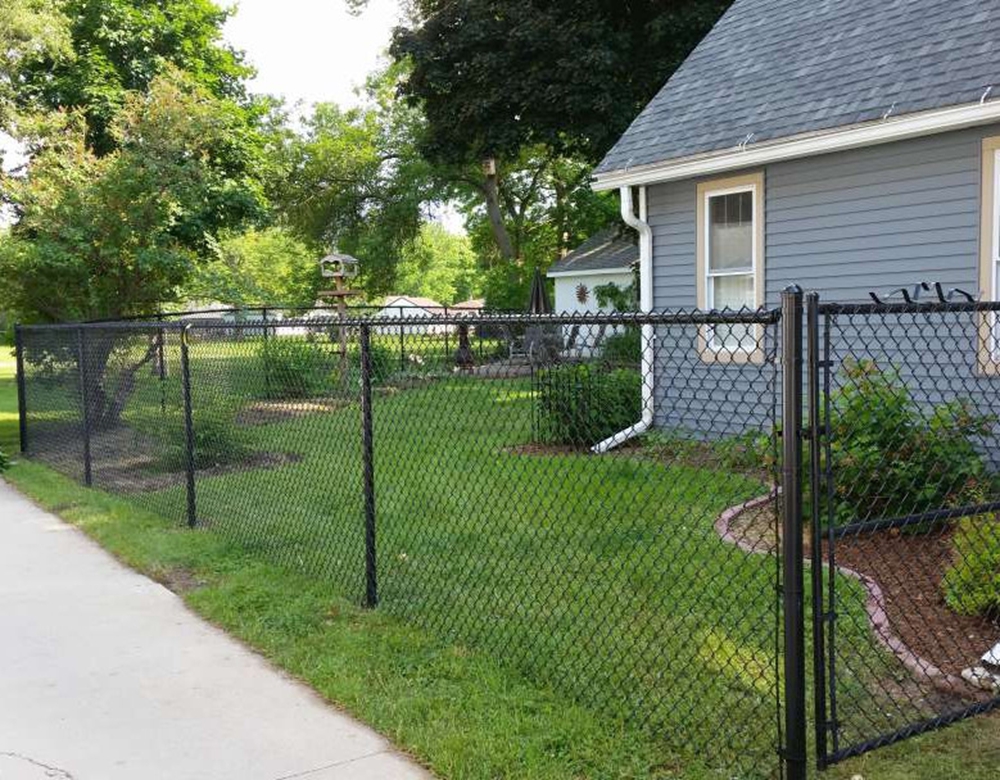
Frequently Asked Questions About Chain Link Fence Edges
Q1: What is the main difference between knuckle and twist edges?
A1: Knuckle edges have wire ends folded into smooth loops, while twist edges have wire ends twisted together with exposed projecting tips.
Q2: Which edge is better for residential Chain Link Fence?
A2: Knuckle edges are generally preferred because they provide a smoother finish and reduce the risk of accidental scratches.
Q3: What does K/T mean on a Chain Link Fence quotation?
A3: K/T means Knuckle/Twist. One edge is folded, while the other is twisted. Buyers should confirm which edge will face upward after installation.
Q4: Does twist-edge fencing provide better security?
A4: It provides an additional physical deterrent against climbing, but overall security also depends on fence height, wire diameter, mesh opening and supporting structure.
Q5: Can Chain Link Fence be galvanized and PVC-coated?
A5: Yes. Galvanized and PVC-coated options are available. The coating should be selected according to the installation environment and required corrosion protection.
Q6: Which corrosion standard should buyers consider?
A6: ISO 9223:2012 provides atmospheric corrosivity classifications from C1 to CX and can help guide coating selection for different inland, coastal and industrial environments.
Q7: Can Giant Fence customize Chain Link Fence specifications?
A7: Yes. Giant Fence can supply different wire diameters, mesh openings, roll dimensions, K/K, K/T and T/T edge finishes, as well as galvanized and PVC-coated options.