



Construction projects rarely stay in one place forever. Sites change, work areas expand, and temporary boundaries often need to be moved or removed as projects progress.
For Australian contractors and construction companies, choosing the right fencing system is not just about securing a site. It is also about controlling installation costs, reducing labour, and making the most of materials that may be needed again on the next project.
This is why Australian Temporary Fence systems are widely used across construction sites, infrastructure projects, events, and commercial developments.
But what makes temporary fencing a cost-effective investment? Let's look at the practical advantages and what buyers should consider before ordering.
1. What Is Australian Temporary Fence?
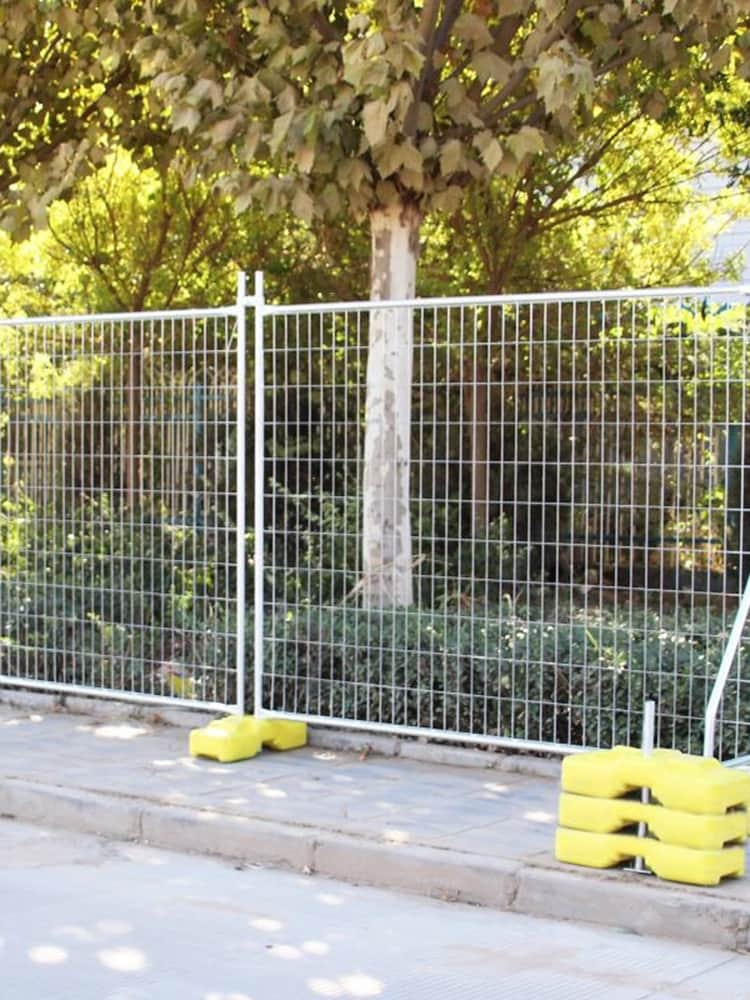
Australian Temporary Fence is a portable fencing system designed to create temporary boundaries around construction sites, restricted areas, and public spaces.
A typical system consists of:
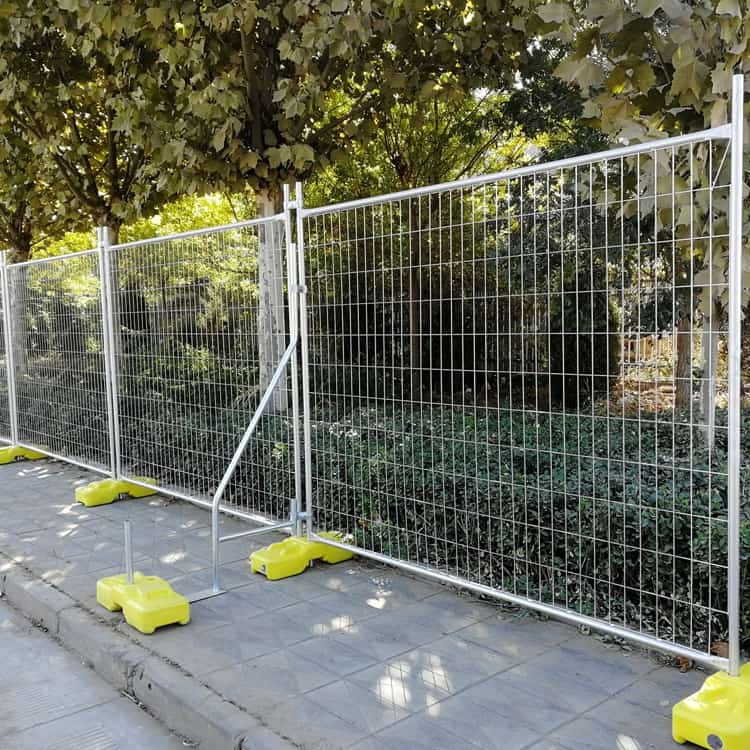
· Welded mesh panels: Provide the main physical barrier.
· Steel frame: Supports the mesh and maintains panel shape.
· Plastic or concrete feet: Support the panels on the ground.
· Clamps: Connect adjacent panels.
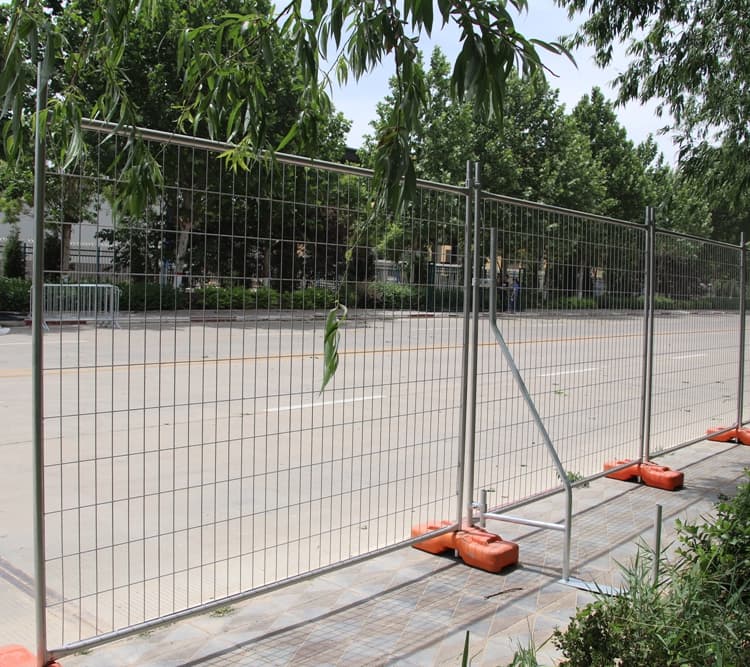
· Braces and accessories: Provide additional support where required.
Unlike permanent fencing, temporary fence panels can be assembled, dismantled, transported, and reused at different locations.
Australian-style temporary fencing is commonly supplied in modular panel configurations, making it practical for contractors managing multiple projects.
2. Why Is Temporary Fencing Cost-Effective?
The biggest advantage of temporary fencing is not simply its initial price. It is the savings it can provide throughout different stages of a project.
2.1 Reusable Panels Reduce Long-Term Costs
One of the main reasons contractors choose temporary fencing is that panels can be reused.
After a construction project is completed, the panels can be dismantled, stored, and transported to another site.
For construction companies and rental businesses, this helps spread the initial investment across multiple projects instead of purchasing new fencing every time.
2.2 Faster Installation Saves Labour Costs
Temporary fence panels are designed for modular installation.
Workers can position the panels, install the feet, and connect adjacent sections using suitable clamps and accessories.
Compared with permanent fencing systems that may require excavation and concrete foundations, temporary fencing can reduce installation time for suitable site conditions.
Less installation work can mean lower labour costs and faster site preparation.
2.3 Flexible Layouts Reduce Material Waste
Construction sites rarely have identical layouts.
Temporary fence panels can be rearranged to accommodate changing boundaries, access points, storage areas, and work zones.
Instead of designing a completely new fence system for every project, contractors can reuse existing panels and adjust the configuration as needed.
2.4 Easier Transportation and Storage
Portable panels are designed to be moved between locations.
When properly stacked and packed, they can be transported in bundles and stored for future use.
For businesses managing large quantities, efficient loading, stacking, and storage can make a noticeable difference to operating costs.
3. What Factors Affect the Cost of Australian Temporary Fence?
Not all temporary fencing systems have the same price or long-term value.
Several specifications influence the initial purchase price and overall operating cost.
|
Factor |
How It Affects Cost |
|
Panel dimensions |
Influences material consumption |
|
Wire diameter |
Affects material weight and panel rigidity |
|
Mesh opening |
Changes mesh configuration and wire usage |
|
Frame tube size |
Influences structural design and material cost |
|
Surface treatment |
Affects corrosion protection and finishing costs |
|
Feet and clamps |
Adds to the complete system cost |
|
Packaging |
Influences transportation and storage efficiency |
Wire and Frame Specifications
The mesh and surrounding steel frame work together to support the panel.
Wire diameter, frame tube dimensions, welding quality, and connection details should be considered together.
Choosing a panel simply because it is cheaper or heavier does not automatically mean it offers better value.
Surface Treatment
Temporary fencing is frequently exposed to outdoor conditions.
Common options include galvanized wire, galvanized steel components, and additional paint or powder-coated finishes where specified.
The appropriate treatment depends on the product design, expected reuse, storage conditions, and project requirements.
4. Australian Standards and Site Safety Considerations
For Australian projects, compliance requirements should be checked before purchasing temporary fencing.
AS 4687 is an important Australian standard covering temporary fencing and hoardings. Buyers should confirm the applicable edition, scope, and project-specific requirements with the responsible engineer or relevant authority.
When evaluating a temporary fence system, pay attention to:
· Panel dimensions and construction.
· Mesh and frame specifications.
· Connection and fixing arrangements.
· Base and support configurations.
· Stability under applicable site and environmental conditions.
· Relevant testing and documentation.
Why Does Stability Matter?
A temporary fence may be lightweight and portable, but it still needs to remain stable during use.
Wind exposure, ground conditions, panel height, base design, and barrier arrangement can all influence stability.
For exposed construction sites, additional bracing or other support measures may be required according to the site assessment and applicable requirements.
A standard temporary fence panel should not automatically be assumed suitable for every wind condition or public safety application.
5. Where Is Australian Temporary Fence Commonly Used?
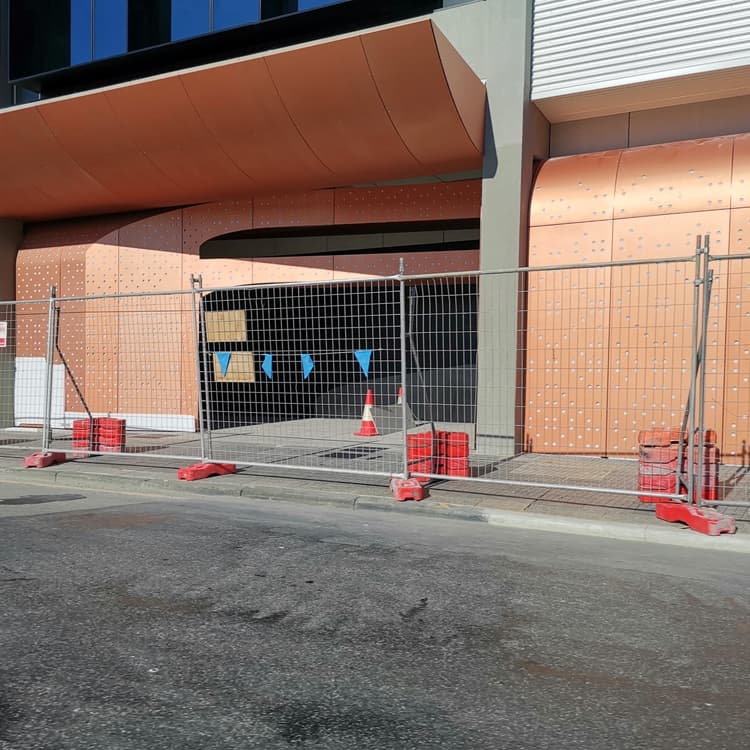
Temporary fencing is used across different Australian industries because it provides flexible site separation.
|
Application |
Main Purpose |
|
Construction Sites |
Restrict access and define work areas |
|
Infrastructure Projects |
Separate construction zones |
|
Roadworks |
Guide pedestrians around restricted areas |
|
Events and Festivals |
Organize temporary boundaries |
|
Commercial Developments |
Protect storage and working areas |
|
Demolition Sites |
Restrict access to hazardous areas |
For projects involving public access, pedestrian protection, or higher-risk environments, the complete site safety plan should determine the appropriate fencing arrangement.
6. Buying Guide for Australian Distributors and Contractors
When sourcing Australian Temporary Fence in bulk, the cheapest panel is not always the most economical option.
Before requesting a quotation, confirm:
1. Panel dimensions: Required height and width.
2. Mesh specifications: Wire diameter and mesh opening.
3. Frame specifications: Tube dimensions and wall thickness.
4. Surface treatment: Galvanizing and any additional coating.
5. Feet: Plastic or concrete, including dimensions and weight.
6. Clamps: Compatibility with the selected panel system.
7. Additional accessories: Braces, gates, and other fixing components.
8. Packaging: Bundle size, stacking method, and container loading.
9. Standards: Required Australian standards and supporting documentation.
10. Quantity and delivery: Total panel requirements, destination, and delivery schedule.
For importers and rental companies, it is particularly important to compare the complete system rather than purchasing panels, feet, and clamps separately without checking compatibility.
A clear specification also helps manufacturers prepare accurate quotations and avoid unnecessary changes during production.
7. Why Choose Giant Fence?
Hebei Giant Metal Technology Co., Ltd. (Giant Fence) is an integrated metal fencing manufacturer and exporter, supplying fencing products and related solutions to international markets.
With experience in welded wire mesh manufacturing, steel frame fabrication, and surface treatment, Giant Fence supports temporary fencing requirements for construction, infrastructure, and commercial applications.
For Australian Temporary Fence projects, buyers can discuss:
· Customized panel dimensions and configurations.
· Wire diameter and mesh opening requirements.
· Steel frame and tube specifications.
· Galvanized and additional coating options.
· Compatible feet, clamps, and accessories.
· Bulk production and export packaging arrangements.
For projects requiring AS 4687 compliance, the applicable technical requirements and supporting test documentation should be confirmed before ordering.
Our focus is to understand the customer's project requirements first and help identify a suitable product configuration.
8. Frequently Asked Questions About Australian Temporary Fence
Q1: Why is temporary fencing more economical than permanent fencing?
Temporary fencing can be dismantled and reused at different locations. This helps contractors reduce repeated purchasing and installation costs across multiple projects.
Q2: Can Australian temporary fence panels be reused?
Yes. Properly maintained panels can be dismantled, stored, and reused. Their condition should be inspected before each new installation.
Q3: What is the typical material used for temporary fence panels?
Temporary fence panels commonly use welded steel wire mesh with a steel tubular frame. The exact wire and tube specifications vary by product and project requirements.
Q4: Does Australian temporary fencing need to meet AS 4687?
Where AS 4687 is specified or applicable, the selected system should meet the relevant requirements. Buyers should confirm the applicable edition, testing scope, and supporting documentation.
Q5: Can Giant Fence supply temporary fencing with feet and clamps?
Complete system configurations can be discussed, including panels, feet, clamps, and other compatible accessories. Requirements should be confirmed before quotation.
Conclusion
Australian Temporary Fence offers a practical and cost-effective solution for projects that need temporary site protection and flexible boundary management.
Its main advantages come from reusability, quick installation, convenient transportation, and adaptable layouts.
However, long-term value depends on choosing the right panel specifications, frame structure, surface treatment, accessories, and installation arrangement.
For distributors, contractors, and rental companies, evaluating the complete system rather than simply comparing panel prices can lead to better purchasing decisions.
Looking for Australian Temporary Fence for your next construction or infrastructure project? Contact Giant Fence with your required specifications, estimated quantities, and project details. Our team can help review your requirements and discuss a suitable temporary fencing solution.