


Whether it's a concert, a sports event, a construction site or a busy public area, keeping people moving in the right direction takes more planning than you might think. You need to manage queues, separate restricted areas and guide visitors without making the space feel crowded.
That's where a Crowd Control Barrier comes in.
At first glance, most barriers look quite similar. But frame design, steel thickness, base style and connection methods can make a real difference to how they perform.
At Giant Fence, we supply metal fencing and barrier solutions for different commercial, industrial and public applications. Here are a few things worth considering before choosing a Crowd Control Barrier for your project.
What Is a Crowd Control Barrier?
A Crowd Control Barrier is a portable metal barrier used to guide pedestrian movement, manage queues and separate public or restricted areas.
It is commonly used at concerts, festivals, sporting events, exhibitions, construction sites and public gatherings.
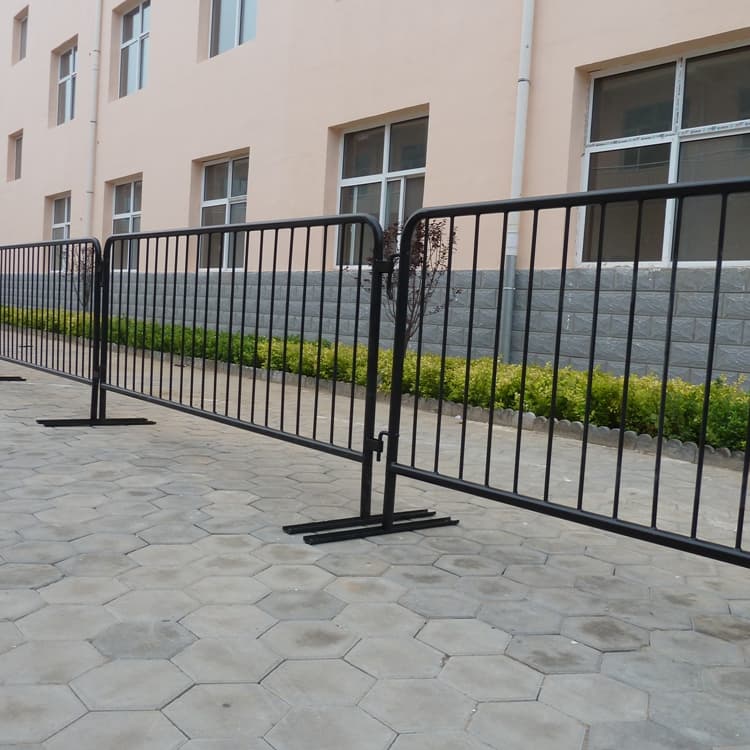
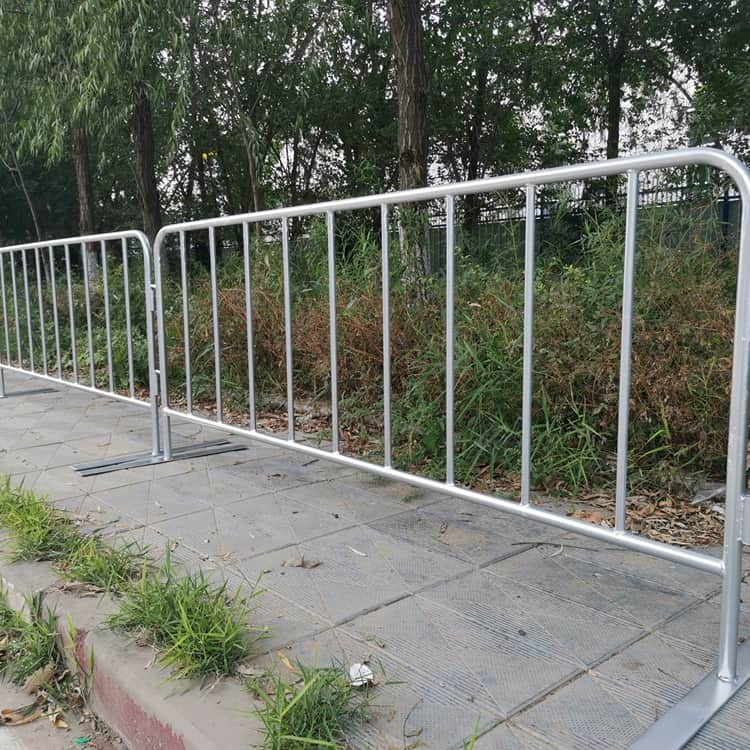
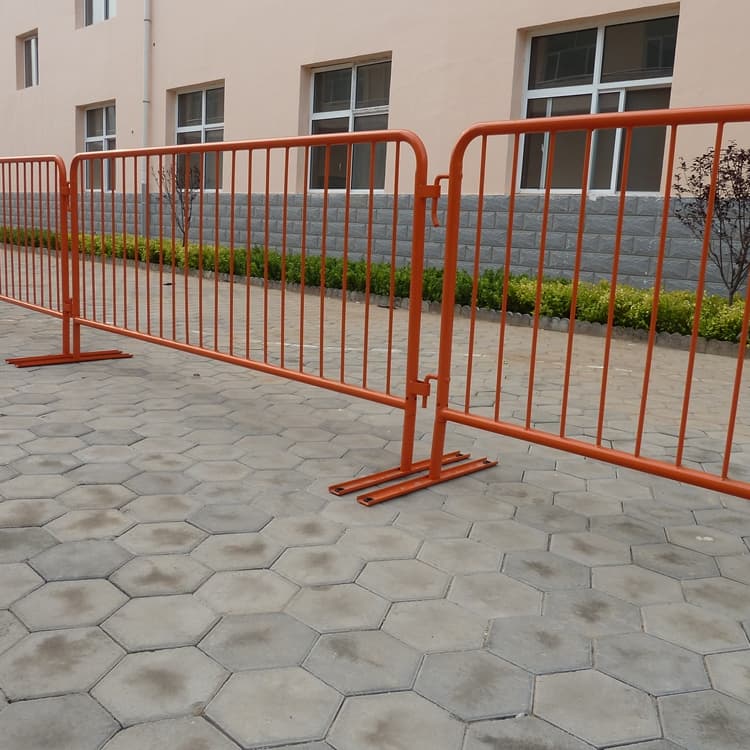
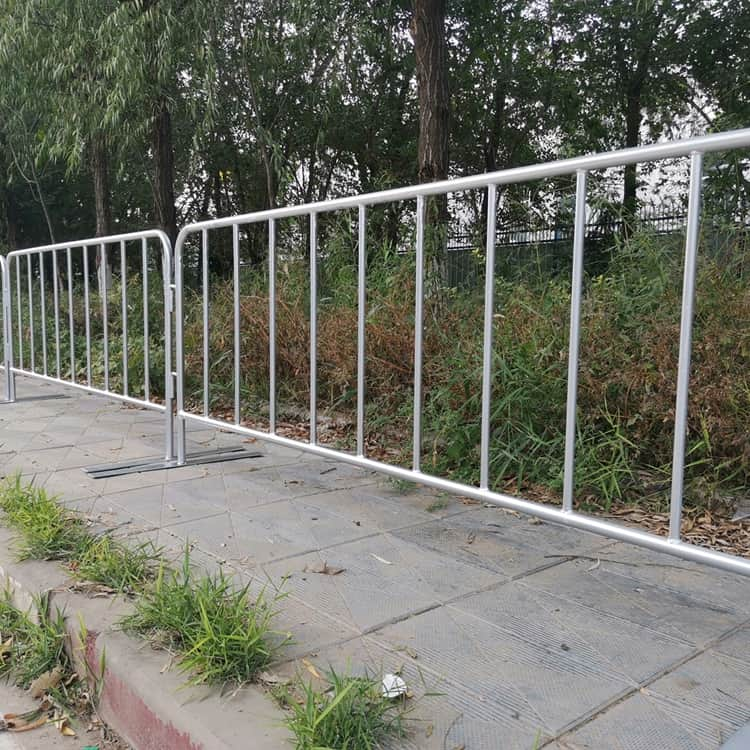
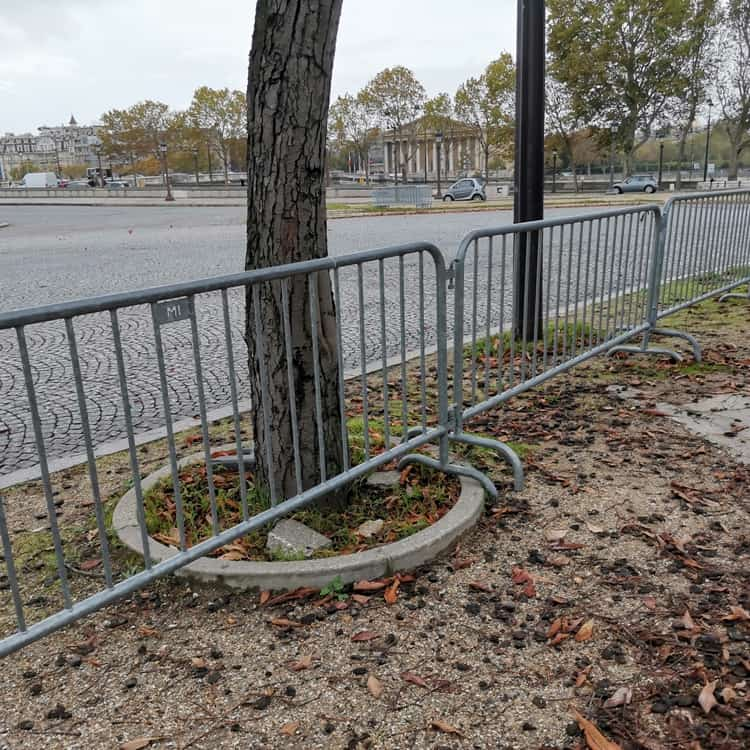
A typical steel barrier consists of a main frame, infill bars or welded mesh, supporting feet and connecting hooks. Some designs use horizontal tubes, while others feature welded wire mesh panels.
The right design depends on where the barrier will be used and how often it needs to be moved.
Which Type of Crowd Control Barrier Should You Choose?
1. Standard Pedestrian Barriers
These usually feature a tubular steel frame with horizontal bars and vertical supports.
They are widely used for concerts, exhibitions, queue management and temporary pedestrian separation. Their simple construction makes them easy to move, connect and store.
2. Mesh Crowd Control Barriers
These barriers use welded wire mesh inside a steel frame.
The mesh creates a more enclosed boundary and is useful for construction sites, temporary work areas and public facilities where a clearer physical separation is needed.
Wire diameter, mesh opening and frame strength should be selected according to the application.
3. Heavy-Duty Crowd Control Barriers
For busy outdoor events and demanding working environments, stronger frames, more stable feet and reliable connection systems may be necessary.
However, heavier does not always mean better. The complete structure should match the expected loading conditions and intended use.
What Should You Consider for Different Applications?
Concerts and festivals: Easy handling, quick connections and stable positioning are important. For high-density crowds, use barriers specifically designed and verified for crowd-pressure conditions.
Sports events: Barriers should help organize entrances, spectator routes and restricted areas while maintaining a neat appearance.
Construction sites: Frame strength, base stability and resistance to repeated handling deserve attention. For serious site protection, a dedicated temporary fence may be more suitable.
Public areas and exhibitions: Lightweight designs, practical connections and floor-friendly feet can make daily use much easier.
Which Specifications Should You Check?
Before comparing quotations, look beyond the overall dimensions.
Frame diameter and thickness: These affect structural rigidity, weight and durability. Choose according to the intended application rather than simply selecting the thickest option.
Barrier dimensions: Confirm the height, length and foot dimensions. Longer barriers may cover more ground but can be harder to transport and handle.
Mesh and wire specifications: For mesh-type barriers, wire diameter and mesh opening affect the infill structure and appearance. Welded joints and exposed edges should also be checked.
Feet and connections: The feet should provide suitable support for the ground conditions, while connecting hooks should allow barriers to form a continuous line without unnecessary difficulty.
What Surface Treatment Is Best for Outdoor Use?
Crowd Control Barriers used outdoors are exposed to rain, humidity and sometimes industrial pollution or coastal air. Without suitable corrosion protection, rust can become a maintenance problem.
At Giant Fence, we consider the installation environment when recommending galvanized and powder-coated solutions.
We use ISO 9223:2012 as a reference for atmospheric corrosivity classification:
C1–C3: Low to medium corrosivity, covering many inland environments. Suitable galvanized or powder-coated systems can be considered according to actual conditions.
C4–CX: High to extreme corrosivity, including demanding coastal and industrial environments. Higher zinc coating weights or more protective coating systems may be required.
Our welded mesh fencing products are manufactured in accordance with UNE-EN-10223-7:2013, with production controls covering steel wire materials, coating weight and welding processes. For mesh-type Crowd Control Barriers, these requirements can apply to the relevant welded mesh components.
The complete barrier, including its frame and accessories, should also be checked against the approved product specifications.
How Long Can a Crowd Control Barrier Last?
There is no fixed service life for every barrier. Under ideal conditions, with proper installation and handling and no external coating damage, different coating systems can achieve their corresponding theoretical durability periods.
Actual performance depends on atmospheric exposure, coating quality, storage, handling and maintenance. ISO 9223:2012 helps assess environmental corrosivity, but does not guarantee a specific number of service years.
How Does Giant Fence Control Product Quality?
A reliable barrier starts with suitable materials and consistent manufacturing.
At Giant Fence, production may include steel tube cutting, frame forming, wire mesh welding, component assembly, surface treatment and final inspection.
For mesh-type products, attention is given to wire diameter, mesh dimensions, welding quality and coating requirements. Frames, feet and connecting components are checked against the approved specifications.
For export orders, proper packing is equally important to reduce scratching, deformation and coating damage during transportation.
What Should You Confirm Before Ordering?
Before requesting a quotation, prepare the following information:
1. Application: event, construction site, public area or industrial use.
2. Required barrier height and length.
3. Tubular or welded mesh design.
4. Frame diameter and wall thickness.
5. Base and connection style.
6. Indoor or outdoor installation environment.
7. Surface treatment and required quantity.
If the barriers will be exposed to crowd pressure, make sure the expected loading conditions and relevant safety requirements are clearly defined.
Find the Right Crowd Control Barrier with Giant Fence
The best Crowd Control Barrier is not necessarily the heaviest or most expensive one. Event organizers may prioritize easy handling, while construction contractors may need stronger frames and more stable bases.
The key is choosing a design that fits the actual application.
At Giant Fence, we help customers review barrier dimensions, material specifications, mesh designs and corrosion protection requirements to find a practical solution.
Planning your next barrier project?
Send us your required dimensions, quantity, preferred design and project location. Our team will help you review the specifications and recommend a suitable Crowd Control Barrier solution.
Frequently Asked Questions
Q1: What is a Crowd Control Barrier used for?
A1: It is used to manage pedestrian movement, organize queues and separate restricted areas at events, construction sites and public facilities.
Q2: What is the difference between tubular and mesh barriers?
A2: Tubular barriers use horizontal and vertical steel bars, while mesh barriers have welded wire infill for a more enclosed boundary.
Q3: Can Crowd Control Barriers be used outdoors?
A3: Yes. Galvanized or galvanized-plus-powder-coated options can be selected according to the installation environment.
Q4: Can Giant Fence customize Crowd Control Barriers?
A4: Yes. Dimensions, frame specifications, mesh design, feet, connections and coating options can be discussed according to project requirements.
Q5: Which standards are relevant to corrosion protection?
A5: ISO 9223:2012 provides atmospheric corrosivity classifications from C1 to CX, helping guide the selection of suitable coating systems.
Q6: Does UNE-EN-10223-7:2013 apply to Crowd Control Barriers?
A6: It applies to welded steel wire mesh components, not automatically to the complete tubular barrier system. The frame and other components should be assessed against their respective specifications.