



Introduction
Roll top fences, also known as curved top or loop top security fences, are widely adopted perimeter fencing for schools, parks, commercial premises, residential compounds and industrial sites. Recognisable by the rolled circular top edge, this design eliminates sharp exposed bar ends while maintaining reliable anti-climb performance. Many contractors and project owners overlook fence height selection, which leads to insufficient security, overspending or non-compliance with local planning regulations.
Improper height selection is a common pitfall. A fence that is too low fails to stop trespassing; excessive height brings extra material costs, complex installation and even planning permission issues. Besides security requirements, buyers also need to consider site usage, local building codes, CCTV sightlines and public safety.
Giant Fence supplies customized roll top fences for global projects. All mesh panels, posts and hardware comply with UNE‑EN‑10223‑7:2013. We control wire diameter, welding quality and coating performance, and provide ISO 9223:2012 graded anti-corrosion options. With proper installation and without severe vandalism or heavy impact, our roll top fencing can reach its expected service life.
This guide helps specifiers, contractors and distributors select suitable heights for roll top fences, covering security levels, typical height options, compliance factors, site considerations and procurement advice.
Why Fence Height Matters for Roll Top Fences
The roll top curved edge already raises the difficulty of climbing, but height is the primary factor defining overall perimeter security.
Trespass prevention: Lower heights are easy to step over. Taller roll top fences increase climbing time and risk of detection.
Regulatory compliance: Many regions set mandatory height limits for schools, public areas and residential boundaries. Wrong height may cause project rejection.
Cost control: Height directly affects wire consumption, panel size, post specification, transport and installation expense. Unnecessary extra height wastes budget.
Visual & surveillance performance: Too tall may block CCTV and natural sightlines; too short loses privacy and security.
Wind load stability: Larger panels need thicker posts and closer post spacing. Higher roll top fences require reinforced support structure.
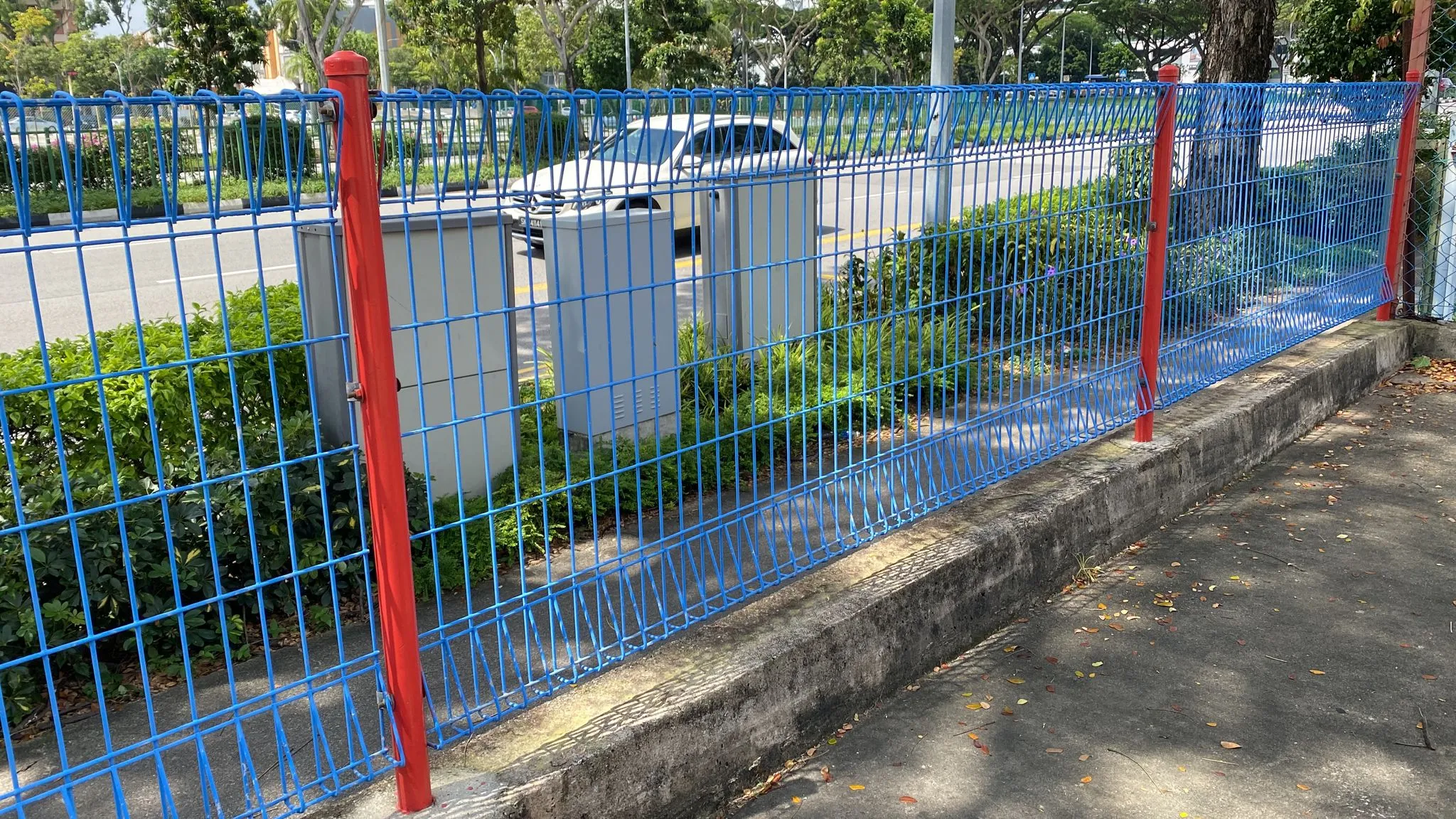
Standard Height Options & Recommended Application of Roll Top Fences
1.0m – 1.2m (Low Height / Boundary Marking)
Suitable for landscape separation, park borders, garden demarcation, pedestrian area partition.
Security level: Low. Not for anti-trespass. Main purpose is visual boundary definition.
Notes: Ideal for public green spaces, playground decorative separation; cannot protect assets or prevent intrusion.
1.5m (Medium Low, Public Area Safety)
Typical for school playground edges, community garden boundaries, pedestrian walkway separation.
Security level: Basic anti-climb. Discourage casual crossing but cannot stop determined intruders.
Notes: Widely used where injury risk reduction is required; roll top design prevents cuts for children and passers-by.
1.8m (Most Popular General Security Height)
The most commonly specified size for commercial yards, car parks, factory non-critical boundaries, residential compound perimeter.
Security level: Medium security. Effective against ordinary trespassers. Balances cost, stability and protection.
Notes: Best-selling height for bulk wholesale projects; compatible with standard posts and accessories.
2.0m (Medium-High, Industrial & Public Facility)
Recommended for warehouses, logistics yards, municipal facilities, hospital outer perimeters.
Security level: Medium-high. Greatly reduces the risk of unauthorised climbing.
Notes: Need to check local planning rules; taller panels require reinforced posts to resist wind deflection.
2.4m (High Security for Restricted Zones)
For industrial restricted zones, utility sites, storage yards requiring strict access control.
Security level: High. Strong deterrence against climbing and trespassing.
Notes: Often combined with anti-tamper bolts; may need official approval in some regions.
2.7m / 3.0m (Extra High, Critical High-Security Sites)
For substations, port perimeters, bonded zones and high-value asset areas.
Security level: Very high. Maximum physical barrier effect.
Notes: Higher wind load, must use heavy-duty posts, thicker wire mesh and dense post spacing. Razor wire brackets can be added for further upgrade.
Typical application scenarios for roll top fences:
✅ Primary & secondary school campuses, playgrounds
✅ Public parks, green belts and pedestrian zones
✅ Residential estates and apartment compound boundaries
✅ Commercial plazas, parking lots and retail premises
✅ Light industrial factories and storage yards
✅ Hospitals, community service centres
✅ Transport depots and municipal public facilities
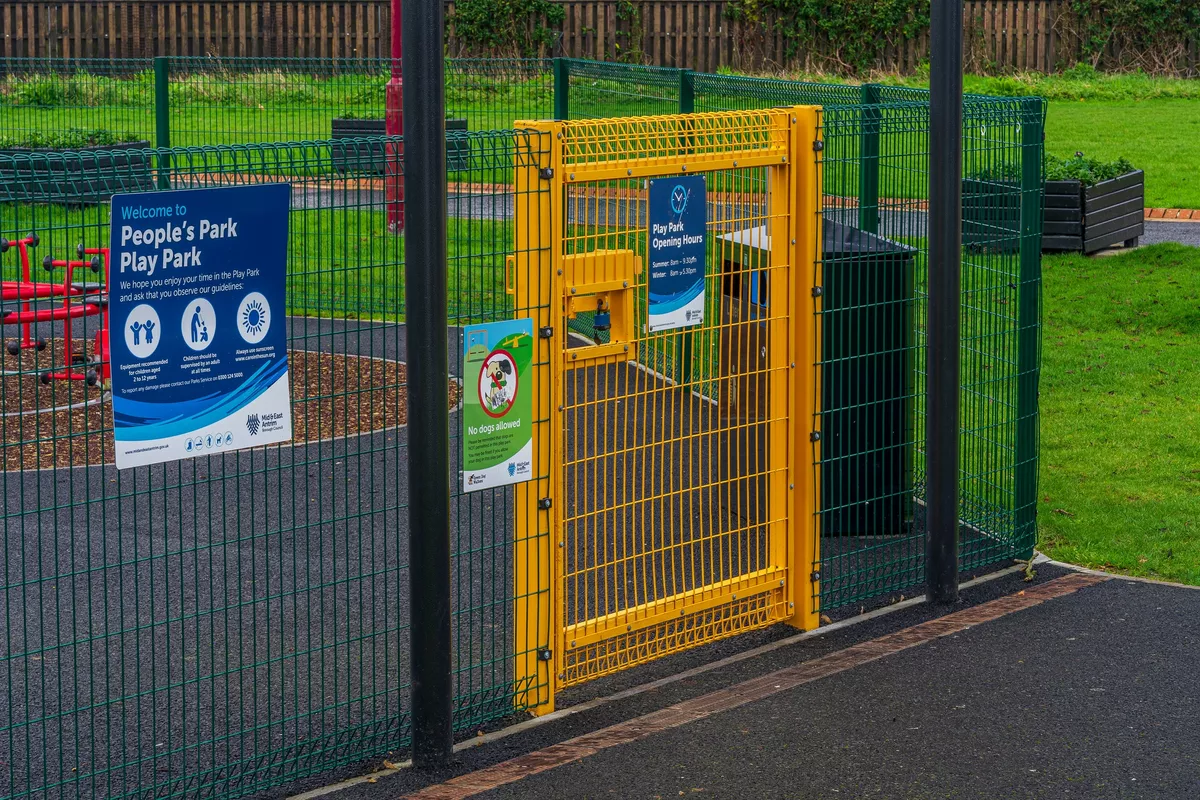
Key Factors to Select Roll Top Fence Height
1. Project Security Objective
Define whether you only need boundary marking, basic deterrence or strict anti-intrusion.
Simple separation: 1.0–1.2m
Prevent casual trespassing: 1.5–1.8m
Restrict unauthorised access: 2.0–2.4m
High-value asset protection: 2.7–3.0m
2. Local Planning & Safety Regulations
Many countries and municipalities have height restrictions for fences near public roads, schools and residential areas. Some high fences need planning approval. Confirm local codes before finalising roll top fences dimensions to avoid rework.
3. CCTV & Patrol Sightlines
If cameras are installed along the perimeter, avoid excessive height blocking camera view. The roll top curved section should not overlap the monitoring zone.
4. Wind Load & Site Topography
Open exposed sites (coastal areas, flat open yards) bear stronger wind pressure. If choosing heights above 2.0m, upgrade post wall thickness and reduce spacing to avoid panel bending. Sloped ground also needs customized panel height adjustment.
5. Pedestrian Safety Requirement
For schools and children activity areas, roll top design is selected mainly to avoid sharp ends. Height should match safety standards for child fall prevention.
Anti-Corrosion Coating Solutions (ISO 9223:2012)
All roll top fences can be equipped with graded anti-corrosion treatment according to site atmospheric corrosion classification.
C1‑C3 Low to moderate corrosion (inland parks, schools, residential areas): Hot-dip galvanized + polyester powder coating, common colours RAL6005 green, RAL7032 grey.
C4‑CX High to extreme corrosion (coastal, high humidity): High weather resistance powder coating to resist salt spray and moisture.
Important reminder: Theoretical service life depends on proper installation and normal working environment. Impact damage, coating scratches and chemical contamination will shorten service life. Regular inspection of posts, mesh and fasteners is recommended.
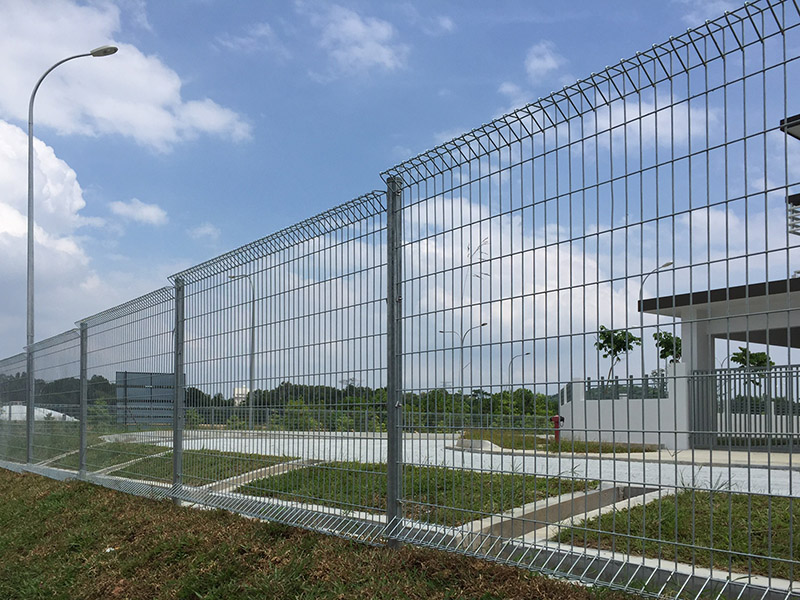
Procurement & Installation Guidance
1. Confirm local height restrictions first. Never decide height only based on security demand; non-compliance leads to demolition and extra cost.
2. Match wire diameter with fence height. Taller roll top fences require thicker wire to maintain mesh rigidity.
3. Upgrade posts and fixings for heights over 2.0m. Heavy-duty posts and anti-tamper bolts are necessary.
4. Keep consistent height for the whole perimeter. Height difference will create weak points and affect aesthetics.
5. When site terrain slopes, use stepped installation rather than cutting panels randomly.
6. Pair with matching roll top gates of identical height and mesh specification, so the whole perimeter security level remains unified.
7. For high-security sites, combine suitable height with razor wire brackets on top to further raise intrusion difficulty.
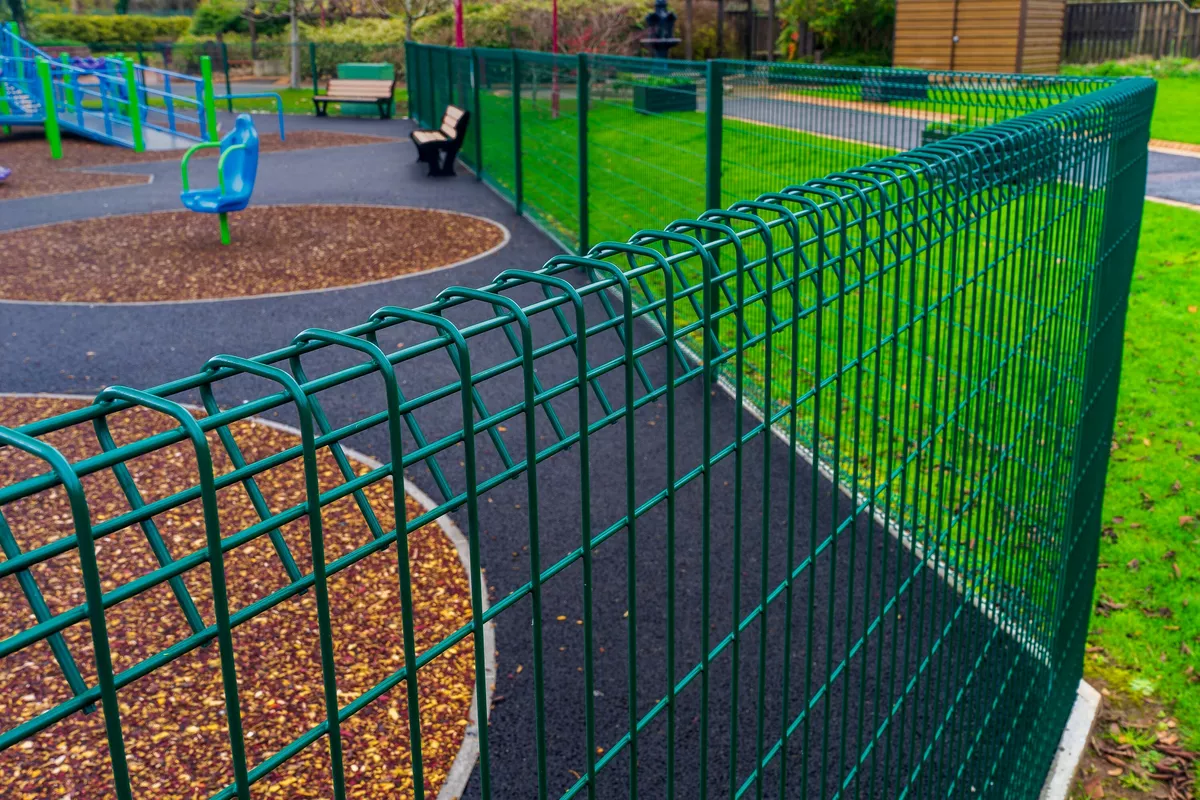
Frequently Asked Questions
Q1: What is the most popular height of roll top fences?
A1: 1.8m is the most widely adopted height of roll top fences. It balances safety, budget and installation difficulty for schools, commercial areas and general industrial boundaries.
Q2: Can I install 3.0m roll top fences directly without permission?
A2: Not always. Many regions require planning approval for fences over 2.4m. Check local municipal regulations before ordering tall roll top fences.
Q3: Is roll top fence safe for school projects?
A3: Yes. The rounded rolled top removes sharp wire ends to reduce cut injuries. Select 1.2m~1.8m height according to school safety standards, together with powder coated roll top fences.
Conclusion
When selecting height for roll top fences, you should balance security goals, local regulations, budget, wind load and site environment, instead of simply choosing the tallest option. Roll top’s rounded top provides built-in safety and anti-climb benefits, and the correct height maximises its performance while avoiding unnecessary expense and compliance risks.
Giant Fence provides full range roll top fences with customizable heights, wire gauges and coating colours. All steel components comply with UNE‑EN‑10223‑7:2013, with ISO 9223:2012 anti-corrosion options for inland and coastal projects. Matching roll top gates and accessories are available.
If you are sourcing roll top fences for school, municipal, commercial or industrial projects, contact Giant Fence. Share required fence height, site environment and total length. We can provide technical drawings, sample references and competitive bulk quotations.