



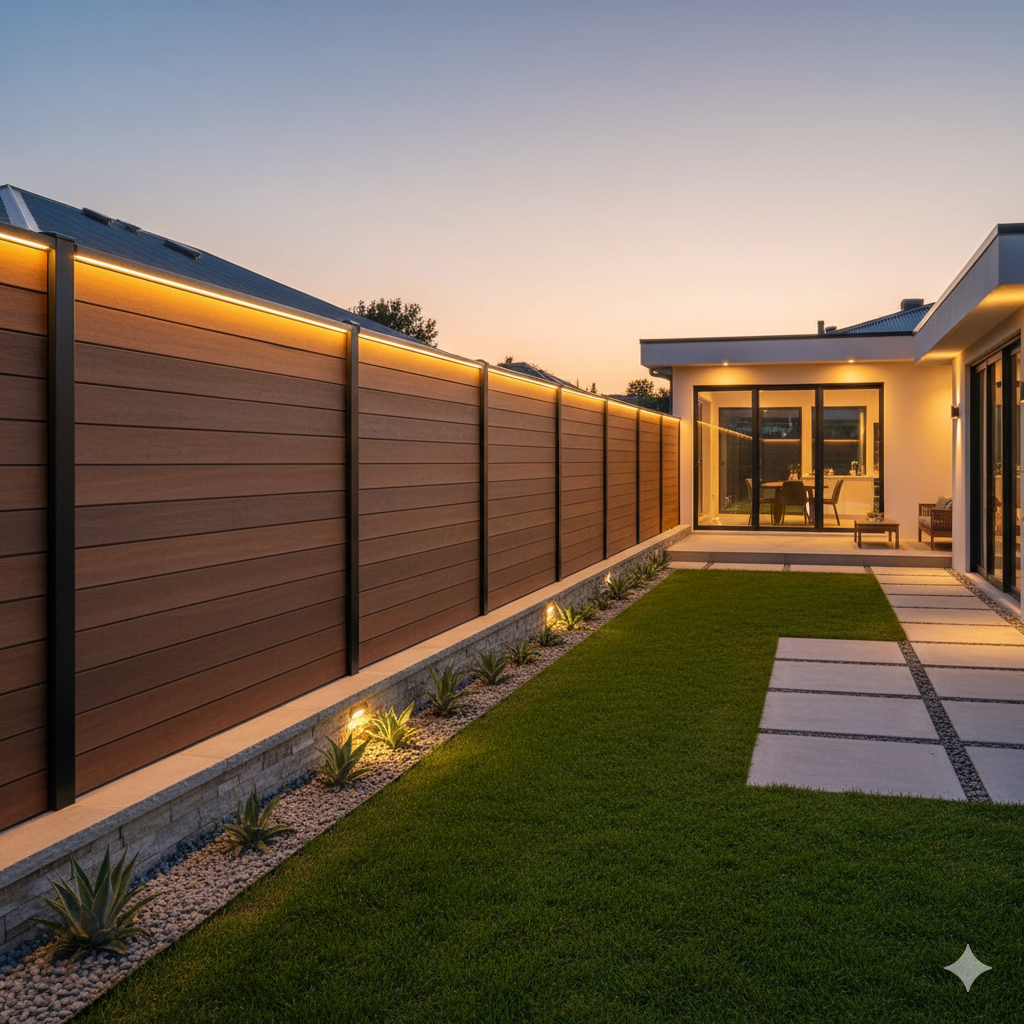
Sound Barrier Fence Residential: Engineering Quiet Living for Urban Homes
The Unseen Cost of Urban Noise
For modern homeowners, silence has become a luxury. Constant traffic, barking dogs, or loud HVAC units are no longer just annoyances — they represent real declines in comfort, focus, and even property value. Traditional wooden or vinyl fences may block sightlines but do little to stop low-frequency noise.
When people search for “sound barrier fence residential,” they’re not just looking for walls — they’re searching for a sense of calm that lasts. And achieving that requires understanding the engineering behind true acoustic barriers.
How a Fence Can Reduce Sound
Effective sound control depends on three physical principles — mass, continuity, and absorption.
A high-performance sound barrier fence must combine all three:
-
Mass: Denser materials like steel or composite panels reflect sound waves instead of letting them pass through.
-
Continuity: Any gaps, even small ones, act as sound leaks, reducing performance by up to 40%.
-
Absorption: Perforated panels or fiber-filled cores trap and dissipate acoustic energy instead of reflecting it back.
In short, noise control is not just about “blocking”—it’s about redirecting, absorbing, and sealing. Residential acoustic fences achieve this balance by using multi-layered materials that look simple but perform like engineered systems.
Comparing Traditional and Engineered Noise Barriers
| Material Type | Noise Reduction (dB) | Maintenance | Lifespan | Appearance | Notes |
|---|---|---|---|---|---|
| Wood Panels | 10–15 | High | 5–8 yrs | Natural | Poor resistance to humidity & warping |
| Vinyl Boards | 12–18 | Medium | 10–12 yrs | Smooth | Slight noise reflection, limited absorption |
| Metal Panels (Steel/Aluminum) | 20–25 | Low | 15–20 yrs | Modern | Strong sound reflection and durability |
| Composite Acoustic Panels | 25–30 | Low | 15–25 yrs | Customizable | Combines reflection and absorption layers |
While wood and vinyl serve decorative purposes, steel and composite acoustic panels deliver measurable acoustic performance. Proper installation further enhances the result — a poorly sealed fence can waste even the best materials.
Engineering a True Residential Acoustic Solution
Giant Fence’s residential sound barrier system is built from the ground up for both performance and appearance.
Each panel integrates:
-
Galvanized steel sheets for mass-based reflection.
-
Mineral wool or polymer foam core for internal sound absorption.
-
Perforated inner walls that diffuse mid- to high-frequency waves.
-
Powder-coated exterior finish providing UV and corrosion protection.
The outcome is a system that achieves up to 30 dB of noise reduction while maintaining an elegant façade suitable for urban or suburban environments.
Why Choose an Engineered Barrier Over Ordinary Fencing
-
Proven acoustic performance: Reduces traffic and neighborhood noise significantly.
-
Extended lifespan: Corrosion-resistant coatings last decades with minimal maintenance.
-
Energy and comfort gains: Lower noise improves mental wellness and outdoor usability.
-
Design integration: Custom colors, perforation styles, and post layouts blend with modern architecture.
-
Sustainability: Recyclable metal and eco-friendly coating processes minimize environmental footprint.
Noise control becomes an architectural feature rather than an afterthought.
Real-World Applications and Design Adaptation
| Environment | Key Challenge | Recommended Fence Type | Expected Reduction |
|---|---|---|---|
| Homes near highways | Continuous low-frequency noise | Steel acoustic panel system | 25–30 dB |
| Urban neighborhoods | Mixed sources (traffic, HVAC) | Composite perforated panels | 20–25 dB |
| Private gardens / patios | Speech-level noise | Decorative acoustic fencing | 15–20 dB |
| Coastal areas | Wind & salt corrosion | Duplex powder-coated steel | Long-term durability |
By customizing both height and internal filling materials, each installation can match specific acoustic and environmental demands.
Common Questions from Homeowners
Does a sound barrier fence block all noise?
No barrier can completely eliminate sound, but properly engineered designs cut perceived noise by up to 75%.
Can plants or trees replace a sound barrier?
Vegetation absorbs only 1–3 dB — effective mainly for visual separation, not acoustics.
How tall should a residential sound barrier be?
Typically 6–8 ft (1.8–2.4 m), depending on proximity to noise sources. Taller structures provide better diffraction control.
Is it suitable for coastal or humid climates?
Yes, powder-coated galvanized steel and sealed composite cores prevent rust and moisture damage.
Designing Quiet That Lasts
Noise comfort is not a luxury—it’s an engineering decision.
A well-designed sound barrier fence protects your home’s peace without compromising its aesthetics.
By combining acoustic science, durable materials, and modern design, Giant Fence offers residential solutions that turn any noisy backyard into a tranquil space.
For consultation or to request customized sound barrier options, visit Giant Fence or contact us here.