


Introduction
Fence gates are the critical access point of any perimeter fencing system. For contractors undertaking solar farms, schools, residential estates, industrial parks and public infrastructure projects, the gate cannot be treated as an afterthought. A poorly selected fence gate may lead to site access blockages, frequent breakdowns, safety risks and complaints from asset owners. Giant Fence supplies matching fence gates for all types of fencing systems. This article lists the key factors contractors need to evaluate before ordering fence gates, to help you match gates properly with fence panels and avoid on-site rework.
Gate Type Matching Project Usage Scenarios
The first decision is selecting the right gate style according to traffic type and site space. The main categories include single swing gate, double swing gate, sliding gate, cantilever sliding gate and bi-fold gate.
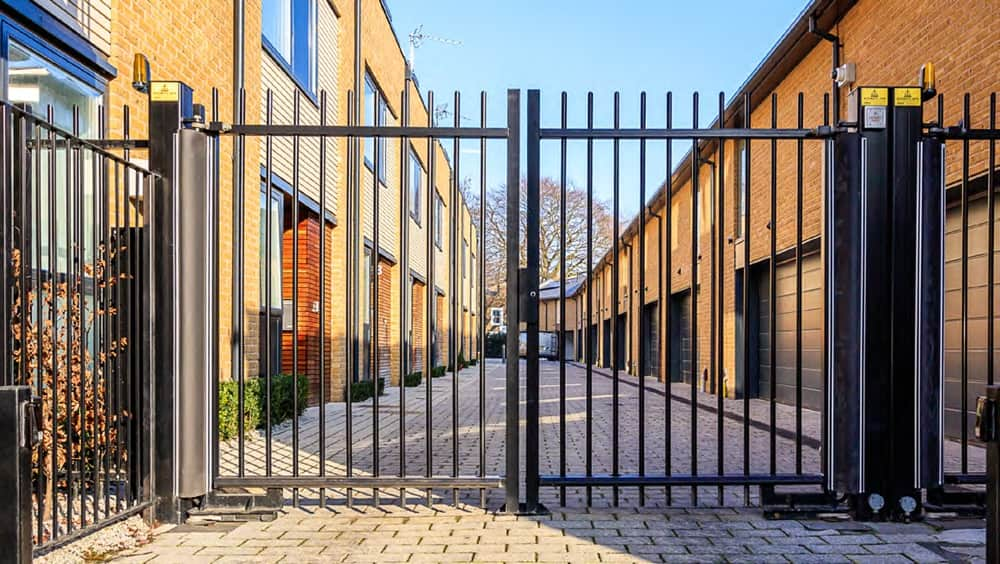
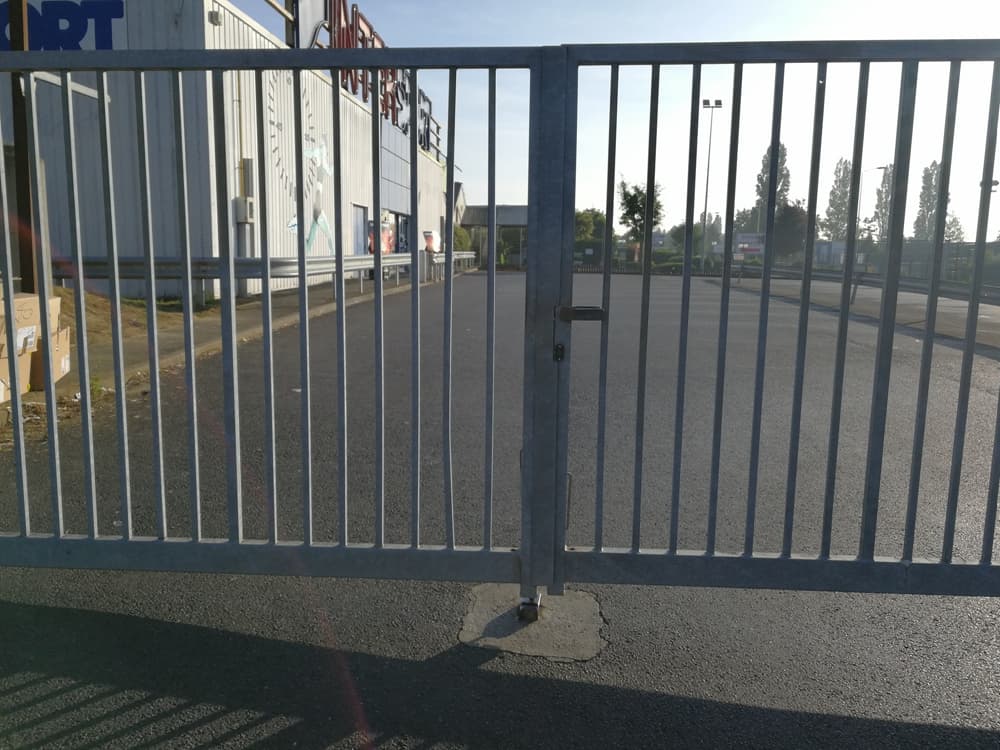
- Double swing gate: Most widely used. Suitable for pedestrian access, light vehicles and sites with enough space for gate leaf opening outwards or inwards. Easy to install and low cost for manual operation.
- Sliding gate: Rolls along a ground track. Ideal for wide vehicle passages, such as solar farm entrances and factory yards. But it requires a flat, clear ground track and regular cleaning to prevent debris jamming.
- Cantilever sliding gate: Trackless design, no ground rail. Perfect for muddy sites, sloped ground, frequent heavy truck access and locations where ground track is not allowed. It costs more but has fewer maintenance issues.
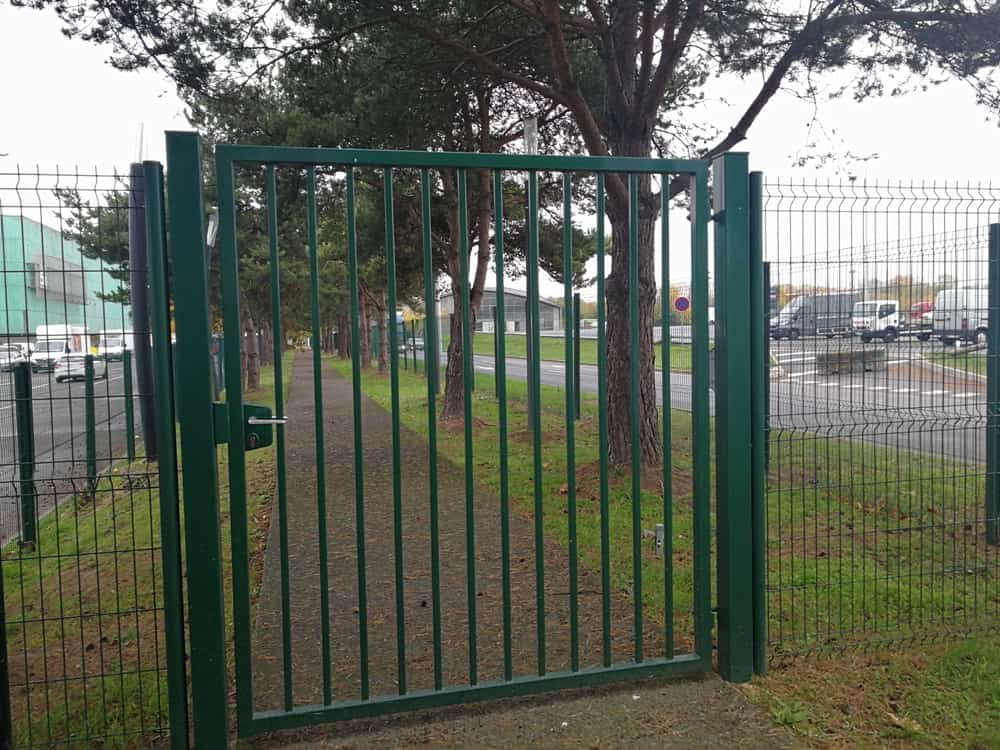
- Single swing gate: Mainly for pedestrian-only entry, small openings in community green belts or secondary access points.
Contractors must confirm whether the gate is for people, light vans or heavy trucks. Wrong gate type selection is one of the most common mistakes on site.
Consistency With Main Fence Panels
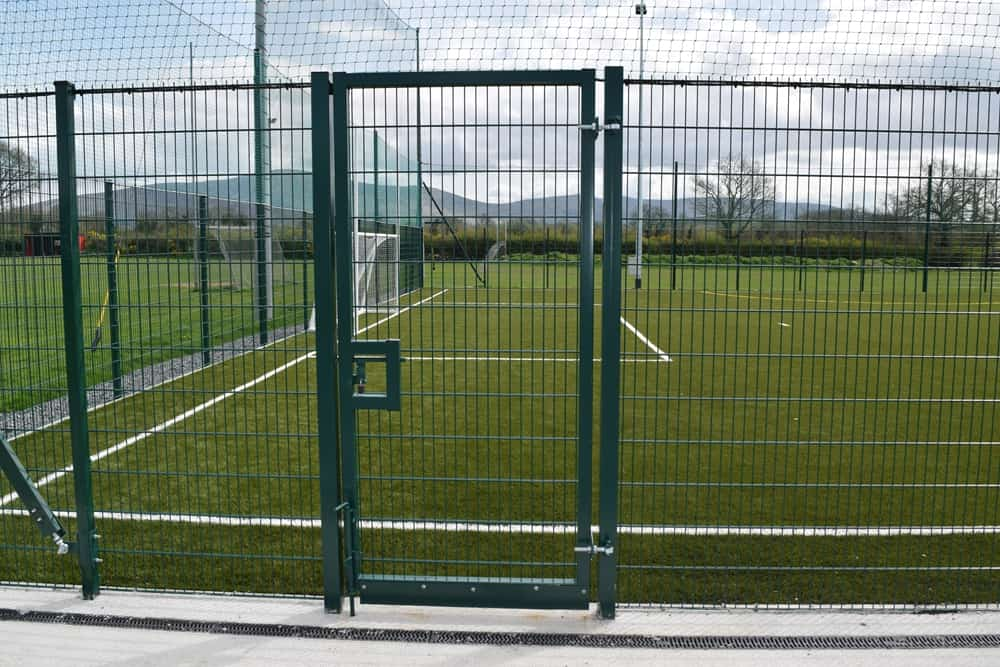
A qualified fence gate should visually and structurally match the perimeter fence. If the main fence is double wire fence, roll top fence, palisade fence or 358 anti-climb mesh, the gate infill must adopt the same mesh, pale profile, wire diameter, height and surface finish.
Mismatched colour, mesh pattern or coating will create an unprofessional appearance and may cause disputes with clients. For tender projects, the gate is normally required to be identical in specification to the fence panels for uniform aesthetics and corrosion resistance.
Clear Opening Width & Clearance Height
Do not confuse the overall outer dimension of the gate frame with the clear opening width. Contractors need to calculate the actual passage space required by vehicles, including truck mirrors, loading equipment and cleaning machines for solar projects.
For vehicle gates, extra allowance should be reserved on both sides. If the site has height limits for containers or high machinery, the gate clearance height must be checked. Pedestrian gates usually range from 1.0m to 1.2m clear width; vehicle gates commonly start from 3m, 4m, 5m up to 8m and wider for industrial and solar sites.
Frame Material, Thickness & Structural Reinforcement
Gate frame is the load-bearing core. Light-duty pedestrian gates often use 40×40mm or 50×50mm square tube frames. Heavy vehicle gates require thicker rectangular hollow sections such as 60×80mm, 80×80mm or 100×100mm with thicker wall thickness.
Wide-span gates need internal reinforcing ribs, cross braces or middle support posts to stop sagging. Many cheap fence gates use thin-walled tubing. After several months of frequent opening and closing, the gate leaf sags, hinges deform and the lock fails. This leads to costly site rectification work for contractors.
Surface Treatment & Corrosion Grade
Same as fence panels, surface options include hot-dip galvanized only, galvanized plus powder coating. For inland standard projects, galvanized + polyester powder coating is the mainstream choice. Coastal sites with salt spray need higher corrosion class (C4), thicker zinc coating and high-quality anti-UV powder to avoid early rusting and fading.
Contractors should clarify the corrosion requirement in the technical schedule, instead of accepting generic standard gates blindly. Gate frames suffer more vibration and stress than fence panels, so coating quality matters more.
Hardware Quality: Hinges, Locks, Latches & Wheels
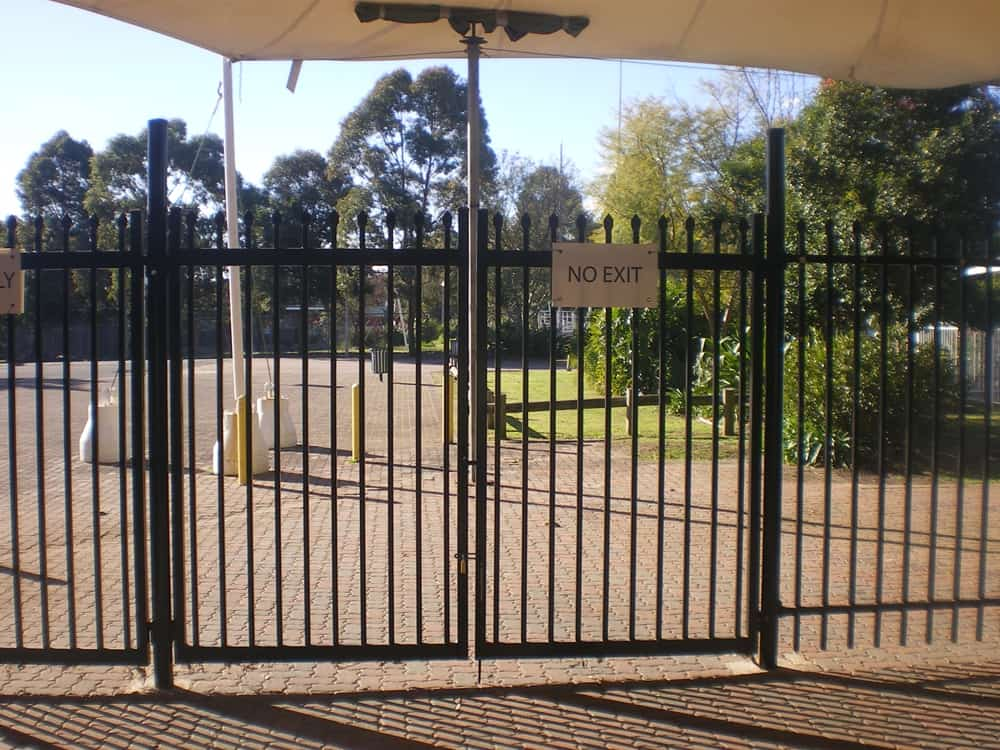
Hardware is the wearing part that decides the service life of a fence gate. Even a robust gate frame will fail quickly with poor accessories.
- Hinges: Heavy-duty galvanized or stainless steel hinges for frequent use; adjustable hinges help correct sagging later.
- Locking system: Manual key lock, drop bolt, magnetic lock, or electric lock for automated access control.
- Sliding / cantilever hardware: Guide wheels, bottom rollers, end stops and buffer devices must be matched to the gate weight.
When requesting quotations, confirm whether hardware is included. Some suppliers quote the gate frame only, with locks and hinges sold separately.
Manual or Automated Operation
Contractors need to confirm the client’s access control plan in advance. Small pedestrian gates and low-frequency secondary gates can remain manual. Main vehicle gates for solar farms, factories and logistics yards are often fitted with gate motors, remote controls, safety photocells, warning lights and access keypads.
Automated gates require extra foundation design, power cable routing and safety protection. This will affect the gate price, civil work scope and installation timeline. It must be aligned at the quotation stage.
Ground Condition & Foundation Design
Swing gates need solid concrete gate post foundations to resist twisting force. Sliding gates need a level, compacted track foundation. Cantilever gates require much larger counterweight foundations at the fixed side, because the whole gate leaf overhangs without ground support.
If the site is on sand, fill soil or slope, contractors should inform the gate manufacturer early. The foundation drawing and load requirement can be provided together with the gate supply, to avoid foundation failure after installation.
Delivery, Packing & Installation Support
Fence gates are bulky and easy to dent or twist during transit. Good suppliers use protective film, corner guards and steel frame packing. Contractors should check whether the supplier provides assembly drawings, installation manuals and technical support. For large tender projects, pre-fabricated and pre-assembled gates save plenty of site labour time.
Budget & Lead Time
Custom wide gates, cantilever gates and motorised gates have longer production lead times. Standard sizes can be produced faster. Contractors need to coordinate gate production time with the overall fence construction schedule, so that gates arrive on time together with fence panels. Rushing orders usually brings higher cost and quality risks.
Common Reference Specifications
- Gate type: single swing, double swing, sliding gate, cantilever gate
- Clear width: 1.0m / 1.2m (pedestrian), 3m, 4m, 5m, 6m, 8m (vehicle)
- Frame tube: 40×40mm, 50×50mm, 60×80mm, 80×80mm, 100×100mm
- Surface finish: hot-dip galvanized; galvanized + powder coated
- Infill: double wire mesh, roll top mesh, palisade pales, 358 mesh
FAQ
Q1: Cantilever gate or tracked sliding gate, which one is better for solar farms?
A1: Cantilever gates are preferred for solar farms. No ground track means no blockage by sand, weeds or construction debris, which reduces maintenance on remote sites.
Q2: Why do some swing gates sag after installation?
A2: The main reasons are thin frame tubing, insufficient internal reinforcement, weak gate post foundation or low-quality hinges. Wider swing gates are more prone to sagging.
Q3: Should the gate be the same height as the fence?
A3: For perimeter security projects, the gate height normally matches the fence height. Specialised vehicle access gates may have higher clearance if required by oversize trucks.
Q4: Can I buy the gate separately from a different supplier than the fence panels?
A4: It is possible but not recommended. Mismatched mesh, coating and fixing details often cause fitting problems and visual inconsistency. Sourcing fence and gates from one supplier brings better coordination and after-sales support.
Conclusion
Selecting a suitable fence gate involves gate type, clear opening, frame structure, matching infill, hardware, corrosion treatment, ground foundation and automation requirements. Contractors should avoid judging gates only by price. A well-specified gate reduces installation trouble, callback work and client complaints throughout the project lifecycle.
Giant Fence supplies full-range fence gates matched with palisade, double wire, roll top and 358 fencing. We can offer fabrication drawings, foundation data and optional automation packages for contractors and EPC teams. Contact us for your fence gate quotation and technical datasheet.