


When choosing a perimeter fence, buyers usually look for three things: reliable protection, reasonable cost, and easy installation. Finding a solution that balances all three is not always easy.
This is one reason Chain Link Fence remains a popular option worldwide.
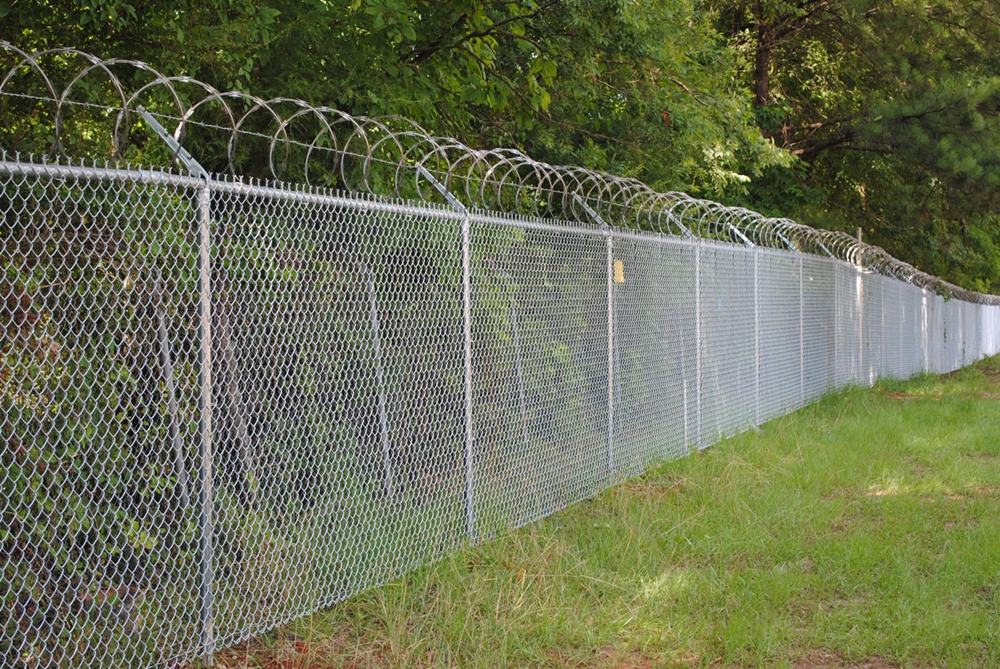
With its woven wire structure, flexible installation, and relatively simple maintenance, chain link fencing is widely used around residential properties, warehouses, sports facilities, construction sites, and industrial areas.
But what makes it such a practical choice? And how should buyers select the right specifications for their projects?
Let's take a closer look.
1. What Is a Chain Link Fence?
A Chain Link Fence is made by weaving steel wires together to create a continuous mesh with diamond-shaped openings.
Unlike welded wire panels, the wires are interwoven rather than welded at every intersection. This gives the mesh a degree of flexibility while maintaining its function as a physical boundary.
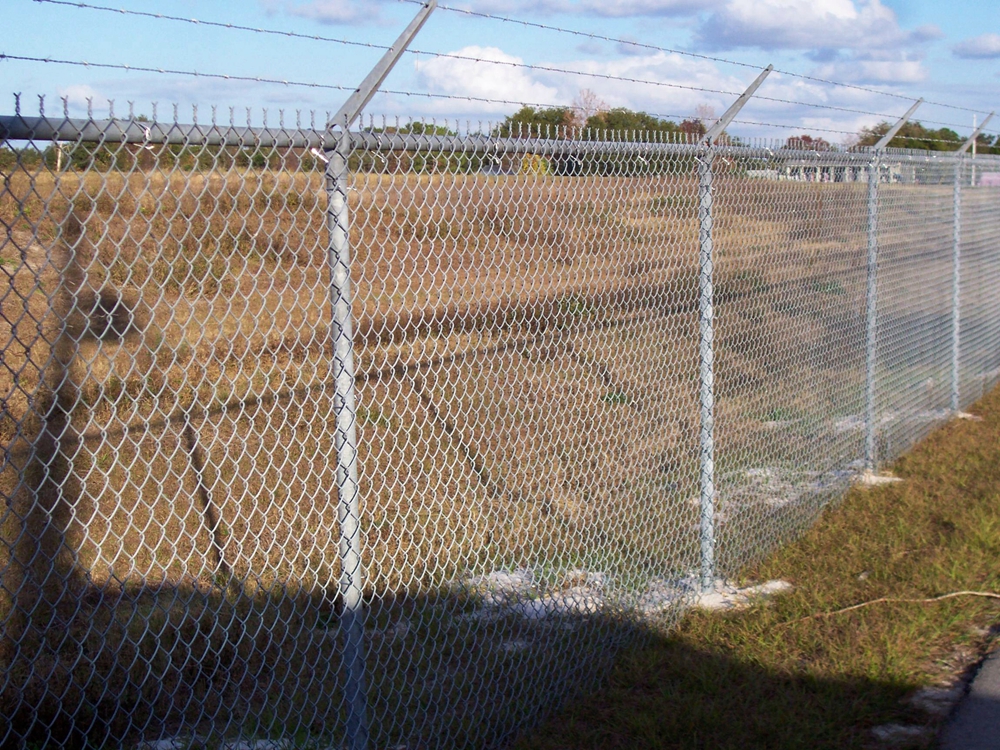
A typical chain link fence system includes:
Chain link mesh: The woven wire fabric forming the main barrier.
Fence posts: Support the mesh along the perimeter.
Top rails and tension wires: Help maintain alignment and tension where required.
Tension bars and fittings: Secure the mesh to terminal posts.
Protective coating: Helps protect the steel wire against corrosion.
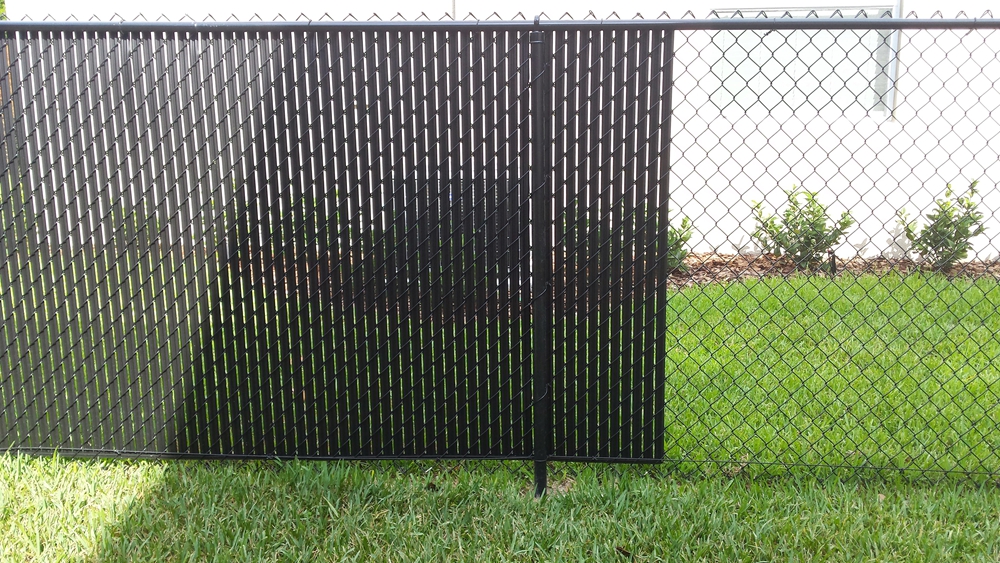
Chain link mesh is commonly available in galvanized and PVC-coated finishes, with different wire diameters and mesh openings to suit different applications.
2. Why Is Chain Link Fence So Popular?
2.1 Cost-Effective Perimeter Protection
One of the biggest advantages of chain link fencing is its practical balance between cost and functionality.
Its woven structure uses steel wire efficiently, making it a suitable option for projects requiring long fence lines or large quantities.
For distributors and contractors, this can be particularly useful when comparing total material and installation costs across different fencing systems.
2.2 Flexible Installation
Chain link mesh is supplied in rolls, making it easier to transport and adapt to different site layouts.
It can be installed along straight boundaries, around corners, and on certain uneven ground conditions with appropriate tensioning and support arrangements.
This flexibility makes it useful for projects where rigid panel systems may require more adjustments.
2.3 Good Visibility and Airflow
The diamond-shaped openings allow people to see through the fence while maintaining a clear physical boundary.
Unlike solid fencing, chain link mesh does not completely block airflow or visibility.
This is useful for sports courts, industrial facilities, warehouses, and other locations where monitoring the surrounding area matters.
2.4 Practical Maintenance
Chain link fencing has a relatively simple structure. If a section becomes damaged, the affected mesh can often be repaired or replaced without removing the entire fence line.
The actual maintenance requirements depend on the coating system, environmental exposure, and installation quality.
3. How to Choose the Right Chain Link Fence Specifications
Not all chain link fences are the same. Wire diameter, mesh opening, height, and coating all influence the final product.
3.1 Wire Diameter
Wire diameter affects mesh strength, weight, and material consumption.
Thicker wire generally provides greater resistance to deformation under comparable conditions, but it also increases material usage and cost.
The correct diameter depends on the application and required performance.
3.2 Mesh Opening
Mesh opening refers to the size of the diamond-shaped openings.
Common configurations vary by market and application. Smaller openings create a denser mesh, while larger openings provide a more open appearance and may reduce material consumption.
Buyers should confirm whether the quoted opening is measured between wire centres or refers to the clear opening.
3.3 Fence Height
Chain link fence rolls and completed systems are available in different heights.
Lower configurations may suit gardens and residential boundaries, while taller installations may be required for industrial sites, sports facilities, or restricted-access areas.
The final height should reflect the project's security requirements and local regulations.
3.4 Surface Treatment
Common chain link fence finishes include:
|
Finish |
Main Characteristics |
Typical Applications |
|
Galvanized Wire |
Zinc-based corrosion protection |
General outdoor fencing |
|
PVC Coated Wire |
Polymer coating with additional colour options |
Residential and recreational areas |
The appropriate finish depends on environmental exposure, coating specifications, and project requirements.

4. Knuckle vs. Twist: Which Chain Link Edge Should You Choose?
Another detail worth considering is the edge finish of the chain link mesh.
Knuckle Finish
In a knuckle finish, the wire ends are bent back into a closed shape.
It creates a relatively smooth edge and is commonly selected for residential, recreational, and general perimeter applications where exposed sharp ends are undesirable.
Twist Finish
In a twist finish, the wire ends are twisted together to create pointed ends.
This provides a more aggressive edge configuration and may be considered for applications requiring additional deterrence.
|
Feature |
Knuckle |
Twist |
|
Edge appearance |
Bent and closed |
Twisted and pointed |
|
Contact safety |
Smoother finish |
Sharper exposed ends |
|
Common applications |
Residential and general fencing |
Selected security applications |
|
Main consideration |
Safer edge finish |
Additional deterrent effect |
The choice should depend on site requirements, safety considerations, and local regulations.
5. Applications of Chain Link Fence
Chain link fencing is used across a wide range of sectors because of its adaptable structure and practical installation.
Residential Properties: Gardens, backyards, and property boundaries.
Industrial Facilities: Warehouses, factories, and storage areas.
Sports Facilities: Tennis courts, football grounds, and recreational areas.
Construction Sites: Temporary or permanent perimeter separation.
Agricultural Properties: Livestock areas and farm boundaries.
Infrastructure Projects: Selected road, utility, and facility boundaries.
For high-security locations, additional measures such as anti-climb toppings, access-control gates, or a different fencing system may be required.
6. Buying Guide for Distributors and Contractors
When purchasing chain link fence in bulk, comparing prices alone is not enough.
Before requesting a quotation, confirm the following:
|
Item |
What to Confirm |
|
Mesh opening |
Diamond size and measurement method |
|
Wire diameter |
Required steel wire diameter |
|
Fence height |
Finished roll height |
|
Roll length |
Required length per roll |
|
Edge finish |
Knuckle or twist |
|
Material |
Steel wire specifications |
|
Surface treatment |
Galvanized or PVC coated |
|
Posts and accessories |
Complete installation requirements |
|
Packaging |
Roll protection and loading arrangement |
|
Quantity |
Total area or perimeter length |
For large projects, also provide corner locations, gate positions, ground conditions, and installation drawings where available.
A complete specification helps suppliers prepare accurate quotations and reduces misunderstandings during production and delivery.
7. Why Choose Giant Fence?
Hebei Giant Metal Technology Co., Ltd. (Giant Fence) is an integrated metal fencing manufacturer and exporter, supplying fencing products and related solutions to international markets.
With experience in metal fencing and wire mesh manufacturing, Giant Fence supports different requirements for residential, commercial, industrial, and construction applications.
For chain link fence projects, buyers can discuss:
Different mesh openings and wire diameters.
Galvanized and PVC-coated options.
Knuckle and twist edge configurations.
Customized roll dimensions.
Matching posts, gates, and installation accessories.
Bulk production and export packaging requirements.
Our approach is to understand the project first, confirm the technical specifications, and then discuss a suitable fencing solution based on the customer's actual needs.
8. Frequently Asked Questions About Chain Link Fence
Q1: Is chain link fence suitable for security applications?
Yes. It provides practical perimeter protection for many residential, commercial, and industrial sites. Higher-security applications may require additional security features or a more specialized fencing system.
Q2: What is the difference between galvanized and PVC coated chain link fence?
Galvanized chain link fence uses a zinc coating to protect the steel wire. PVC-coated mesh adds a polymer layer, providing additional surface protection and colour options.
Q3: Which is better, knuckle or twist chain link fence?
Knuckle provides a smoother edge, while twist creates pointed wire ends. The choice depends on safety requirements and the intended application.
Q4: Can chain link fence be installed on uneven ground?
Yes. Its flexible mesh structure can accommodate certain changes in ground level. However, proper post positioning and mesh tensioning are essential.
Q5: Can chain link fence be customized?
Yes. Mesh opening, wire diameter, height, roll length, edge finish, and surface treatment can be discussed according to manufacturing capabilities and project requirements.
9. Conclusion
Chain Link Fence remains a popular perimeter fencing solution because it offers a practical combination of affordability, flexibility, visibility, and straightforward installation.
From residential boundaries to industrial facilities and sports grounds, its adaptable structure makes it suitable for many different applications.
However, choosing the right product still requires attention to wire diameter, mesh opening, edge finish, surface treatment, and supporting accessories.
Looking for Chain Link Fence for your next project? Contact Giant Fence with your required specifications, estimated quantities, and project drawings. Our team can help review your requirements and discuss a suitable fencing solution.