


Railways, highways, power facilities, and other infrastructure projects often cover large areas. Protecting these sites requires more than simply installing a boundary fence. The fencing system must be strong, durable, practical to install, and suitable for long-term outdoor exposure.
This is one reason Double Wire Fence is widely considered for infrastructure and industrial perimeter applications.
Its distinctive twin horizontal wire structure provides additional panel rigidity compared with conventional single-wire welded mesh fencing. Combined with suitable posts and corrosion protection, it offers a practical solution for projects where consistent perimeter protection matters.
So, what makes double wire fencing suitable for railway and infrastructure projects? Let's look at its structure, performance, applications, and purchasing considerations.
1. What Is Double Wire Fence?
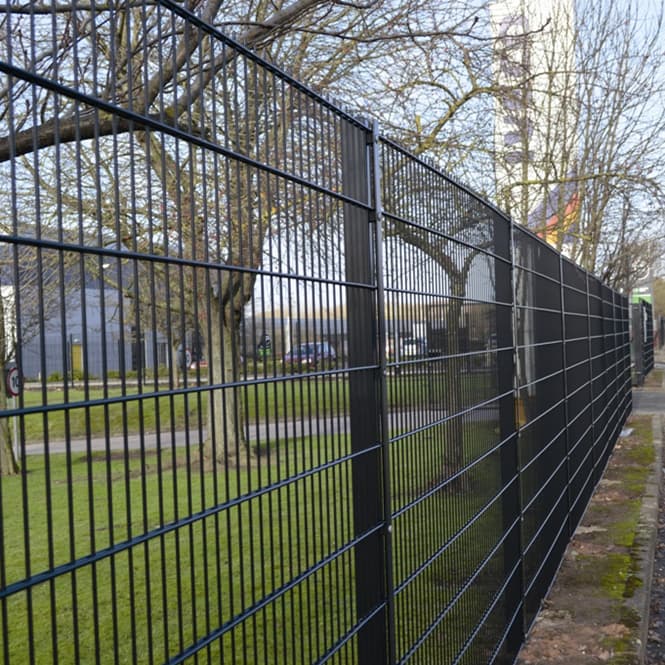
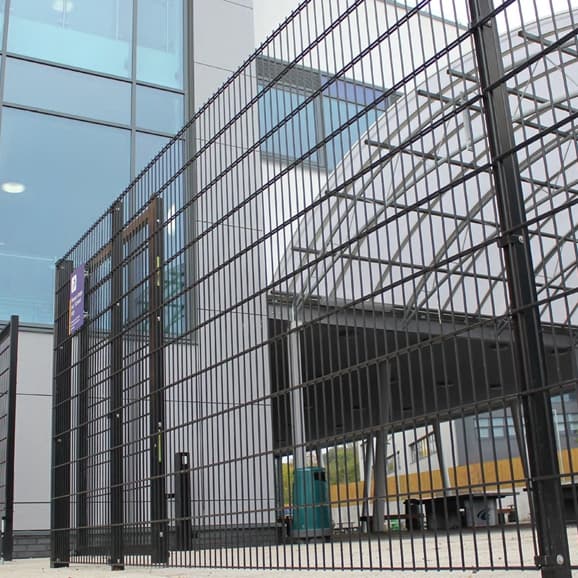
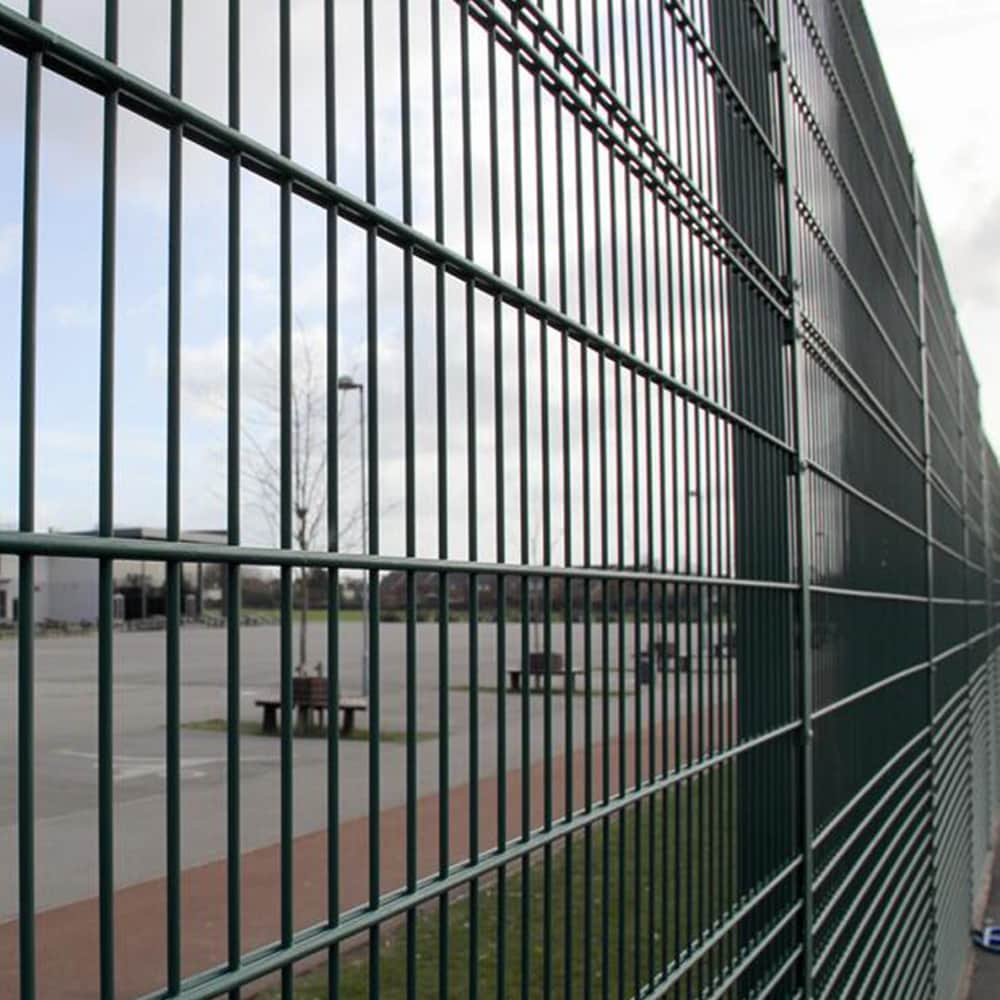
Double Wire Fence is a welded mesh fencing system that uses two horizontal wires on each horizontal line, connected by a single vertical wire.
Common configurations include:
656 Double Wire Fence: Typically uses 6 mm horizontal wires and 5 mm vertical wires.
868 Double Wire Fence: Typically uses 8 mm horizontal wires and 6 mm vertical wires.
These designations describe common wire diameter configurations, but the actual specifications should always be confirmed with the supplier.
A complete double wire fence system generally consists of:
Welded mesh panels.
Supporting steel posts.
Fixing brackets and fasteners.
Galvanized or coated steel surfaces.
The twin horizontal wires create a rigid panel structure, making this type of fence suitable for many commercial, industrial, and infrastructure projects.

2. Why Is Double Wire Fence Suitable for Railway and Infrastructure Projects?
2.1 Greater Panel Rigidity
One of the main advantages of double wire fencing is its structural design.
The two horizontal wires provide additional rigidity to the welded mesh panel, helping it maintain its shape under normal service conditions.
For railway boundaries, highway facilities, and industrial sites, this can be useful where long fence lines require consistent panel performance.
However, the actual strength depends on wire diameter, mesh opening, welding quality, post design, and installation.
2.2 Suitable for Large Perimeter Areas
Infrastructure projects often involve long boundaries and large quantities of fencing.
Double wire panels are manufactured in standardized configurations, making them practical for bulk procurement and repeated installation.
For contractors and EPC companies, consistent panel dimensions and compatible accessories can also simplify installation planning and replacement.
2.3 Visibility and Boundary Control
Unlike solid barriers, welded mesh fencing allows visibility through the panels.
This makes it useful for sites where operators need to maintain visual awareness of the surrounding area while establishing a physical boundary.
For railway applications, visibility requirements should also be considered alongside operational safety, signaling, and site-specific regulations.
2.4 Compatibility with Different Site Requirements
Double wire fencing can be configured with different panel heights, mesh openings, post arrangements, and surface treatments.
This flexibility allows buyers to select a configuration according to the site layout and required level of protection.
For locations requiring stronger anti-climb protection or additional security features, a different fencing system may be more appropriate.
3. What Technical Specifications Should Buyers Consider?
Choosing the correct specifications is essential for infrastructure projects, especially when large quantities are involved.
| Specification | Key Considerations |
|---|---|
| Wire diameter | Common 656 or 868 configurations |
| Mesh opening | Confirm required width and height |
| Panel dimensions | Match the project drawings |
| Post dimensions | Consider height, section, and wall thickness |
| Surface treatment | Confirm galvanizing and coating requirements |
| Fixing system | Ensure compatibility with panels and posts |
| Accessories | Check brackets, bolts, and security fittings |
3.1 Wire Diameter and Mesh Opening
Wire diameter affects material consumption and panel rigidity. Mesh opening influences visibility and the physical barrier configuration.
For example, 868 double wire fence uses thicker horizontal wires than the common 656 configuration.
However, a thicker wire does not automatically mean the complete fence system meets every project requirement. Post spacing, welding quality, and fixing details must also be considered.
3.2 Surface Treatment and Corrosion Protection
Railway and infrastructure fences are often exposed to rain, humidity, industrial pollution, and changing weather conditions.
Common protection options include:
Galvanized steel: Provides zinc-based corrosion protection.
Powder coating: Adds a coloured protective finish.
The appropriate system depends on environmental exposure and project specifications.
Buyers should confirm zinc coating weight, coating thickness, relevant testing methods, and acceptance requirements rather than comparing products by appearance alone.
ISO 9223:2012 provides guidance on atmospheric corrosivity classification, while ISO 12944-2 addresses environmental corrosivity categories for protective paint systems. These standards should be applied within their respective scopes, not treated as automatic product certifications for double wire fence.
4. How Does Double Wire Fence Compare with Other Fence Types?
Different infrastructure projects require different levels of protection. Double wire fence is not necessarily the best choice for every site.
| Fence Type | Main Characteristics | Typical Applications |
|---|---|---|
| 3D Fence | Folded welded mesh panels | General commercial and residential boundaries |
| Double Wire Fence | Twin horizontal wires and rigid panels | Infrastructure and industrial perimeters |
| 358 Security Fence | Very small anti-climb mesh openings | High-security facilities |
| Palisade Fence | Vertical steel pales | Industrial and security boundaries |
| Chain Link Fence | Flexible woven mesh | General boundaries and sports facilities |
Double wire fencing is a practical middle ground for projects requiring stronger mesh panels than conventional light-duty welded fencing.
For railway areas with specific anti-climb or restricted-access requirements, engineers should evaluate whether 358 security fencing or another approved system is more suitable.
5. Applications of Double Wire Fence
Double wire fencing can be considered for a variety of infrastructure and industrial environments.
Railway Perimeters: Helps define railway boundaries and restrict unauthorized access in suitable areas.
Highways and Road Infrastructure: Provides boundary protection around roads, maintenance facilities, and related infrastructure.
Power Stations and Substations: Helps establish controlled perimeters around operational facilities.
Industrial Facilities: Suitable for warehouses, factories, and equipment areas.
Public Infrastructure: Can be used around utility facilities and other sites requiring durable perimeter fencing.
Each application should be evaluated according to its security level, environmental conditions, and local regulations.
6. Buying Guide for Distributors and Contractors
When purchasing double wire fence for a large infrastructure project, comparing unit prices is only part of the process.
Here are six points worth confirming before requesting a final quotation:
1. Project drawings: Confirm fence height, total length, post spacing, and ground conditions.
2. Wire specifications: Check horizontal and vertical wire diameters and mesh opening.
3. Surface treatment: Specify galvanizing requirements, coating thickness, and final colour if powder coating is required.
4. Post and fixing system: Confirm post dimensions, installation method, brackets, and fasteners.
5. Technical documentation: Request drawings, datasheets, material information, and relevant inspection reports.
6. Packaging and delivery: Check loading arrangements, production lead time, order quantities, and shipping requirements.
For large projects, confirming these details before production can help avoid specification differences, installation delays, and unexpected costs.
7. Why Choose Giant Fence?
Hebei Giant Metal Products Technology Co., Ltd. (Giant Fence) is an integrated metal fencing manufacturer and exporter, supplying fencing products and related solutions to international markets.
Our manufacturing capabilities include welded wire mesh production, fence panel processing, and surface treatment.
For double wire fence projects, buyers can discuss:
656 and 868 configurations.
Customized panel dimensions and mesh openings.
Different post and fixing arrangements.
Galvanizing and powder coating options.
Bulk production and export packaging.
With clear technical requirements and project drawings, our team can help review the requested specifications and discuss a suitable fencing solution.
8. Frequently Asked Questions About Double Wire Fence
Q1: What is the difference between 656 and 868 double wire fence?
The common 656 configuration uses 6 mm horizontal wires and 5 mm vertical wires, while 868 uses 8 mm horizontal wires and 6 mm vertical wires. The latter has thicker wires, but overall performance also depends on the complete fence design.
Q2: Is double wire fence suitable for railway projects?
Yes. It can be used for railway boundary protection where the project specifications and required security level permit its use. Special railway safety and access-control requirements must be checked separately.
Q3: Is double wire fence difficult to install?
Its standardized welded panels and compatible post systems make installation relatively straightforward. Proper foundation preparation, post alignment, and secure fixing remain essential.
Q4: Can double wire fence be customized?
Yes. Panel dimensions, wire specifications, mesh openings, post configurations, and surface treatments can be discussed according to manufacturing capabilities and project requirements.
Q5: Which surface treatment is suitable for outdoor infrastructure fencing?
Galvanizing and powder coating are common options. The final choice should depend on environmental exposure and the project's corrosion protection requirements.
9. Conclusion
Double Wire Fence is a practical option for railway and infrastructure projects that require rigid welded mesh panels, clear boundary definition, and reliable outdoor performance.
Its twin horizontal wire structure provides additional panel rigidity, while different wire configurations and surface treatments allow buyers to match the system to their project requirements.
However, selecting the right fence involves more than choosing 656 or 868 panels. Posts, fixing accessories, corrosion protection, installation conditions, and project-specific security requirements all matter.
Looking for Double Wire Fence for a railway or infrastructure project? Contact Giant Fence with your drawings, specifications, and estimated quantities. Our team can help review your requirements and discuss a suitable solution.