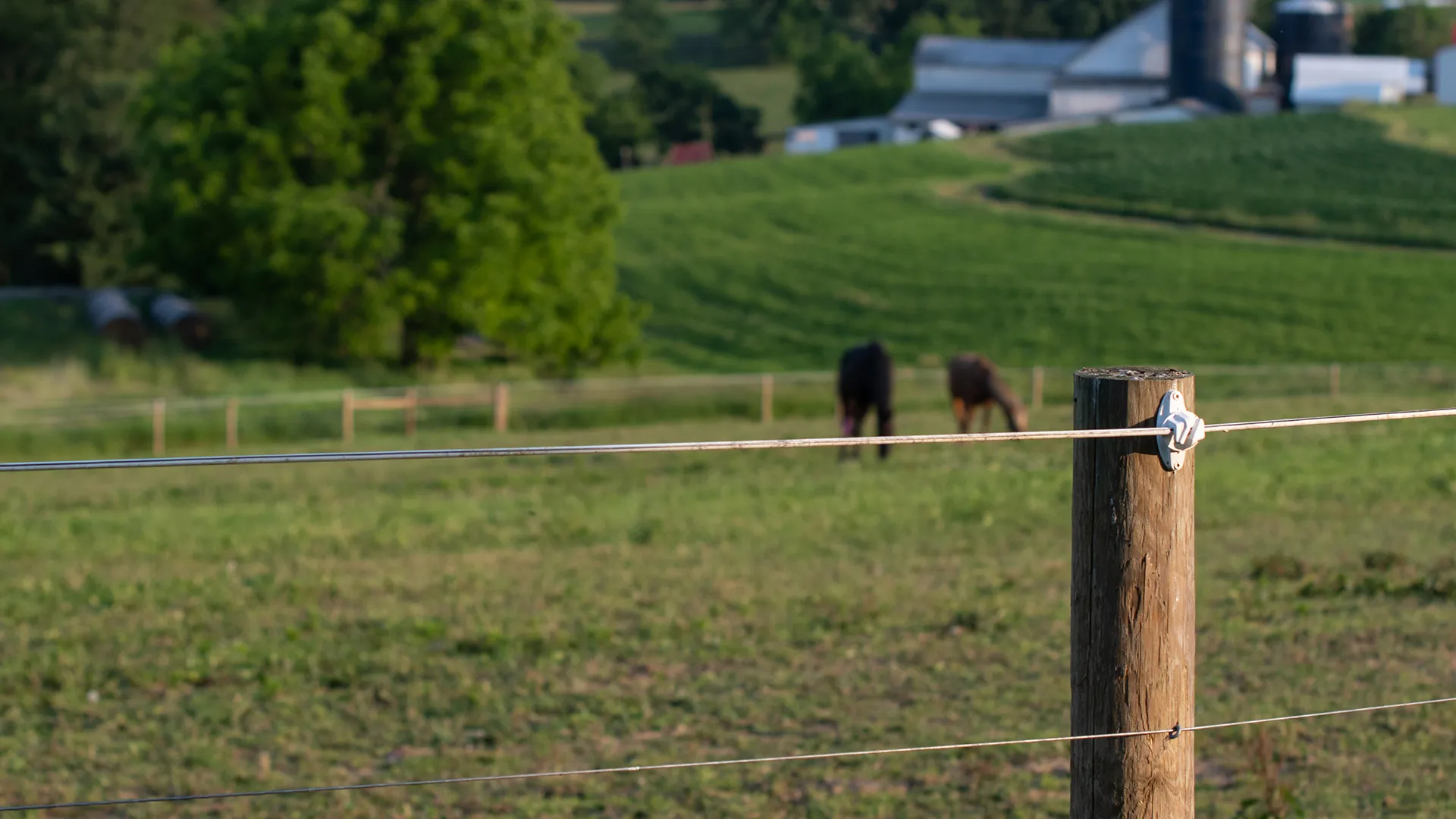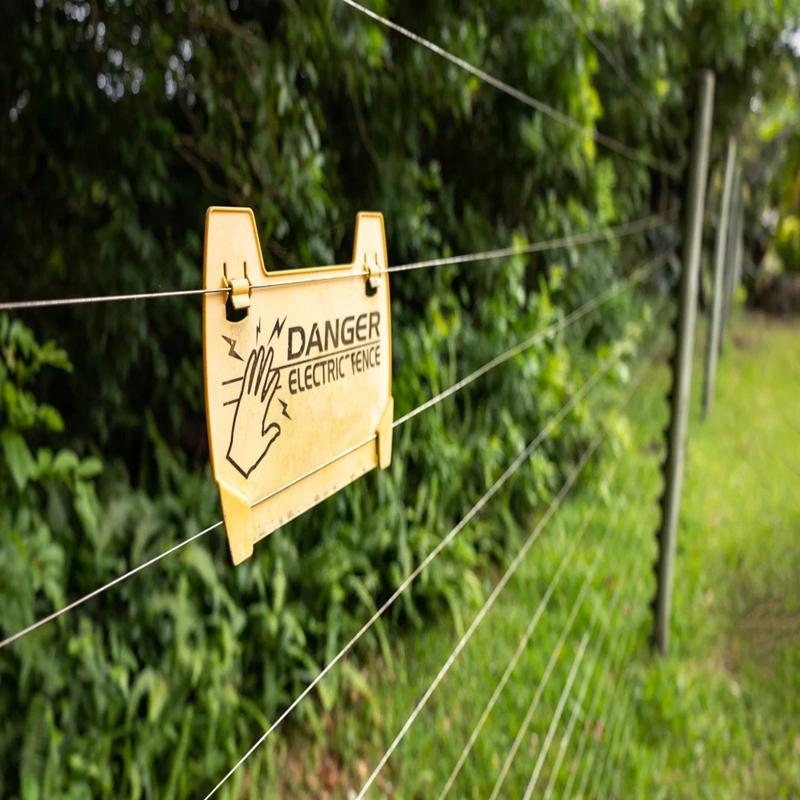




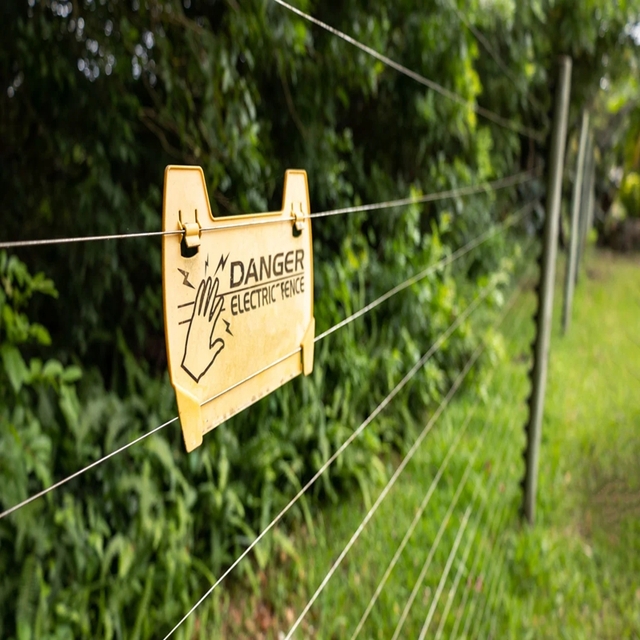
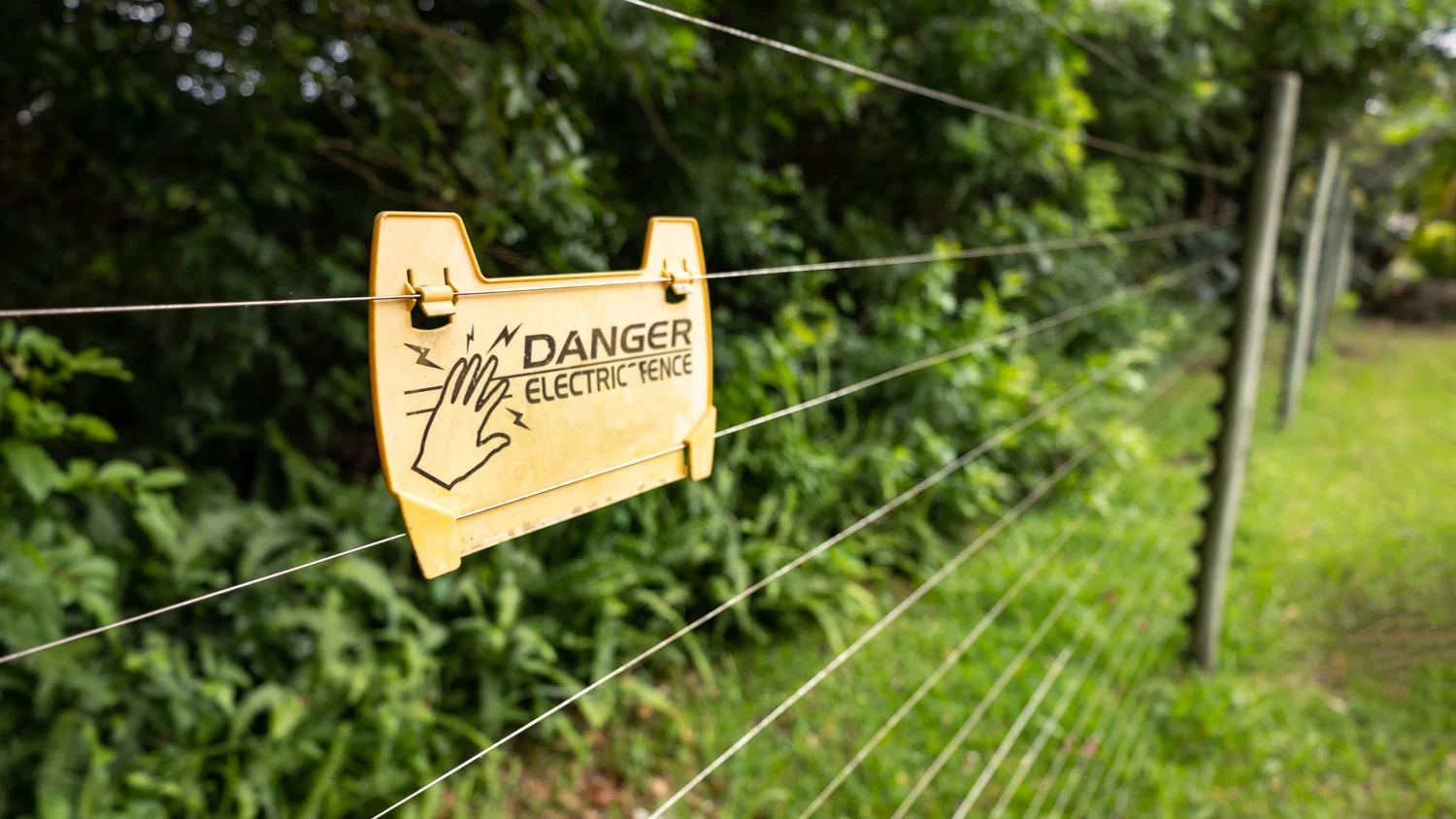
Electric fences represent a barrier that uses electric shocks to deter animals or people from crossing a boundary. Designed to be non-lethal, the fences serve diverse functions across various sectors, including agricultural, industrial, and security applications. Electric fences are engineered to deliver an electric shock when touched, creating a psychological barrier in conjunction with a physical one.
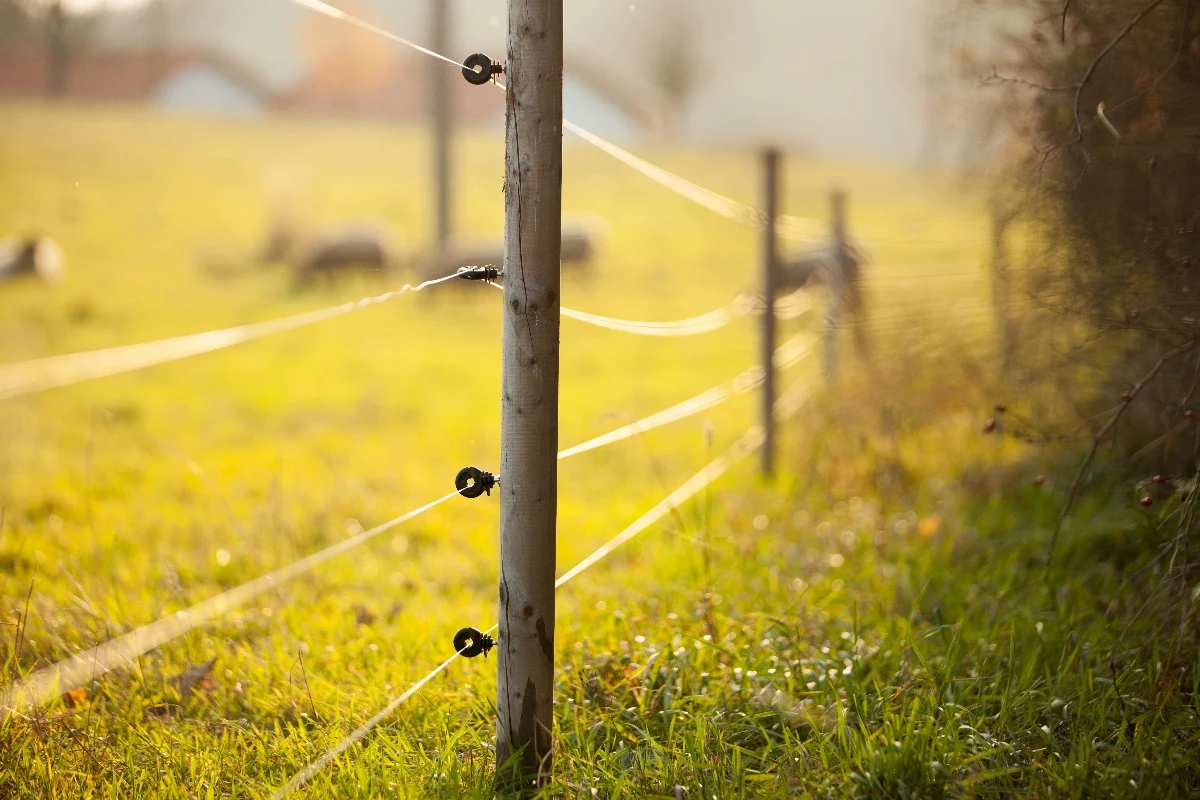
These structures must bear the mechanical load of the fence and resist various environmental factors such as wind, rain, and potential impacts. The selection of materials for fence poles not only influences the durability and maintenance of the fence but also its performance in terms of conductivity and safety. Given that fence poles are exposed to constant environmental stressors, the choice of materials is paramount in ensuring the longevity and efficacy of the entire electric fencing system.
Key Components
Conductors
These are usually wires, tapes, or ropes that carry the electric charge along the fence. Materials like steel and aluminum are common, each with their unique advantages and challenges.
Insulators
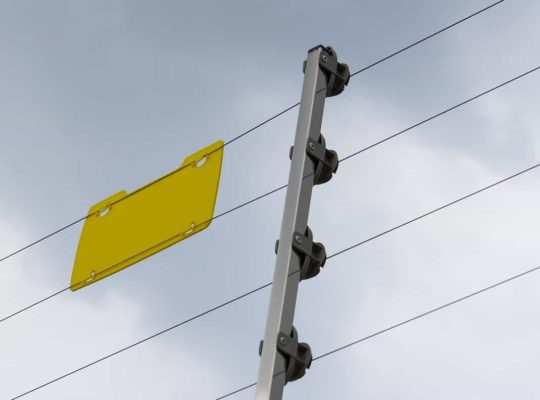
Often made from plastic or ceramic materials, insulators are crucial in maintaining the efficacy of the fence by preventing the electrical charges from grounding in undesirable locations, ensuring that the shock is delivered only upon direct contact with the fence.
Ideal Material Properties for Electric Fences
Let’s dive into some of the properties that you should incorporate into your project when choosing the right material for your electric fence.
Conductivity
Conductivity refers to a material's capability to transmit electric current. For electric fence systems, optimal conductivity is pivotal to ensure that a potent and deterring electric shock is delivered upon contact. Material choices for conductors, such as aluminum, steel, or copper, bring diverse conductive properties to consider.
Engineers must navigate through these options, weighing the conductivity against other properties like cost, durability, and ease of installation to identify the most suitable conductor material for specific fence applications.
Durability and Strength
Durability and strength are critical parameters in ensuring that the electric fence system can withstand physical stresses over time, including impacts, weather events, and persistent mechanical loads (such as tension in the wires). Fence poles, especially, must be crafted from materials that balance sturdiness with flexibility to resist snapping or bending, thereby maintaining the structural integrity of the fence system over its intended lifespan.